Product Data
Native Forest Regeneration
Australian Carbon Credit Unit (ACCU)
Australian Government Emissions Reductions Fund
Human-Induced Regeneration of a Permanent Even-Aged Native Forest - 1.1
Multiple project IDs. Available on request or provided at retirement
2025
8: Decent Work and Economic Growth
13: Climate Action
15: Life on Land
Project Details
Why we support this project
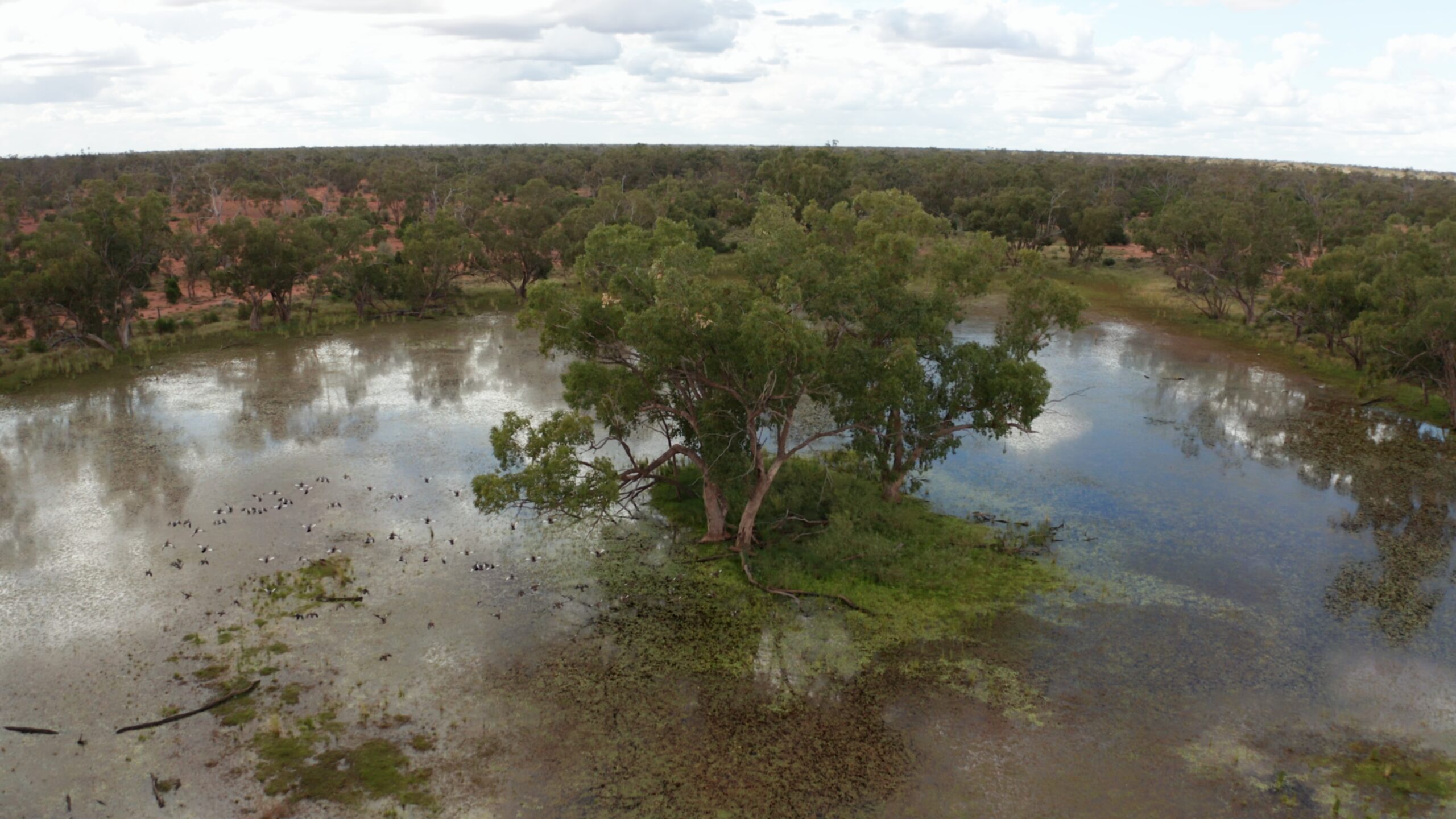
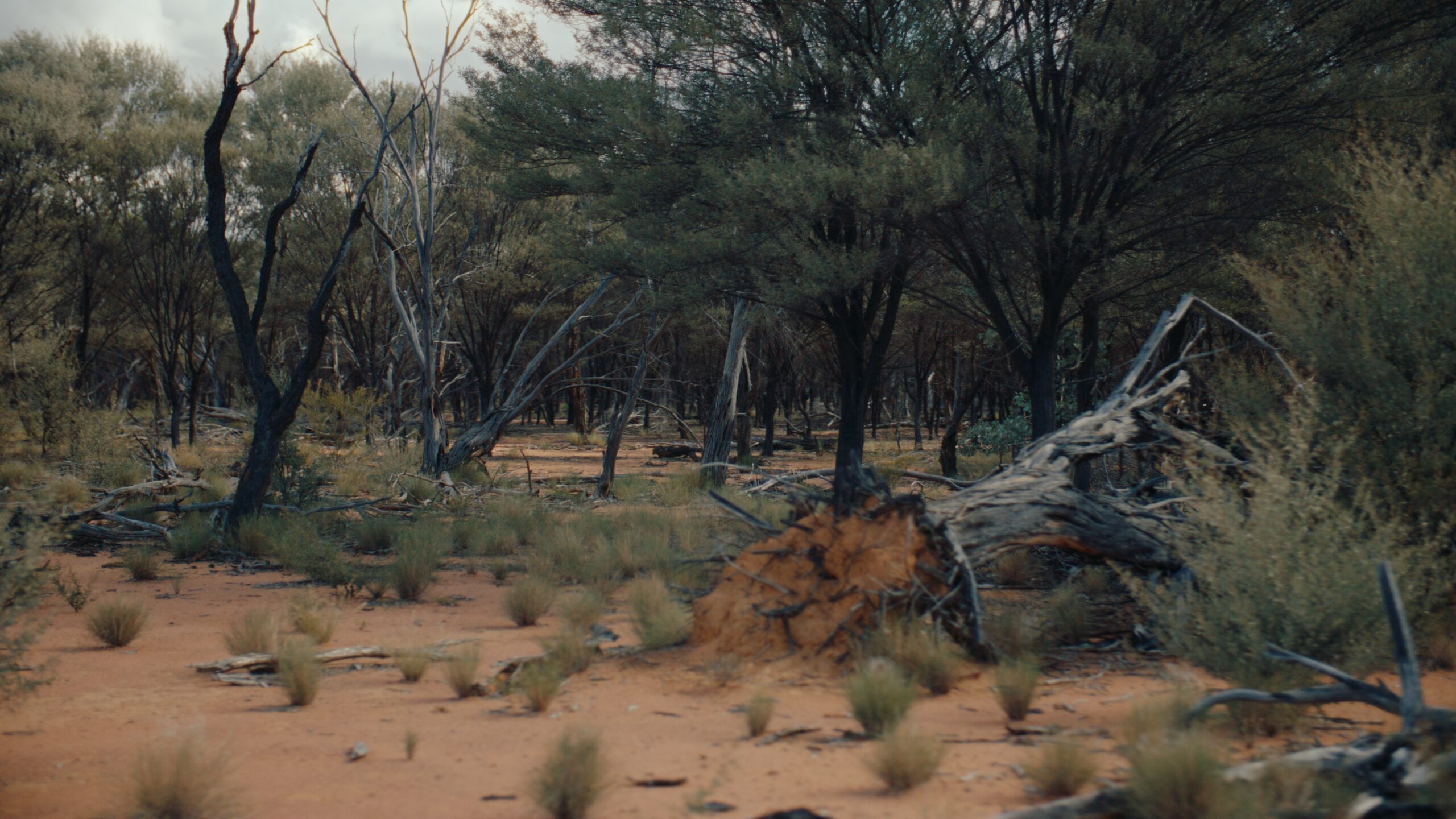
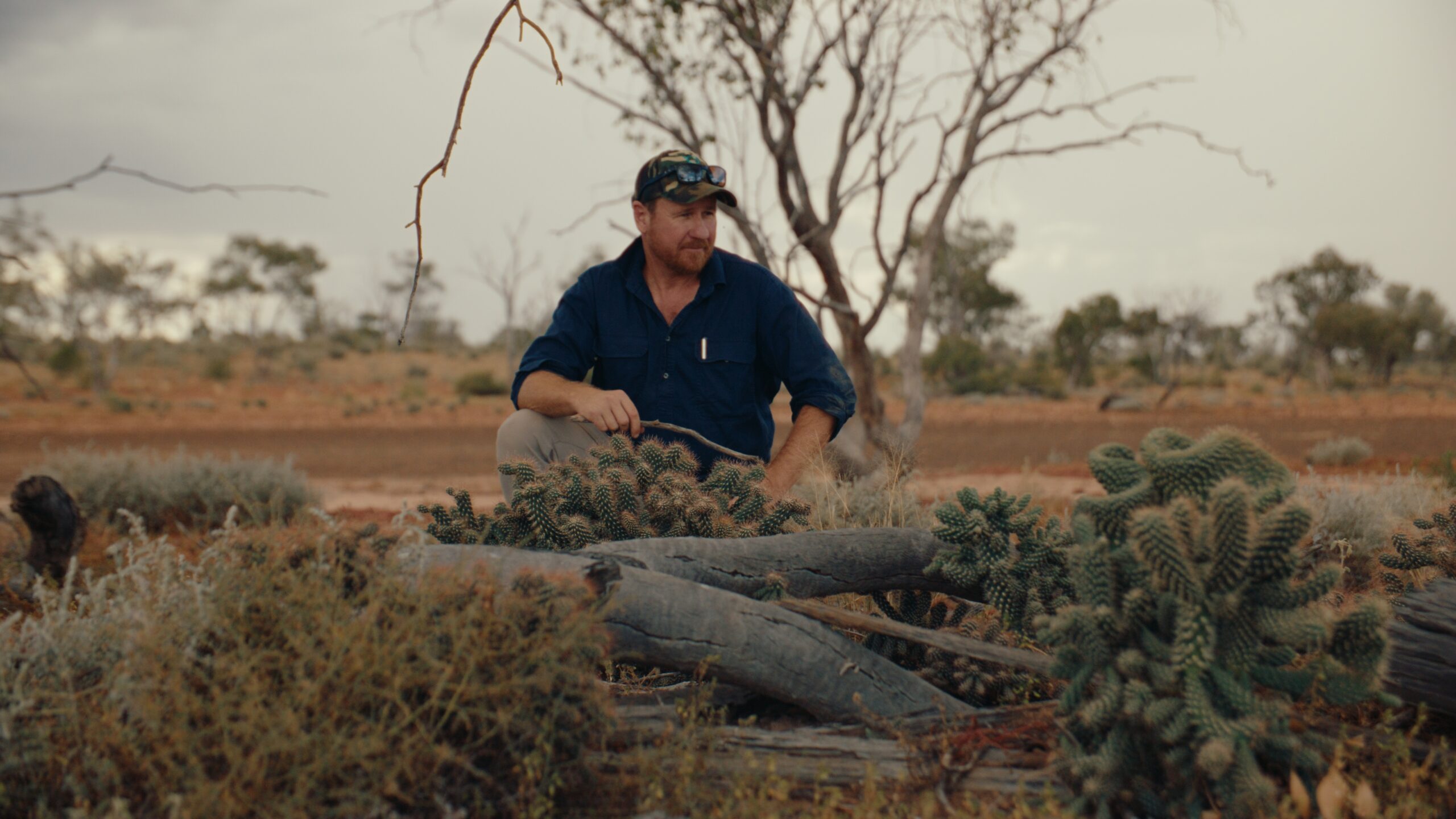
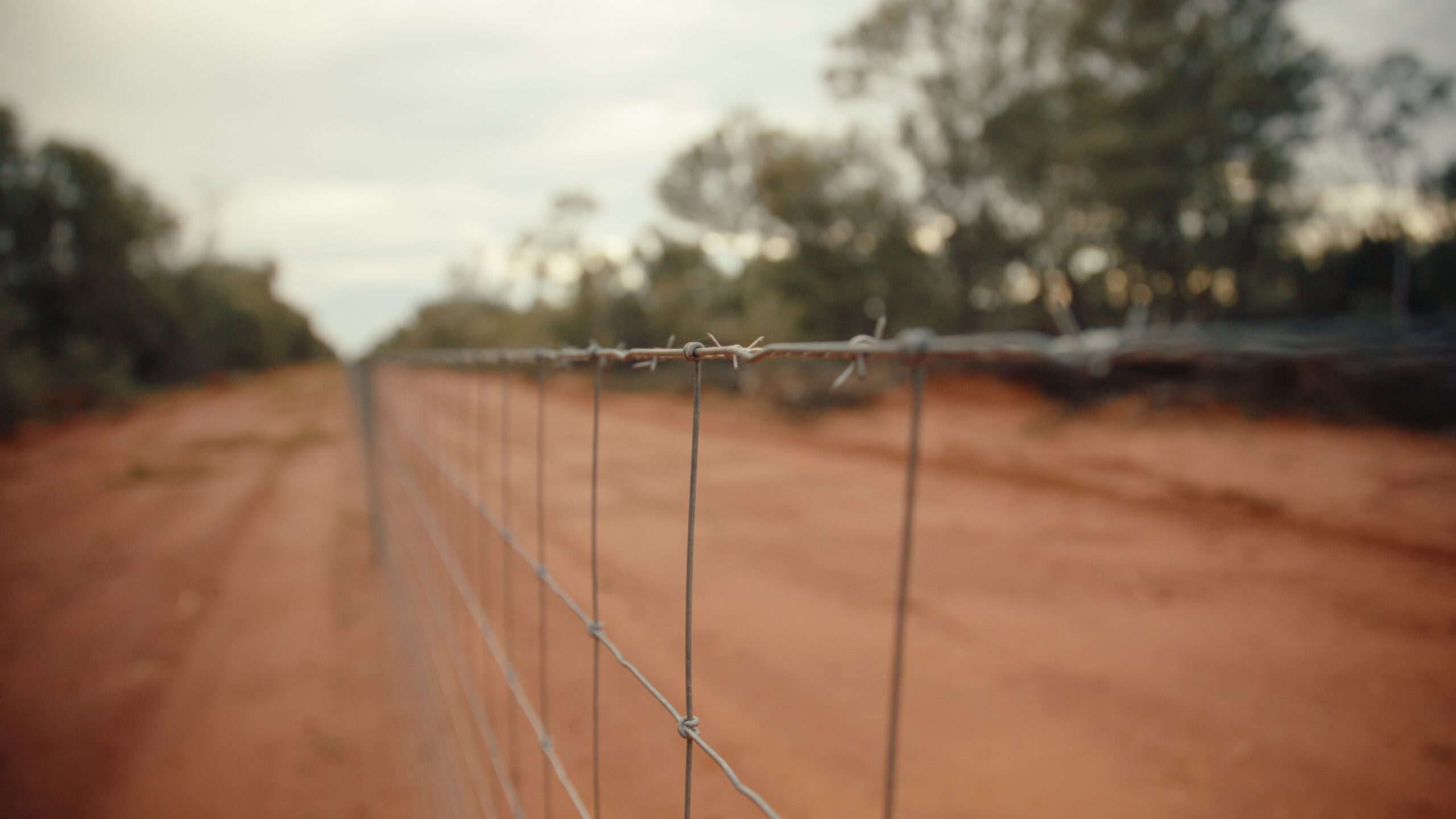
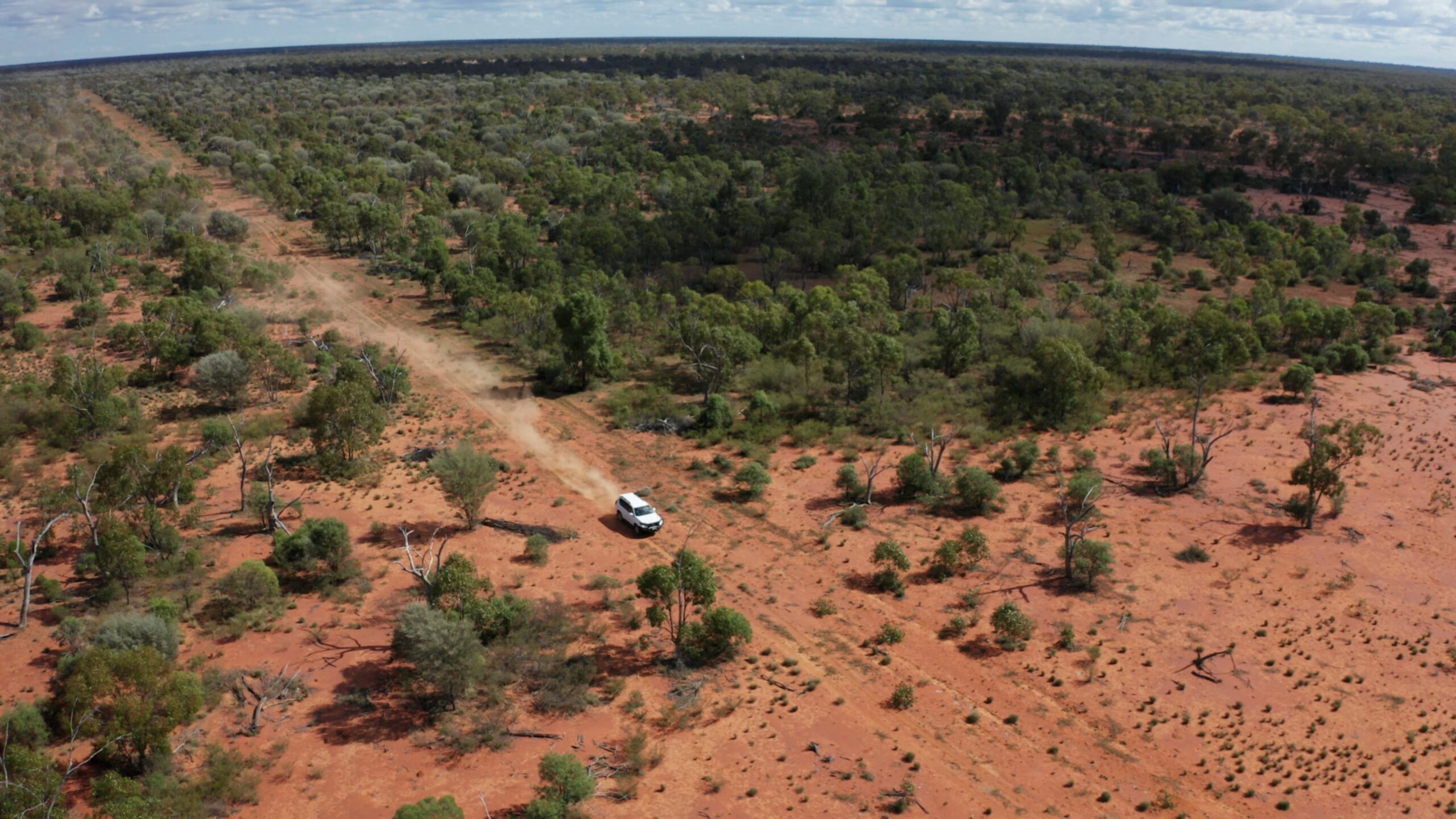
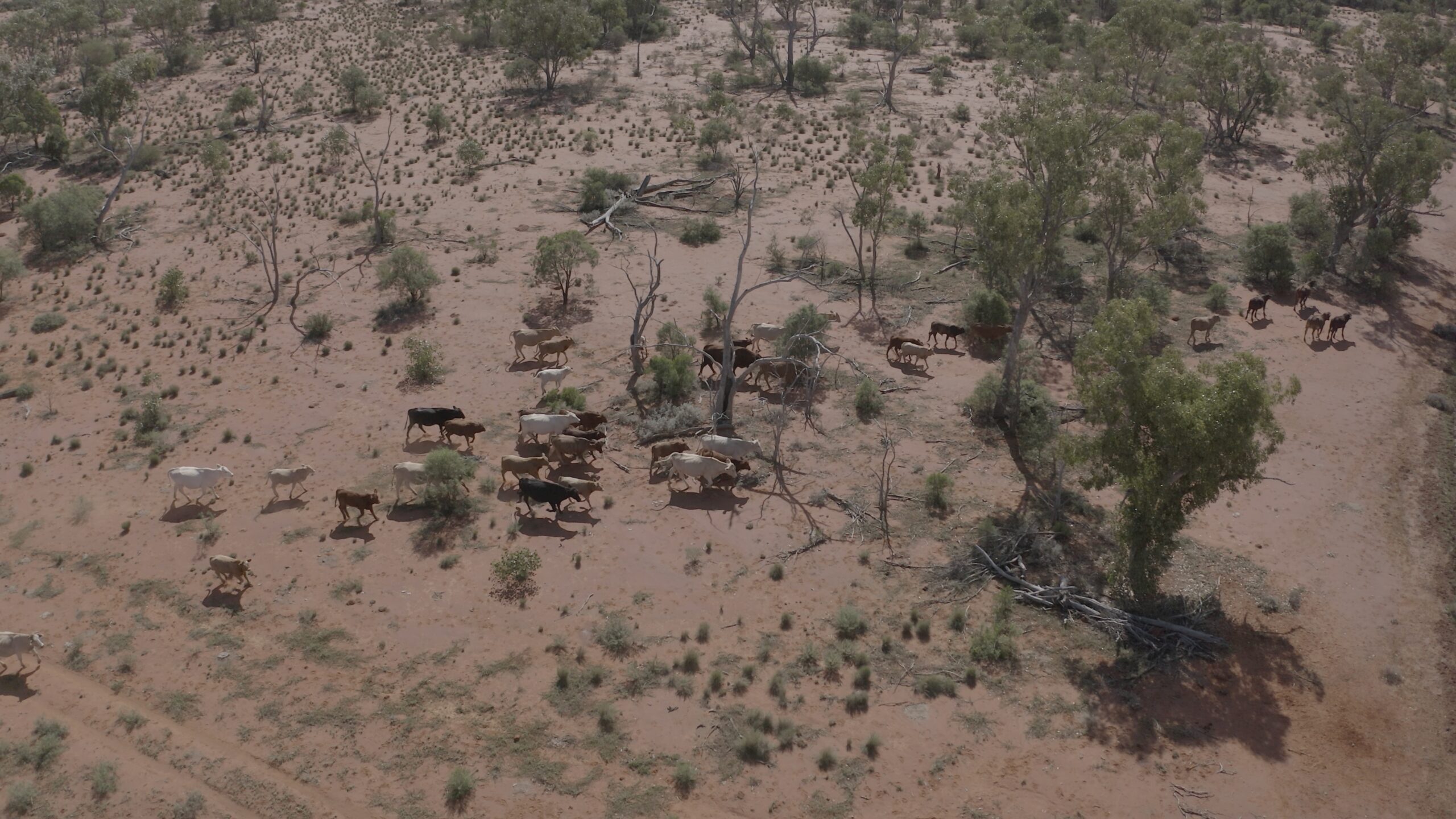
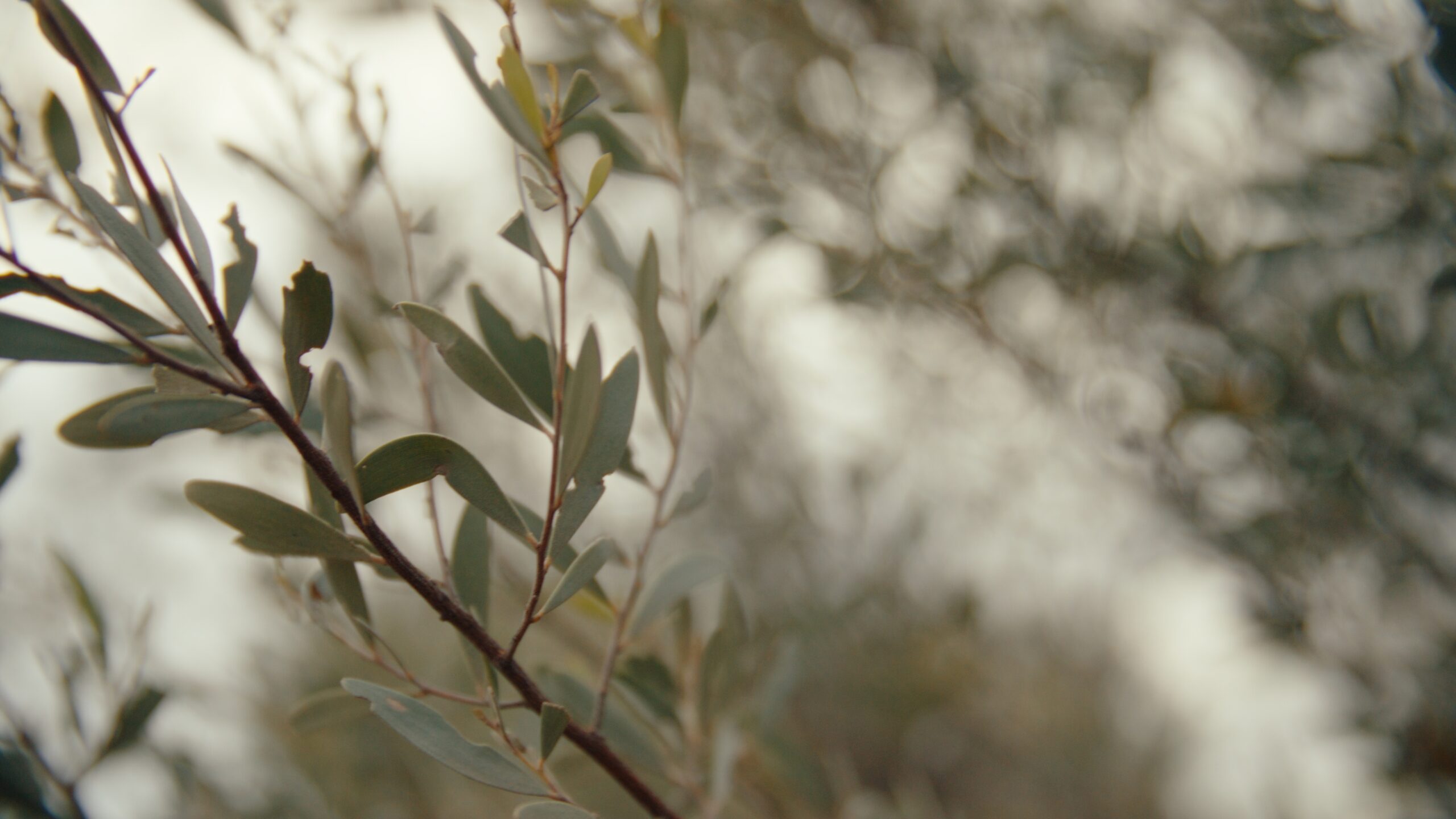
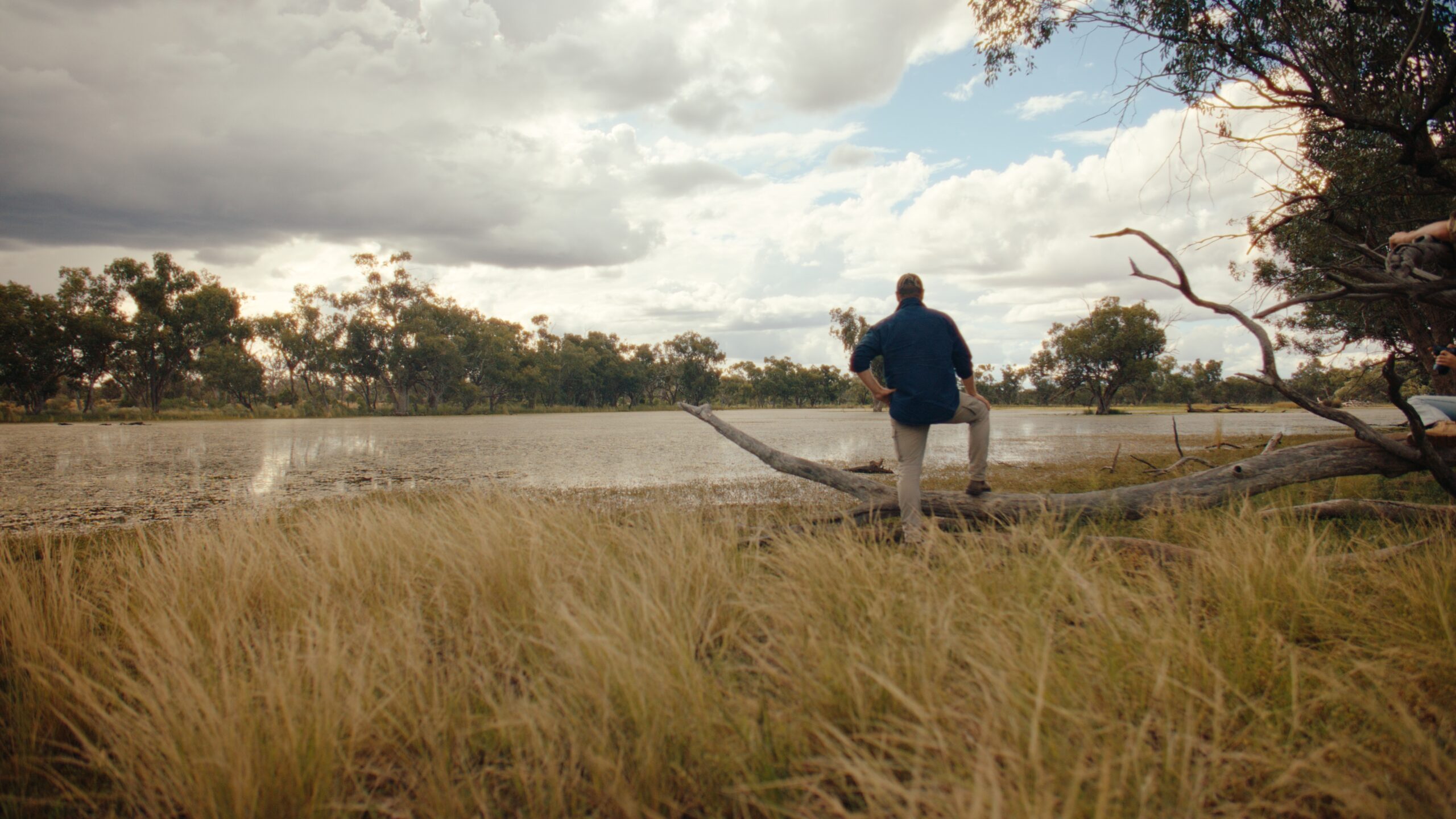
Located in the Mulga lands bioregion of South West Queensland, TEM's human-induced regeneration (HIR) projects are regenerating native vegetation through changes in land management practices. This includes ending widespread vegetation clearing, sustainably managing grazing livestock and humanely controlling pest animals, such as feral goats and pigs. TEM has local, on-ground staff who frequently travel to the projects, implement fire and pest species management activities, and foster strong personable relationships with agistees, who help manage the livestock on the properties. TEM’s projects also all maintain 100-year permanence periods which ensure the carbon sequestered, as well as the restored ecosystems and habitats, are conserved beyond our lifetimes.
Who we work with?
This is a portfolio of TEM-managed carbon projects. As the project agent, we work directly with the land holders of these projects to manage, measure and deliver exceptional carbon project outcomes for five properties in the region.
How this method works?
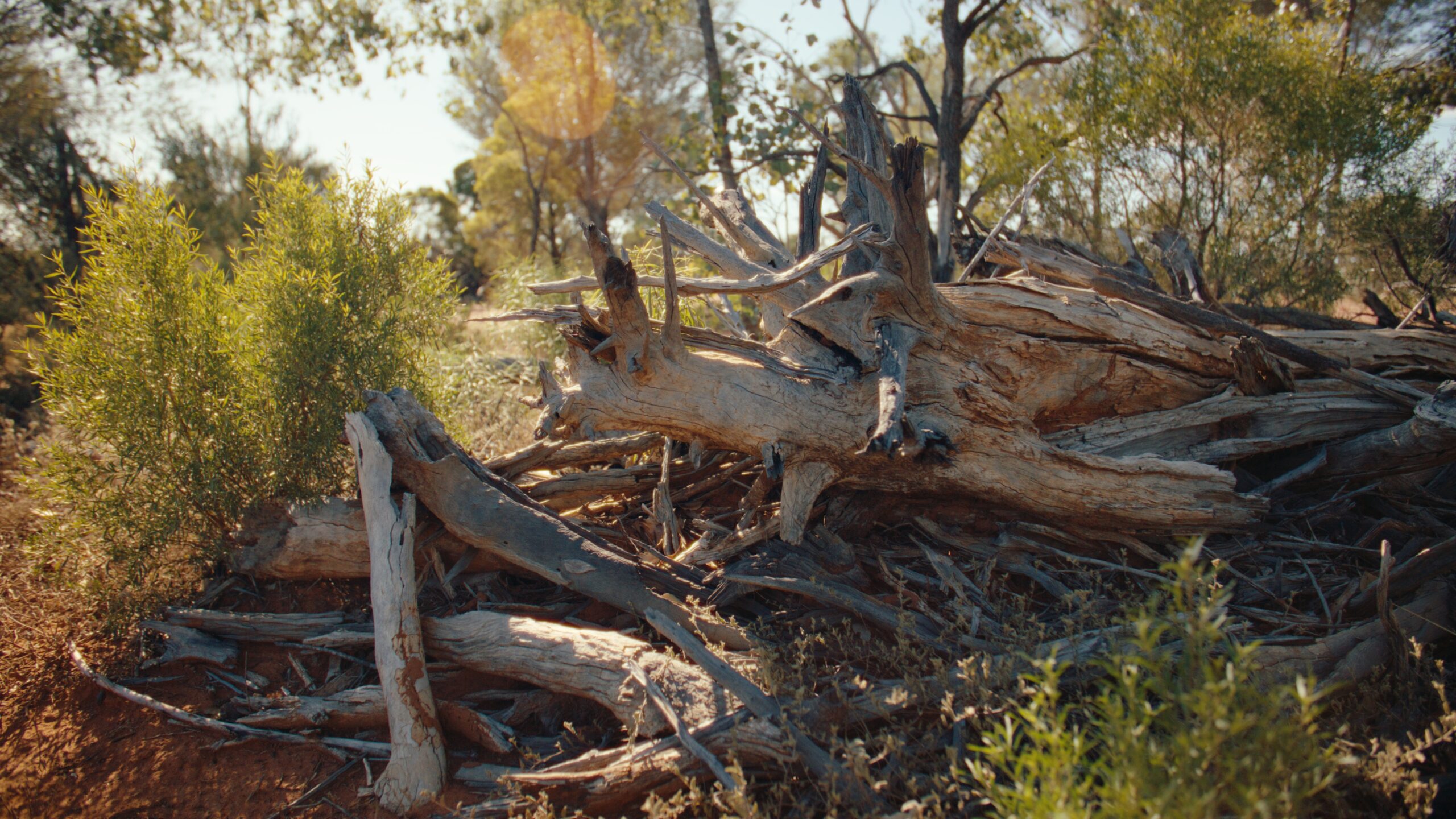
Agriculture accounts for more than half of Australia’s land use, with grazing native vegetation occurring in most areas of Australia (ref 1). Human-induced regeneration (HIR) projects involve the regeneration of native forests by changing land management practices. The native forest on these projects has been suppressed for at least a decade prior to the project start date, and with the project’s implementation and carbon finance, the forest can regrow (and subsequently sequester carbon); the carbon stored in the trees must be kept for either 25 or 100 years. The changed land management activities may include managing the timing and extent of grazing, managing feral animals, and stopping clearing. Like many methods under the Emissions Reduction Fund (ERF), HIR is designed to promote and uplift sustainable agricultural practices.
References: 1. https://www.agriculture.gov.au/abares/products/insights/snapshot-of-australian-agriculture
Community and Biodiversity Impact
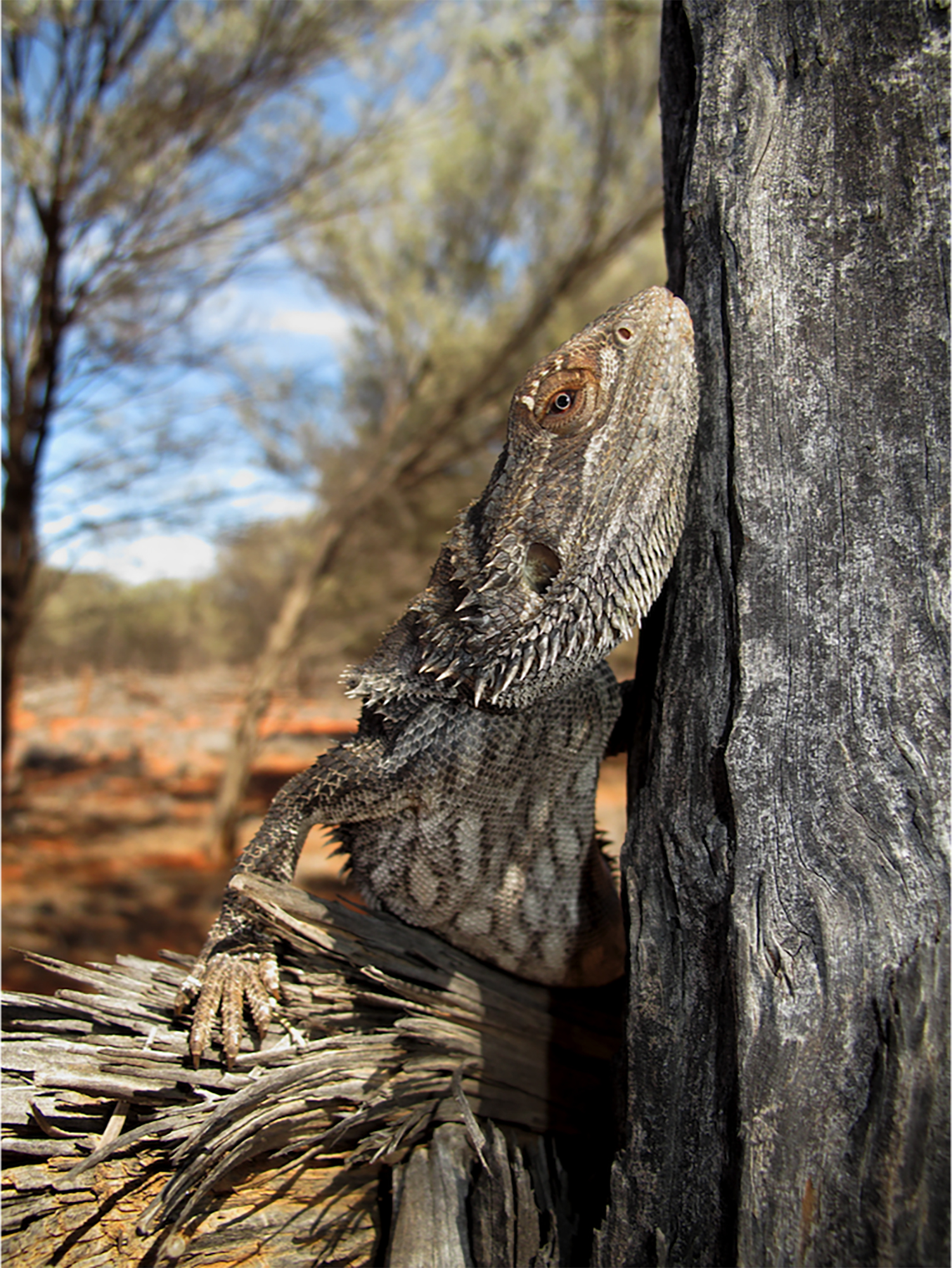
TEM works with members of the local community to carry out project activities and contribute to project outcomes. By allowing the land to naturally regenerate, the projects help ensure long-term productivity of the land; this is monitored by TEM staff both remotely and in person. Some projects in the portfolio are located within the Mulga Lands Bioregion, an area of high
biodiversity significance that includes sections of a biodiversity corridor, important wetlands, and essential habitat for koalas and other threatened species. Management activities implemented at this project focus on maximising both carbon sequestration and biodiversity outcomes.
Carbon Impact
This portfolio of TEM-managed HIR projects has issued nearly 300,000 Australian Carbon Credit Units (ACCUs) since the projects’ registrations in 2021 and early 2022. The permanence period for the projects is 100 years, meaning that extra measures are in place to make sure the carbon is stored for at least 100 years.
Sustainable development goals
This project meets the following United Nations Sustainable Development Goals