Product Data
Native Forest Protection
Australian Carbon Credit Unit (ACCU)
Australian Government Emissions Reductions Fund
Carbon Farming Initiative - Designated Verified Carbon Standard Projects (Methodology Determination 2015)
Multiple project IDs. Available on request or provided at retirement
2022, 2023, 2024, 2025
8: Decent Work and Economic Growth
13: Climate Action
15: Life on Land
Project Details
Why we support this project
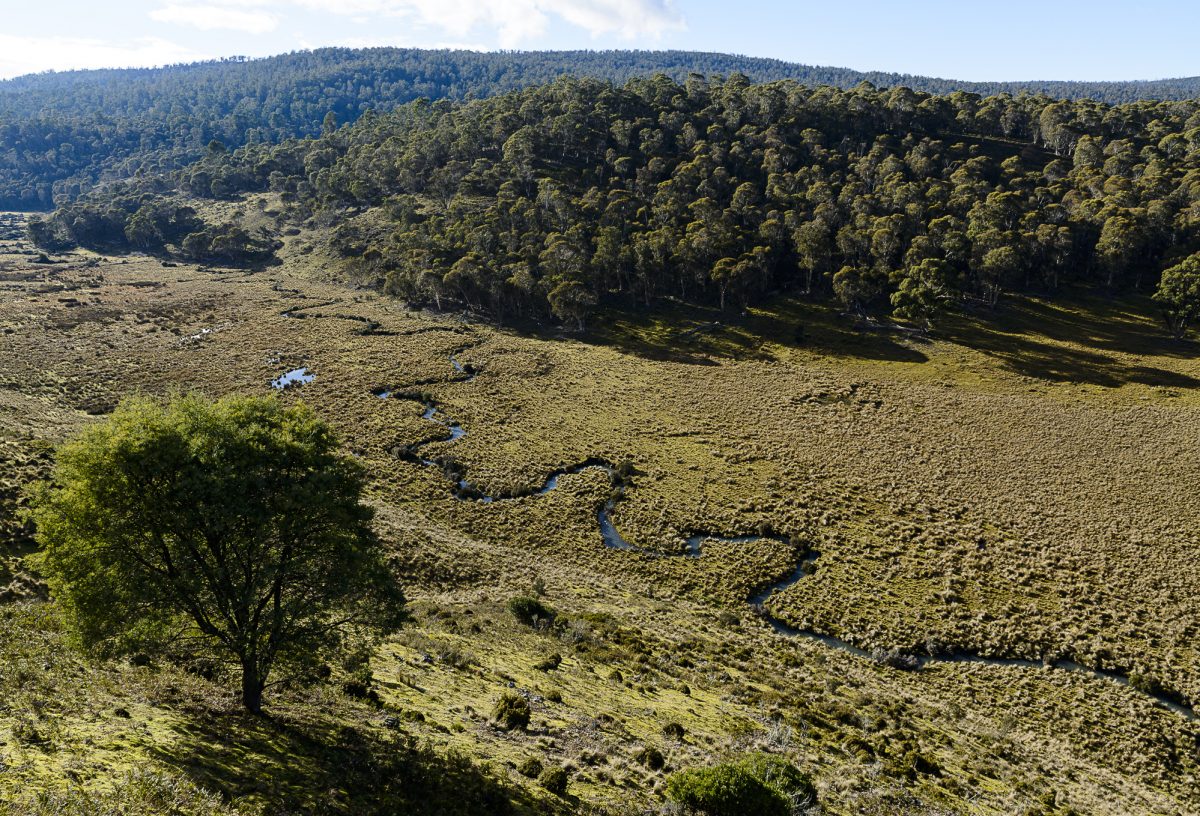
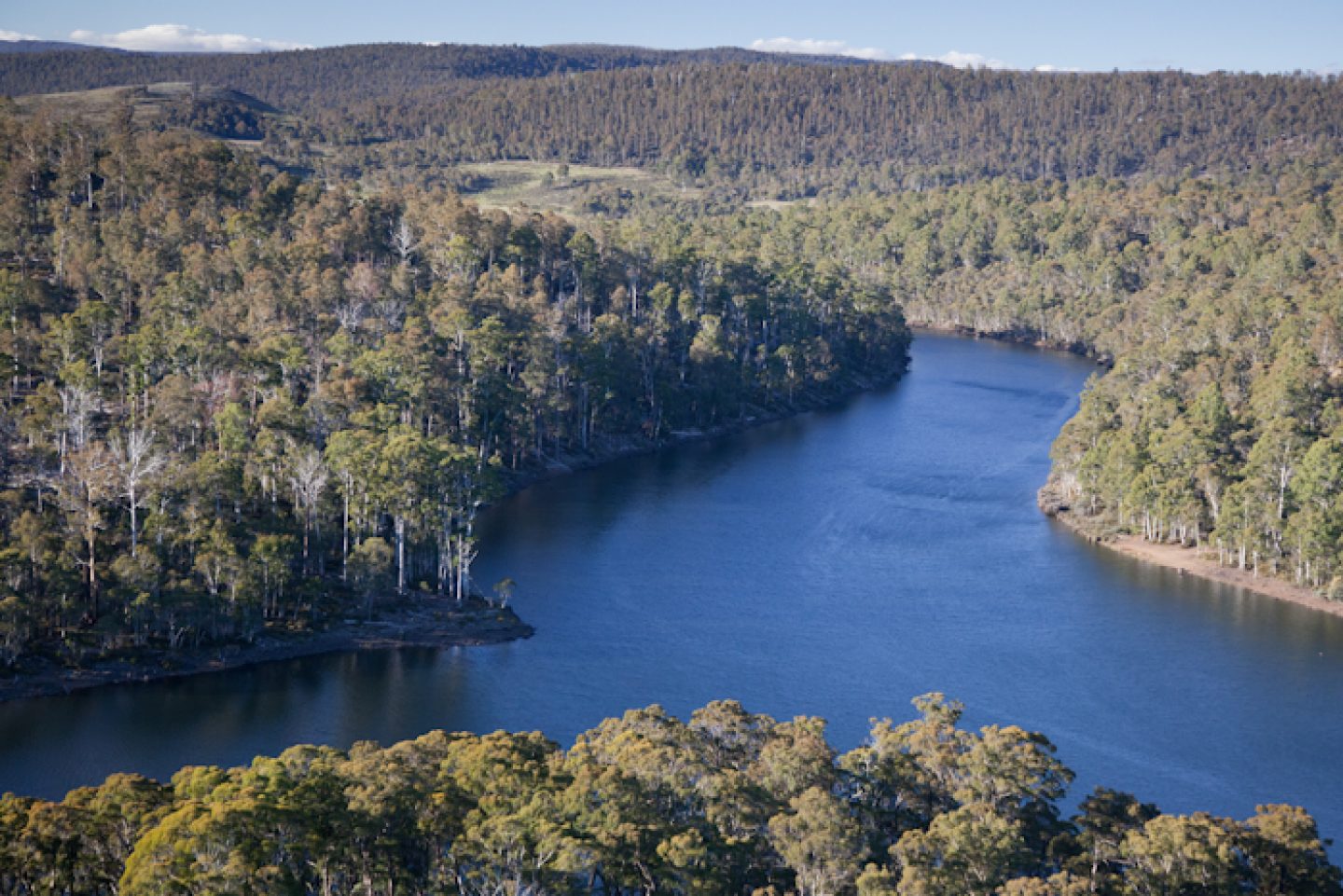
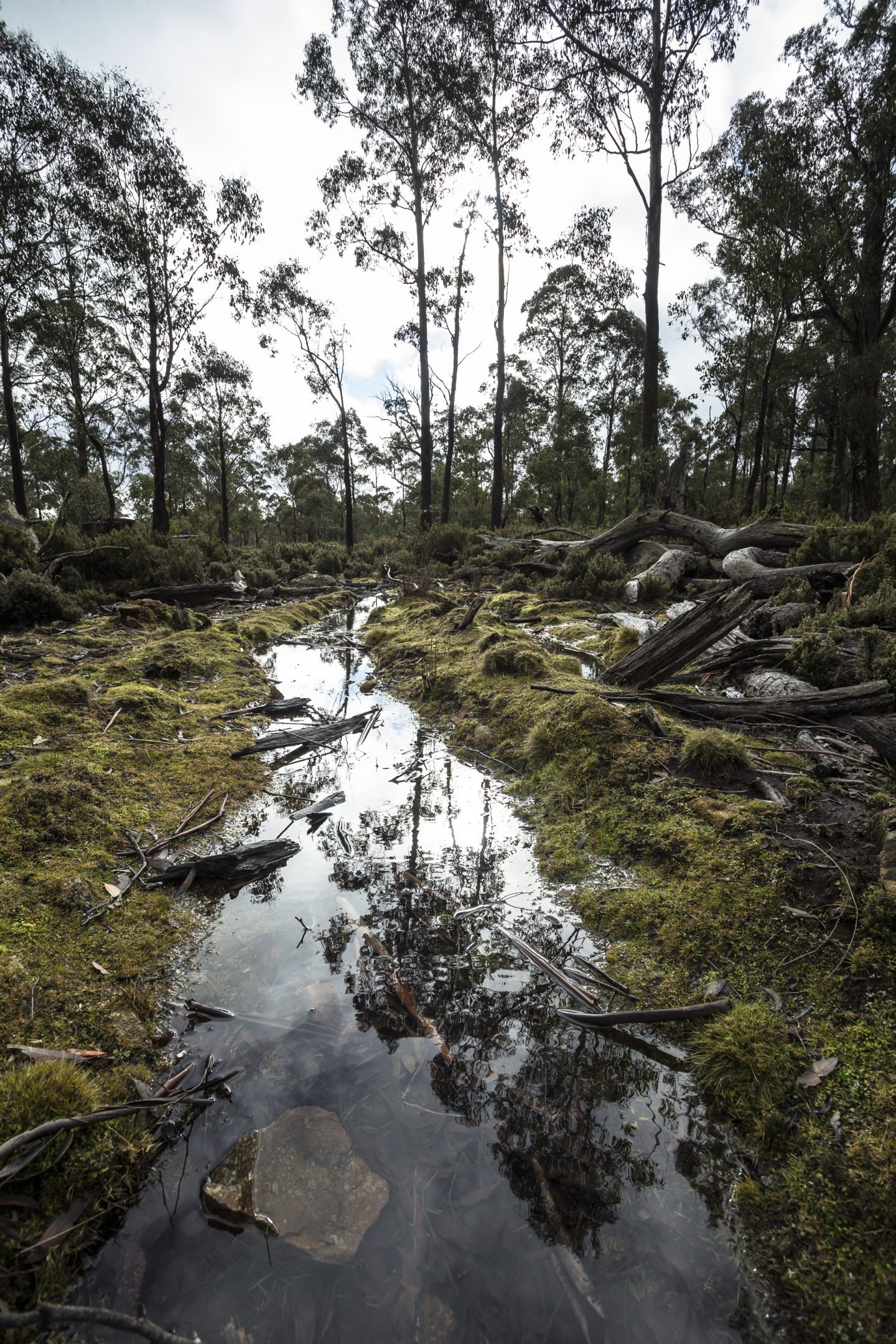
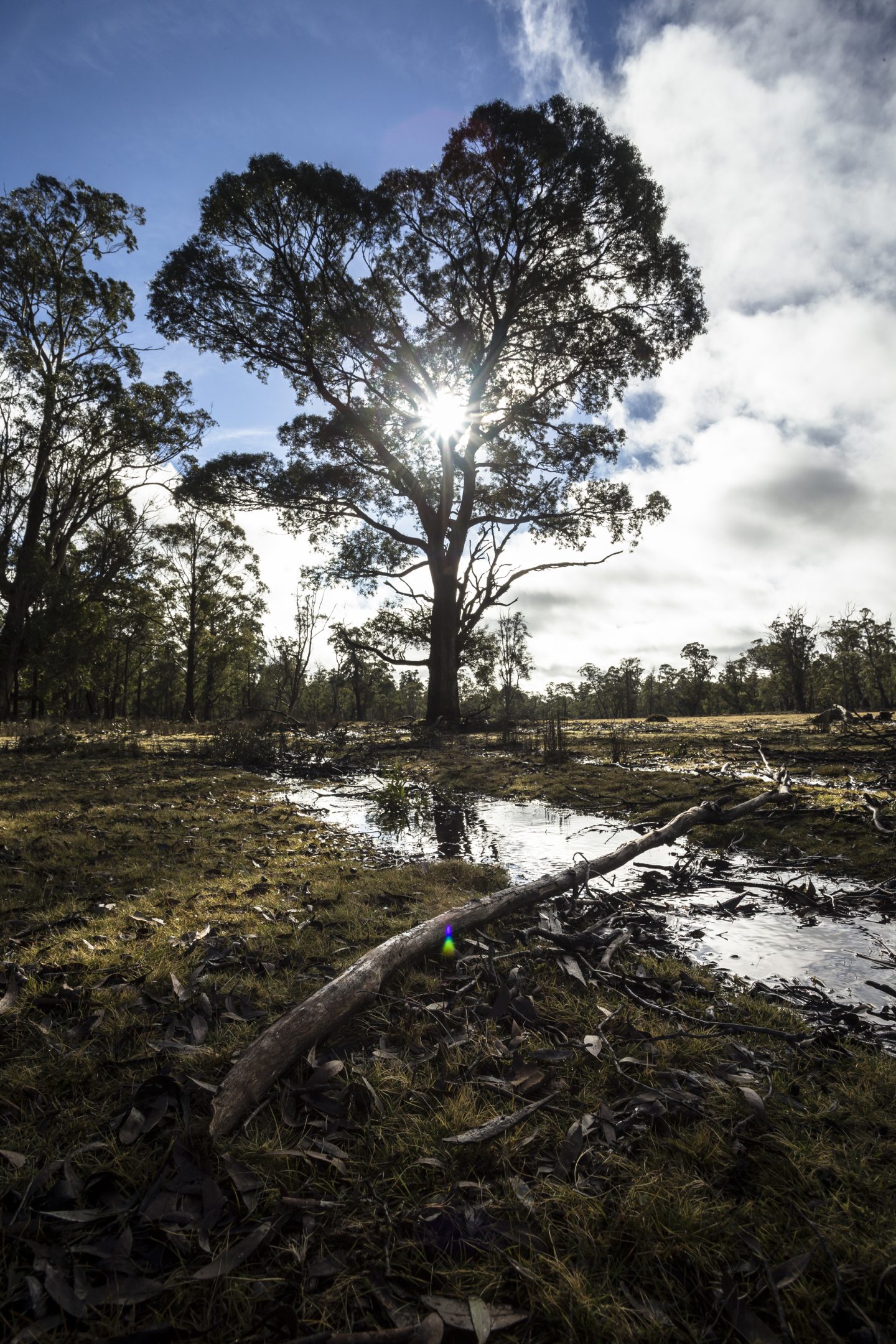
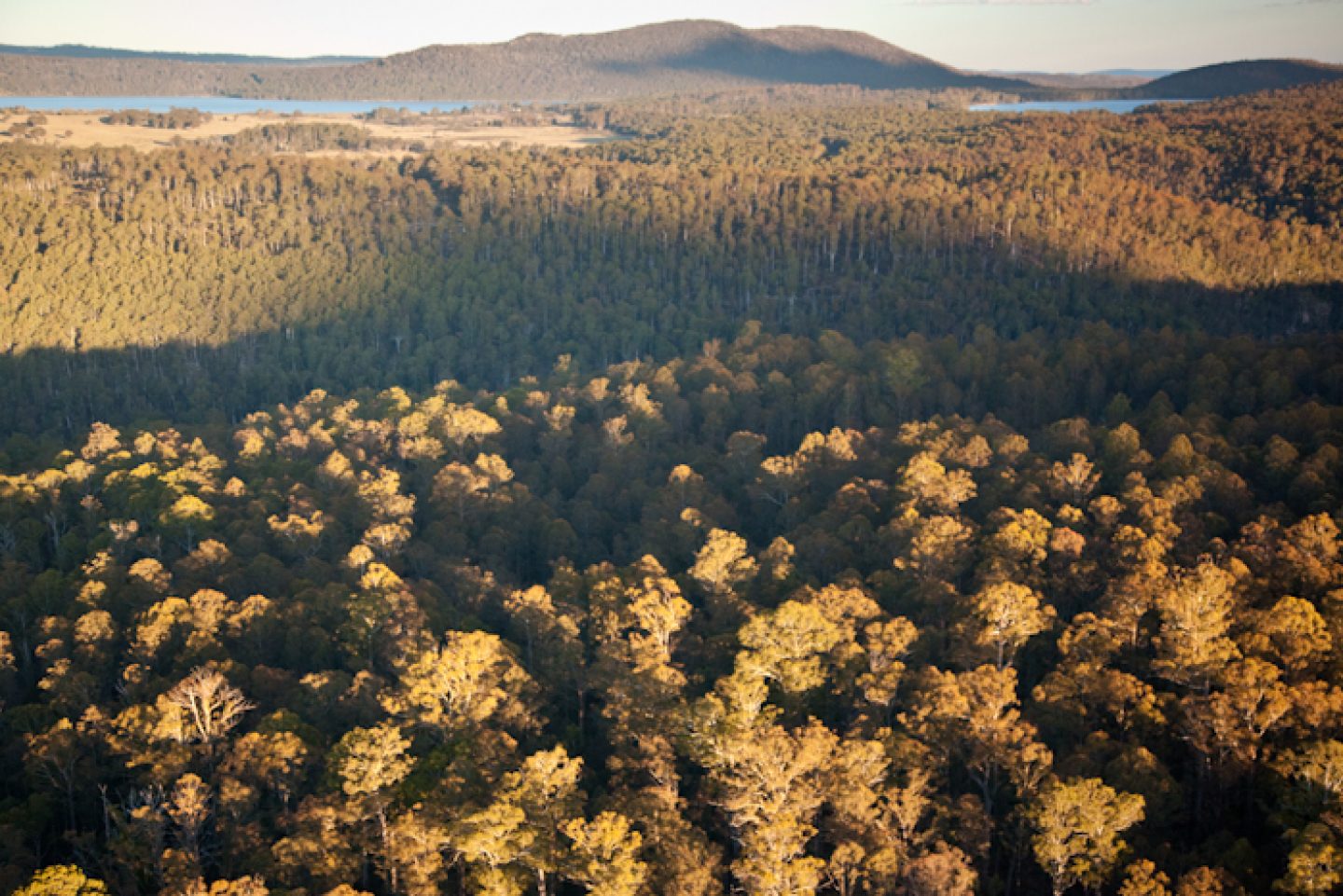
The New Leaf Carbon Projects comprises of 12,000 hectares of native forest across Tasmania.
This land had previously been approved for timber harvesting, prior to its registration as a carbon project, with carbon financing supporting its conservation ambitions.
Stopping logging in these areas safeguards critical habitats, enhances biodiversity, and preserves carbon sequestration processes. The project not only maintains intact ecosystems, but also plays a crucial role in conserving Tasmania's iconic and irreplaceable landscapes. It supports the protection of numerous threatened species, including the endangered Tasmanian devil and the wedge-tailed eagle.
The project will sequester approximately 380,875 tonnes of carbon dioxide over the 25 years of the project's life and is protected via legally binding and government monitored Conservation Covenants. Income generated from the project continues to be reinvested back into conservation efforts managed by the Tasmania Land Conservancy, an independent non-for-profit.
Community Impact
The New Leaf Carbon Project offers significant benefits to the local community by providing a sustainable economic model through carbon credit trading. This innovative financing mechanism enables continued conservation efforts while creating a market-driven solution for carbon sequestration. The project also promotes community engagement in conservation, inspiring local involvement in environmental protection and offering economic opportunities through the carbon offset market.
Biodiversity Impact
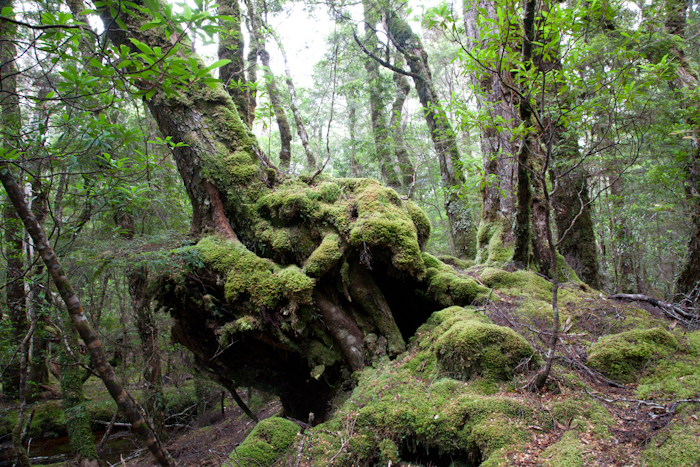
The project protects a vast array of Tasmanian ecosystems, including ancient rainforests, sub-alpine forests, and lowland woodlands. By halting logging activities across 12,000 hectares of land, the project safeguards critical habitats for several endangered species, such as the Tasmanian devil and wedge-tailed eagle. Additionally, the project contributes to the preservation of Tasmania's unique biodiversity by ensuring long-term protection of rare and threatened species and supporting vital ecological processes.
Real and Lasting Impact
Permanence: The risk of not meeting permanence requirements for this project is considered low. In addition to adhering to required commitments, with risks to permanence identified as fire, pests, extreme weather, and market changes, The Tasmanian Land Conservancy's constitution requires the project to be protected via a perpetual conservation covenant. The conservation covenants are registered through the Tasmanian Department of Natural Resources and Environment and monitored by the Department.
The perpetual conservation covenant is attached to the land title and travel with land title to any future landowner should they be on sold. Also to ensure the properties remain within the project landowners are required to sign a Forestry Rights Agreement (FRA) and a Land Stewardship Deed. The FRA is registered on the Land Title and vests the “trees” to TLC and therefore TLC retains that interest, the FRA is a 99-year agreement. The Land Stewardship Deed is an agreement between the owner and TLC where the Landowner has given certain covenants related to the management and stewardship of the Land in the Forestry Rights Agreement area. The Landowner has granted the TLC all Carbon Sequestration Rights (which includes the right to generate Carbon Units) in respect of the Site pursuant to the terms of the Forestry Rights Agreement.
All properties sold are also required to be visited by TLC staff on an annual basis and discussion undertaken with the landowners about any issues that might pertain to the Forestry Rights Agreement area (the carbon stock).
Properties with conservation covenants are also monitored by the Department of Natural Resources and Environment as part of their stewardship program for monitoring the performance of the conservation covenant in managing natural values.
Geospatial analysis by TEM staff of satellite data confirms stable and increasing forest cover across most areas, except for temporary declines due to fire and drought in 2019-2020. Monitoring and adjustments ensure the project's permanence is maintained.
Additionality: The risk of not meeting additionality requirements for this project is considered low. Additionality was demonstrated using a tool required at registration, showing that selective logging was ongoing and financially attractive in the absence of the project. The carbon project prevents further logging, making it additional to the business-as-usual scenario. Evidence, including logging permits and geospatial analysis, was validated by an independent verifier. Though post-2014 validation reports aren't publicly available, geospatial analysis confirms no clearing has occurred since the project's start, indicating additionality has been maintained.
Leakage: No leakage identified. The potential for leakage was assessed upon registration to Verra and confirmed to be valid in the initial audit. Ongoing audits are not available to confirm no leakage has occurred since registration due to transition to the Australian Emissions Reduction Fund.
Sustainable development goals
This project contributes to the following United Nations Sustainable Development Goals