Product Data
Plantation Forestry
Australian Carbon Credit Unit (ACCU)
Australian Government Emissions Reductions Fund
Carbon Farming Initiative - Plantation Forestry, Methodology Determination 2022
Multiple project IDs. Available on request or provided at retirement
2025
13: Climate Action
15: Life on Land
Project Details
Why we support this project
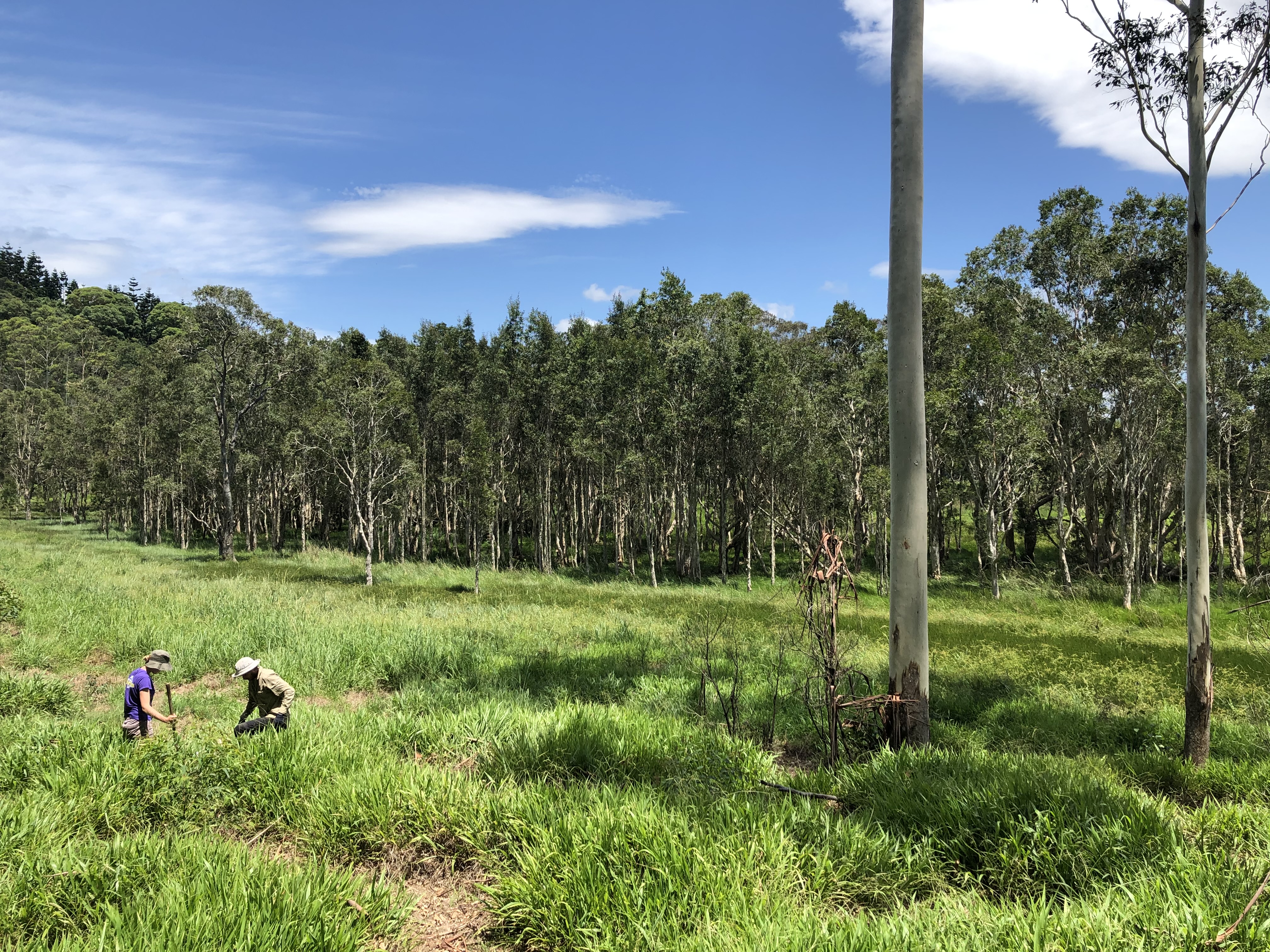
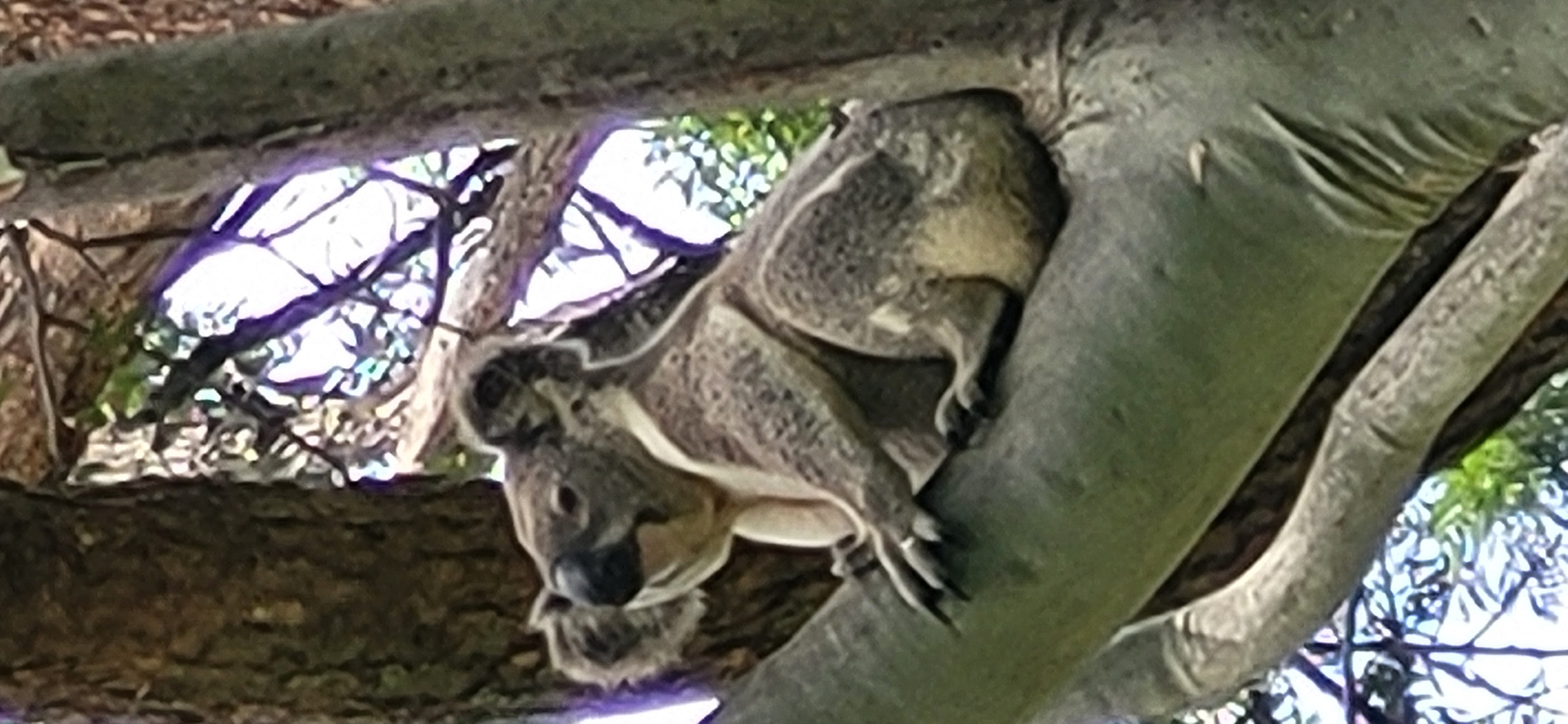
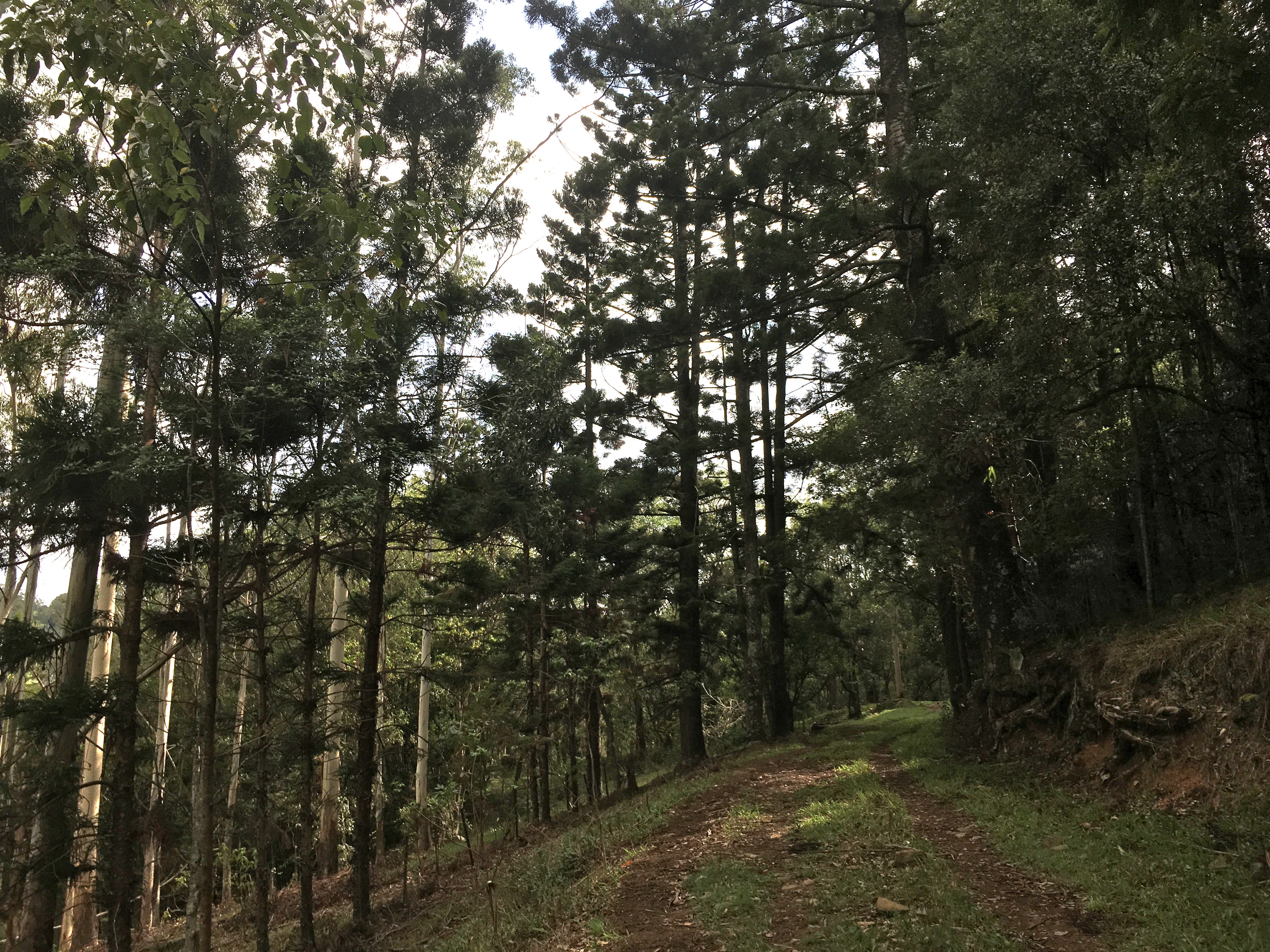
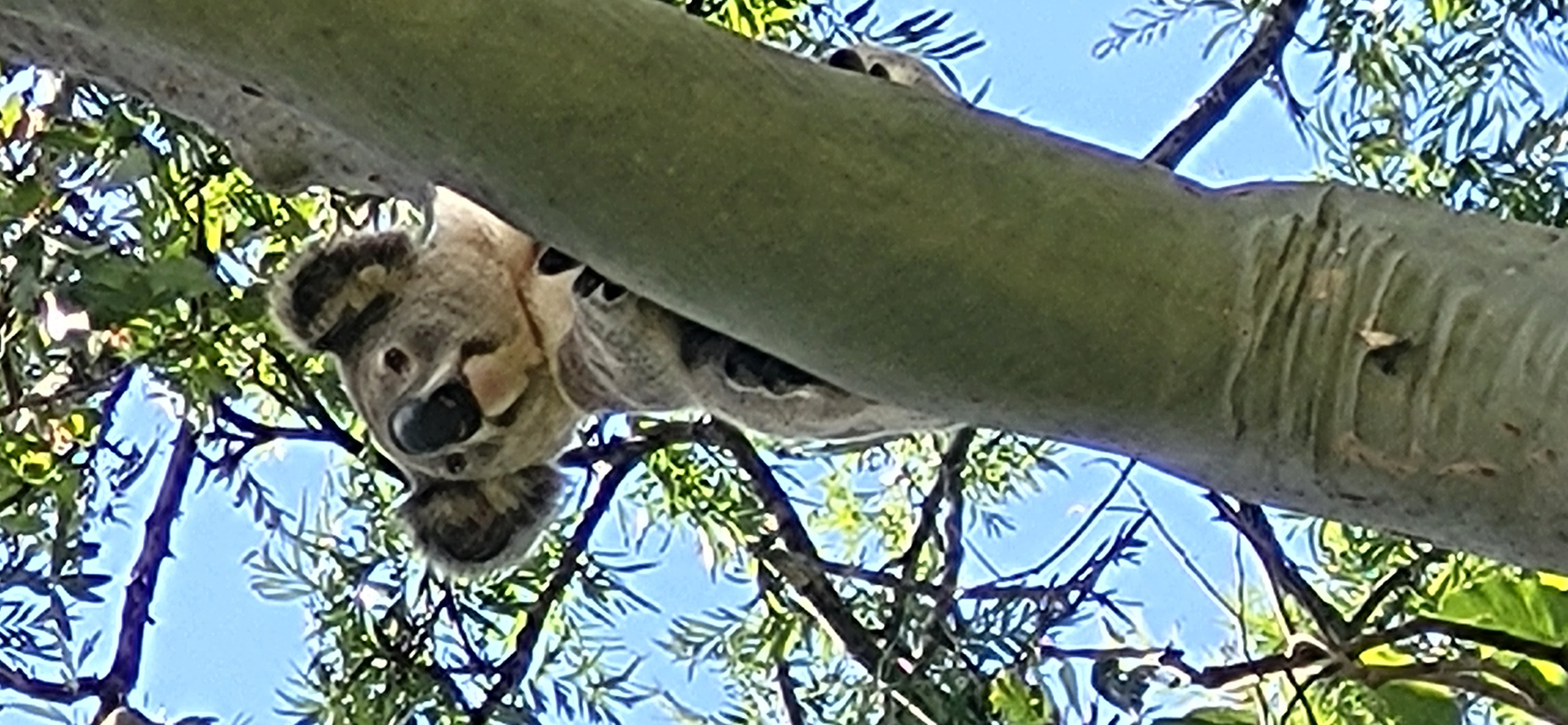
The Forest Farm Carbon Project combines regulated, independently verified carbon outcomes with landholder led ecological restoration in north-east NSW, an important biodiversity hotspot. Registered under the ACCU Scheme (ERF183334), the project applies the Plantation Forestry Methodology Determination 2022 to transition an existing plantation to a permanent diverse native forest, where the land was at risk of conversion to non forest use. The project is subject to a 100 year permanence obligation, providing long-term carbon storage and land stewardship. Beyond carbon, the landholders describe themselves as custodians of a 112 hectare sanctuary, actively restoring degraded landscapes through assisted regeneration, weed control and planting. The project is also verified under Accounting for Nature (AU00063) for koala habitat and population, strengthening confidence that biodiversity outcomes are being measured alongside carbon abatement
Read more here and take a digital tour here – https://forestfarm.online/
Who we work with
The Project Proponents—BJ Herington and CA Herington (trustees for The Herington Family Trust)—supporting ACCU Scheme compliance and on‑ground management as the site transitions from plantation forestry to a permanent forest landscape.
Carbon Impact
The project has issued 5,834 ACCUs since its first issuance in FY2024/25.
Environmental and Biodiversity Impact
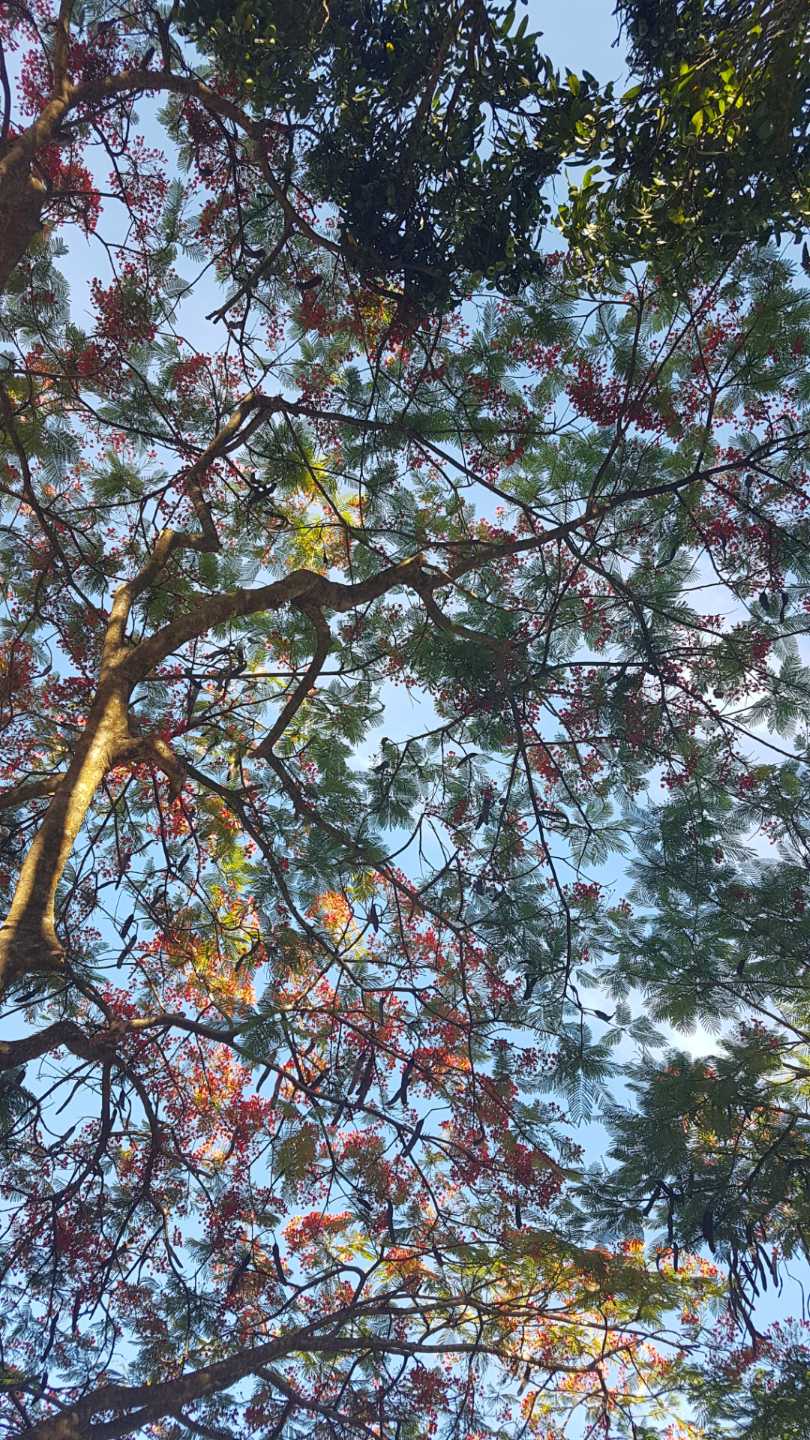
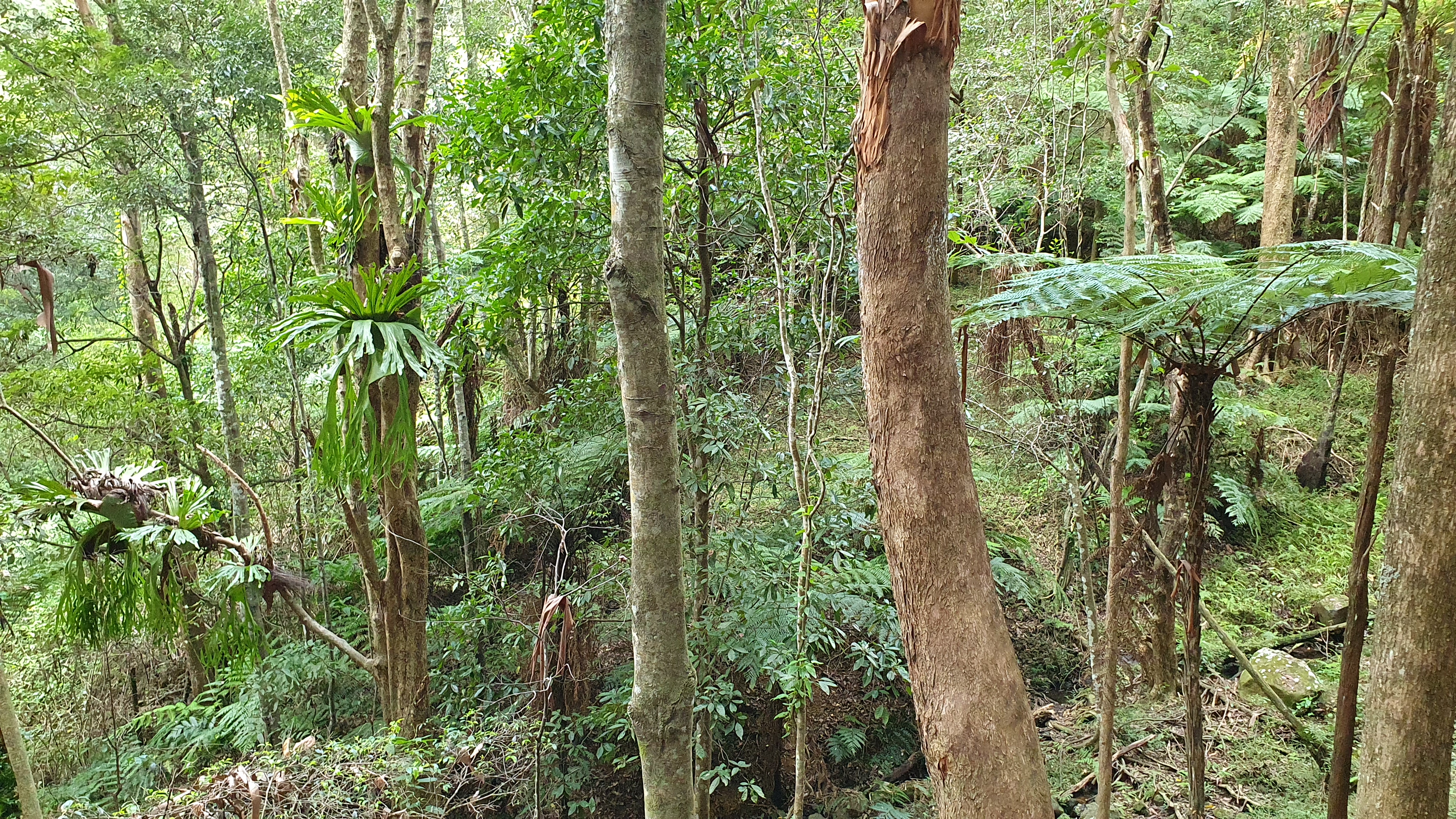
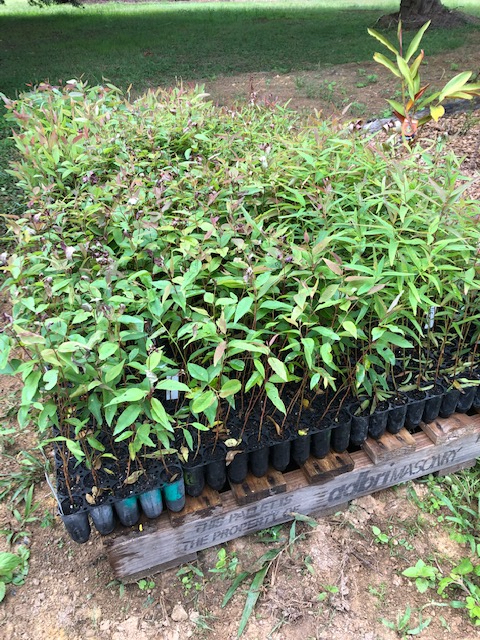
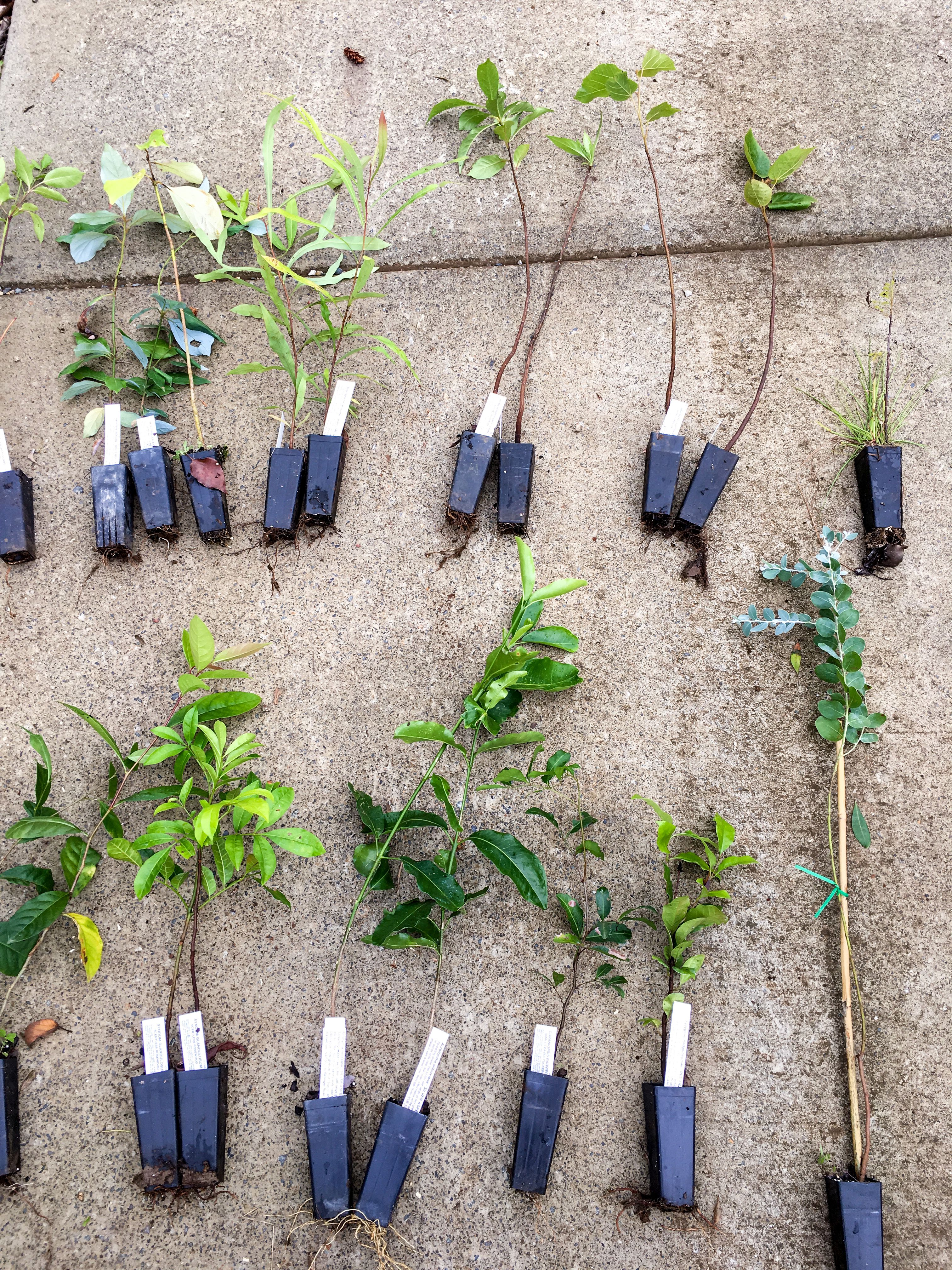
Forest Farm is home to a number of threatened species and contains a mosaic of remnant rainforest, wet sclerophyll forest and forested wetland ecosystems alongside plantation stands of Flooded Gum, Blackbutt and Hoop Pine. According to the landholders, restoration at Forest Farm prioritises assisted regeneration, allowing native species to re establish naturally once weed pressure and grazing impacts are removed, with supplementary planting used where degradation is severe. The plantation areas provide existing canopy and wildlife habitat in the short term, while understory and future canopy species development, weed control and planting support a staged transition toward resilient, permanent native forest landscapes. The project contributes to extensive koala habitat restoration, including large scale planting of primary food and habitat trees and collaboration with conservation organisations to establish koala corridors. Biodiversity outcomes are formally tracked through Accounting for Nature (Environmental Account AU00063) for koala habitat and population.
Sustainable development goals
This project meets the following United Nations Sustainable Development Goals