Product Data
Environmental Planting/Native Forest Reforestation
Australian Carbon Credit Unit (ACCU)
Australian Government Emissions Reductions Fund
Reforestation and Afforestation - 1.2
Multiple project IDs. Available on request or provided at retirement
2021, 2022, 2023, 2024, 2025
8: Decent Work and Economic Growth
13: Climate Action
15: Life on Land
Project Details
Why we support this project
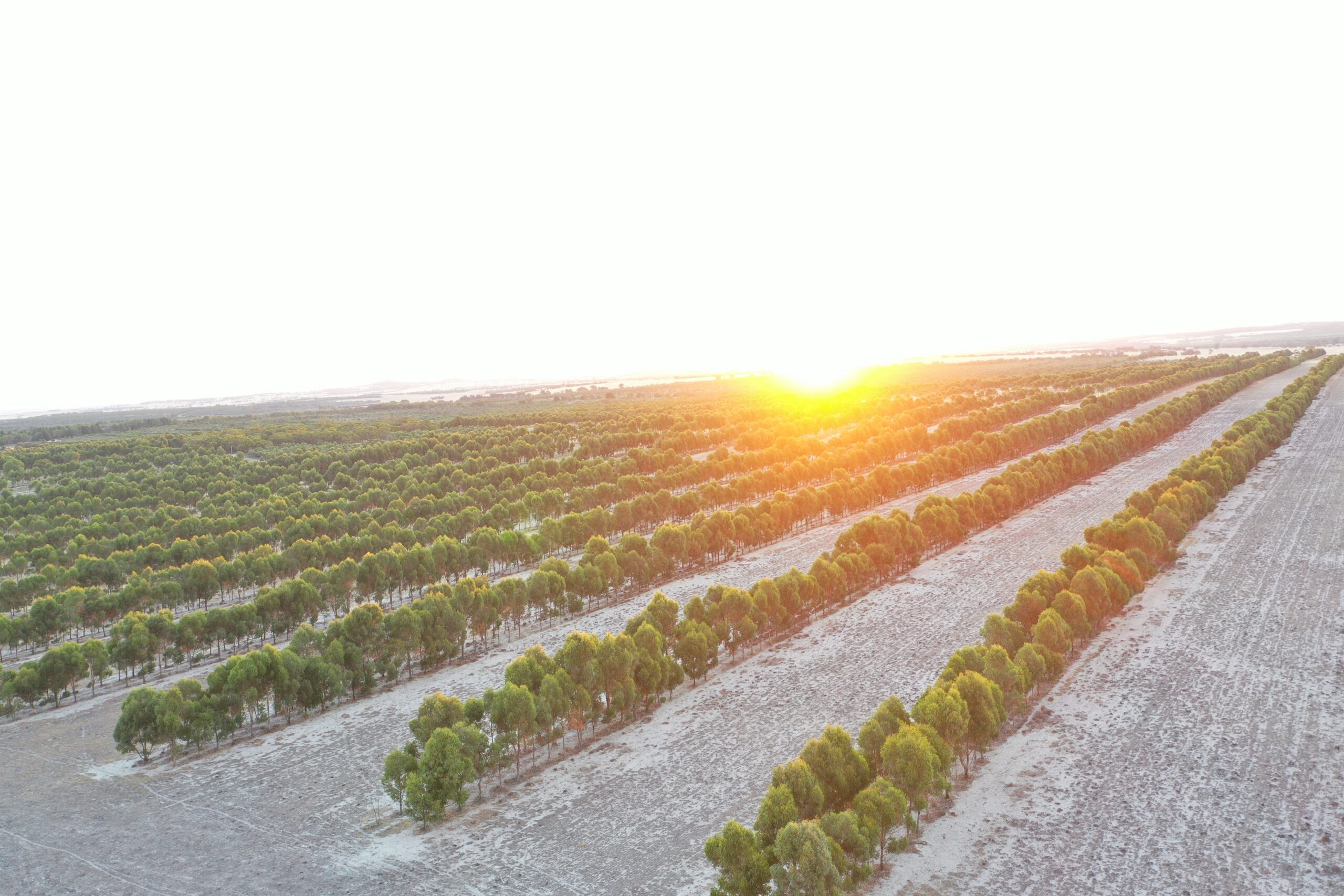
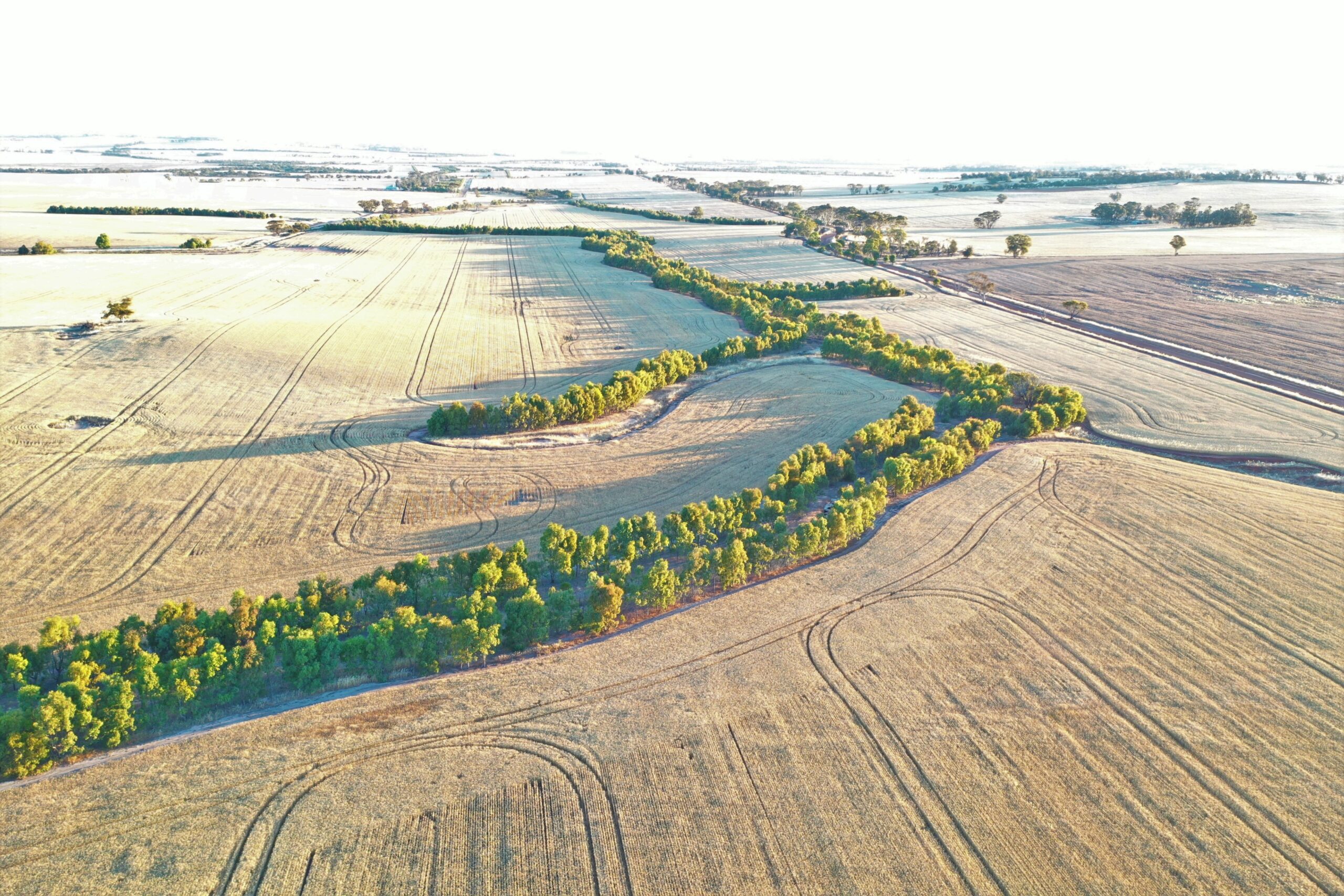
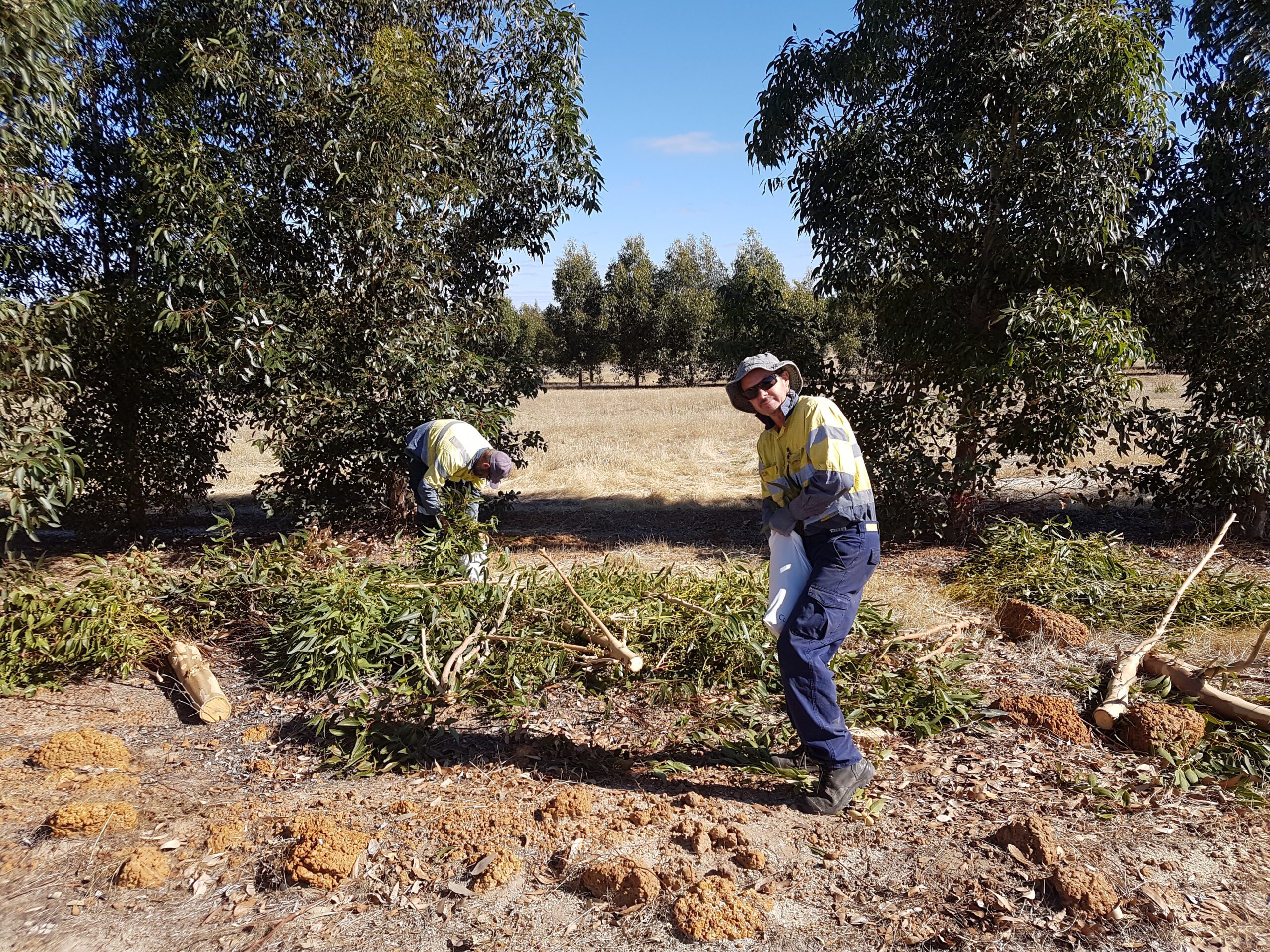
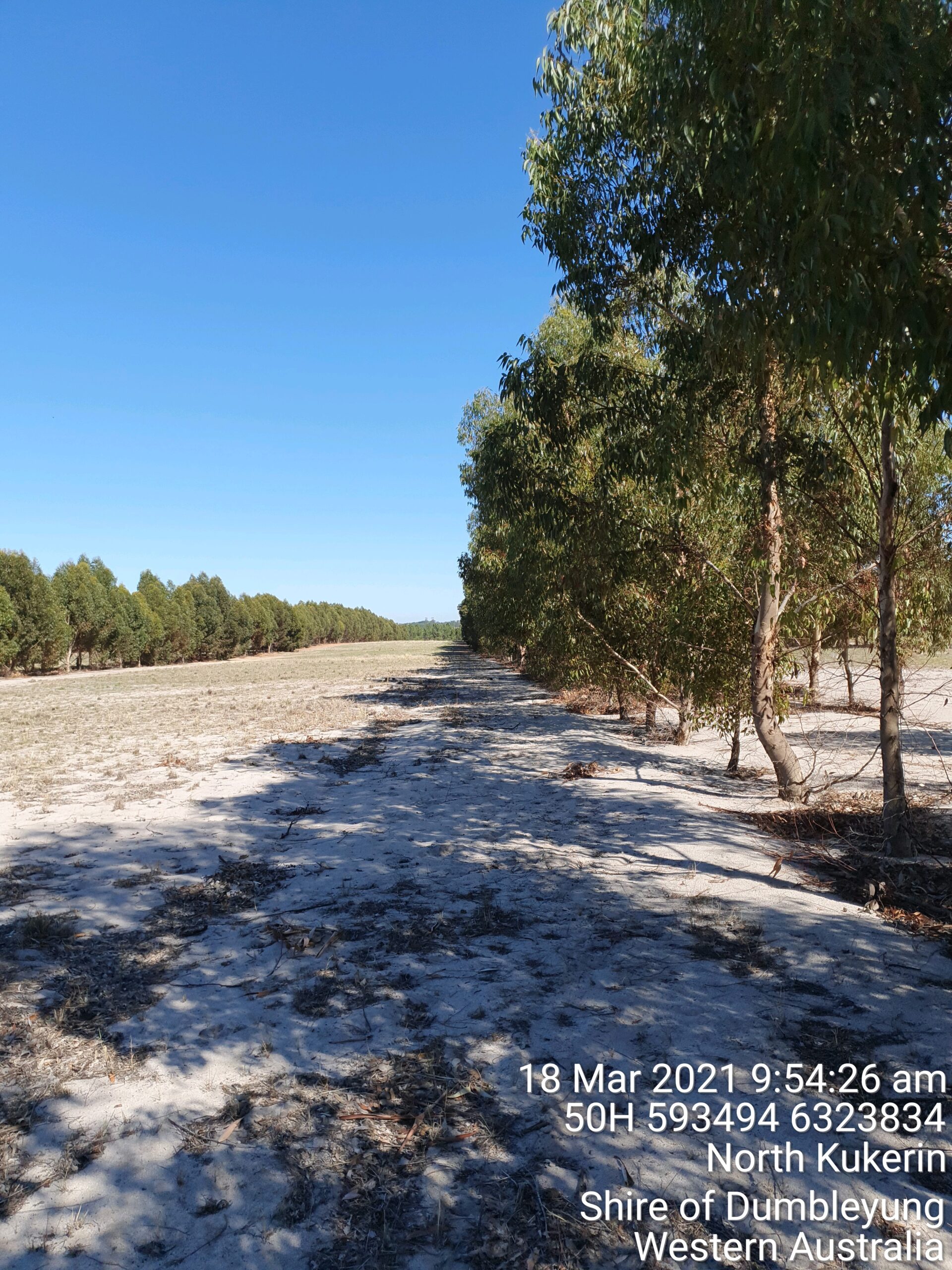
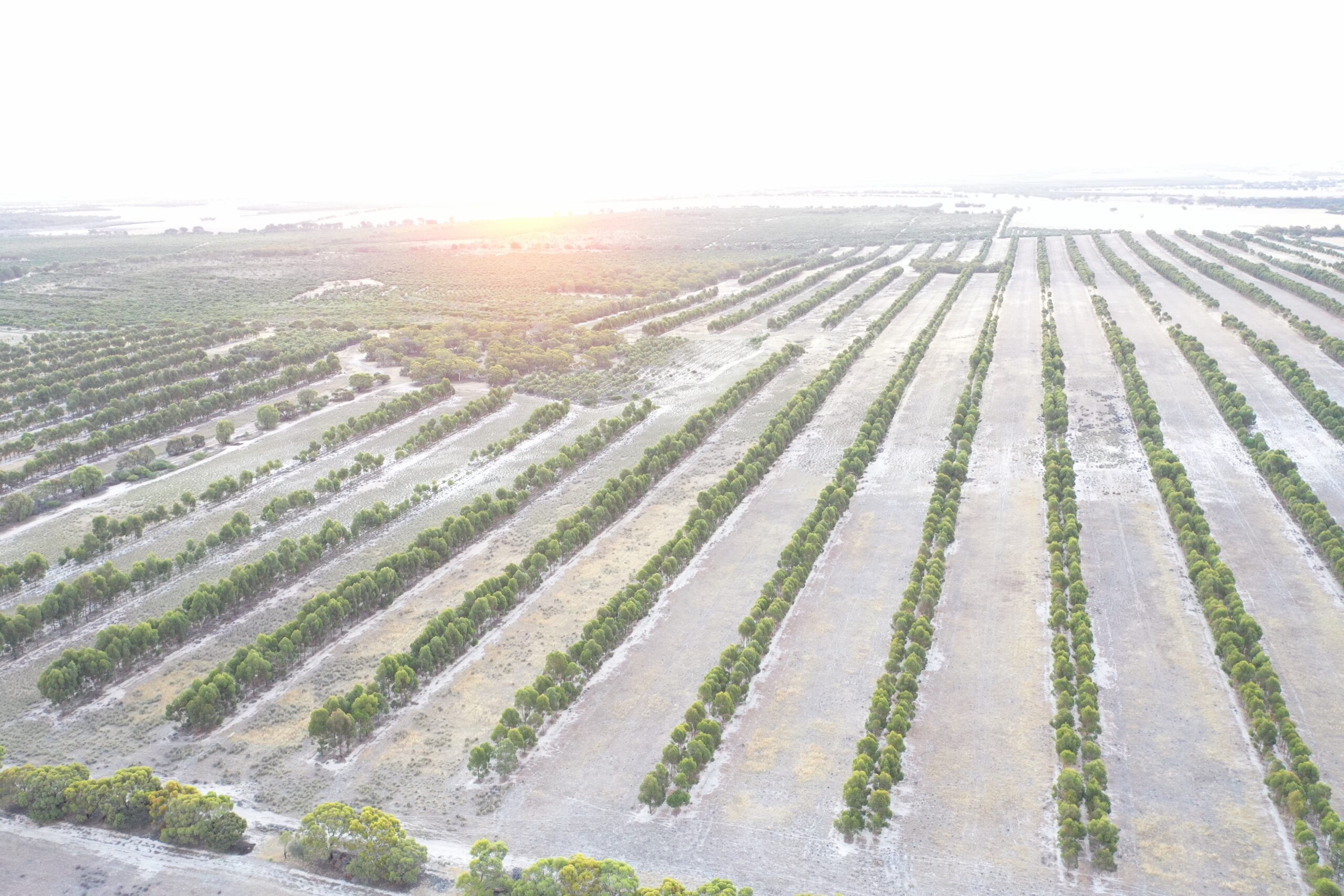
The project has been designed to be planted in narrow belts and small blocks during 2012 and 2013 expressly for the purpose of carbon abatement. The trees are thriving and contributing to environmentally regenerative outcomes in the surrounding landscape that continue to be farmed by the landholder.
Reforestation has occurred primarily on light sandy patches of land or along denuded stream banks. As the plantings mature and forest canopy is regenerated, a range of potential biodiversity co-benefits is achieved. With both the robust carbon removals and the potential to improve biodiversity outcomes in the project area, this reforestation initiative is a prime example of high-integrity nature-based climate change solutions.
Who we work with
Established in 2005 and based in West Perth, Fasera specialises in carbon sequestration through sustainable agriculture through managed estates of Oil Mallee trees. TEM is the exclusive channel to market for the current credits issued from this project.
Real and Lasting Impact
Permanence: Permanence for an Environmental Planting project requires that the carbon sequestered and stored in the plantings will not be released due to unmitigated risk factors such as wildfire and extreme weather events. The project is taking reasonable action to mitigate risks to the permanence of GHG emissions for a nominated 25-year permanence period.
Additionality: A project is additional if the GHG emissions removals would not occur without the intervention of the project activities. Reforestation projects must take place on land that has been clear of forest cover for at least 5 years prior to the commencement of project activities. Reforestation projects should demonstrate that plantings must not have been established prior to registration with the regulator. Furthermore, reforestation projects should demonstrate to the regulator that environmental plantings are not required by Local, State or Federal law. The Max Waters EP project has complied with all requirements, and therefore the project GHG emissions removals are additional.
Leakage: In the context of reforestation projects, leakage refers to the risk that project activities will generate native forest cover decline outside the project area. Leakage risks are considered negligible for reforestation projects.
Sustainable development goals
This project meets the following United Nations Sustainable Development Goals