Product Data
Environmental Planting/Native Forest Reforestation
Australian Carbon Credit Unit (ACCU)
Australian Government Emissions Reductions Fund
Quantifying Carbon Sequestration by Permanent Environmental Plantings of Native Species using the CFI Reforestation Modelling Tool, Version 2012
Multiple project IDs. Available on request or provided at retirement
2022
13: Climate Action
15: Life on Land
Project Details
Why we support this project
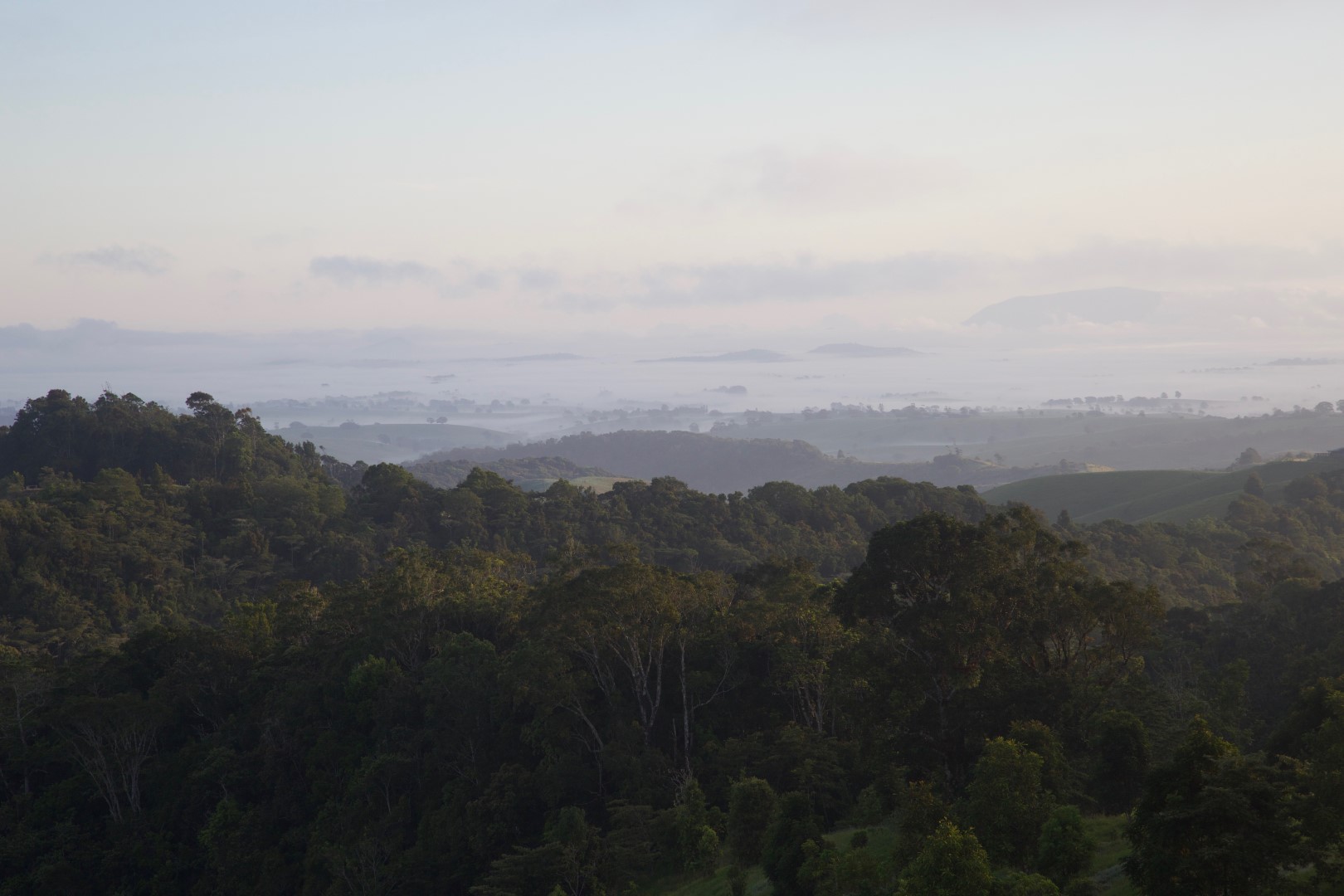
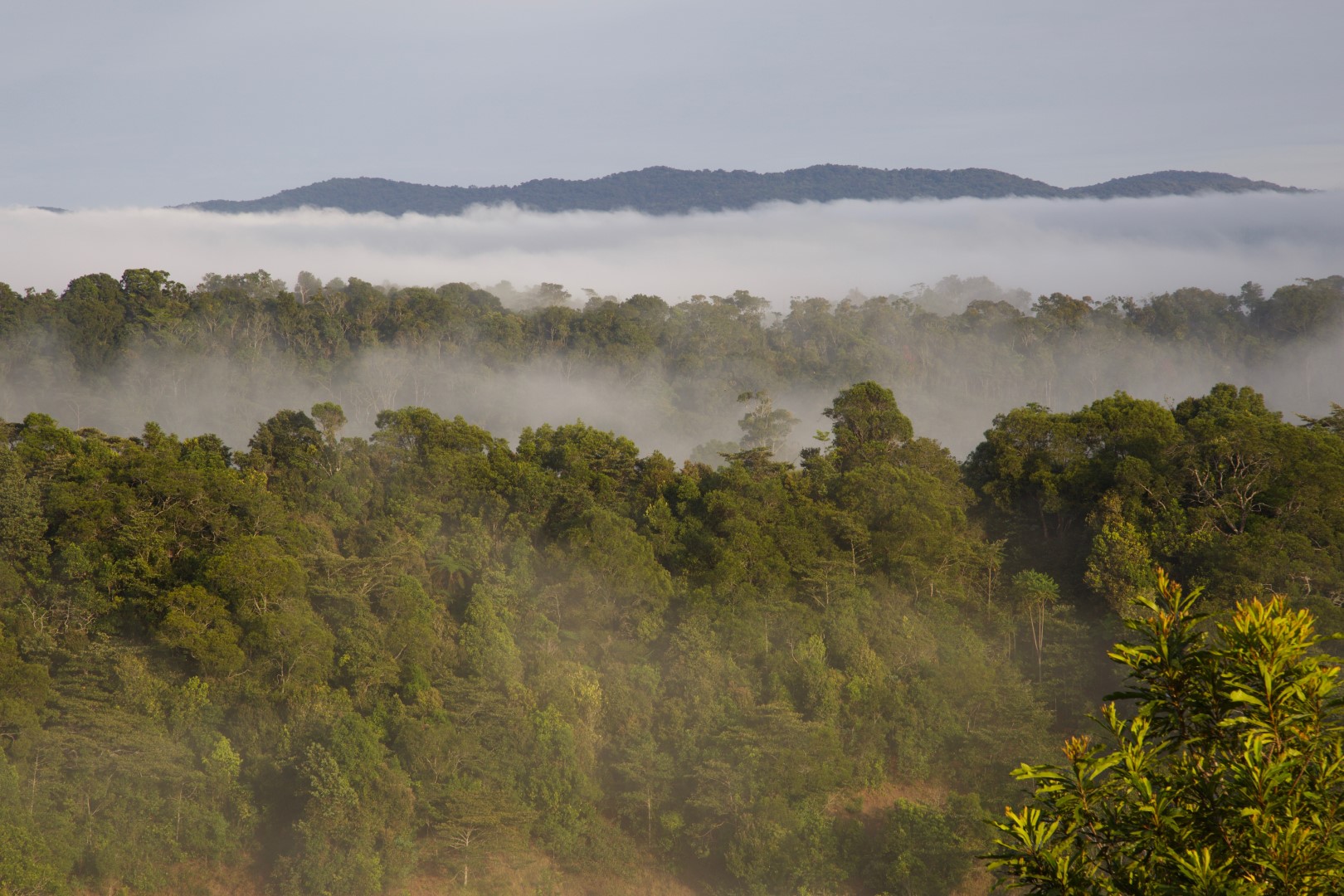
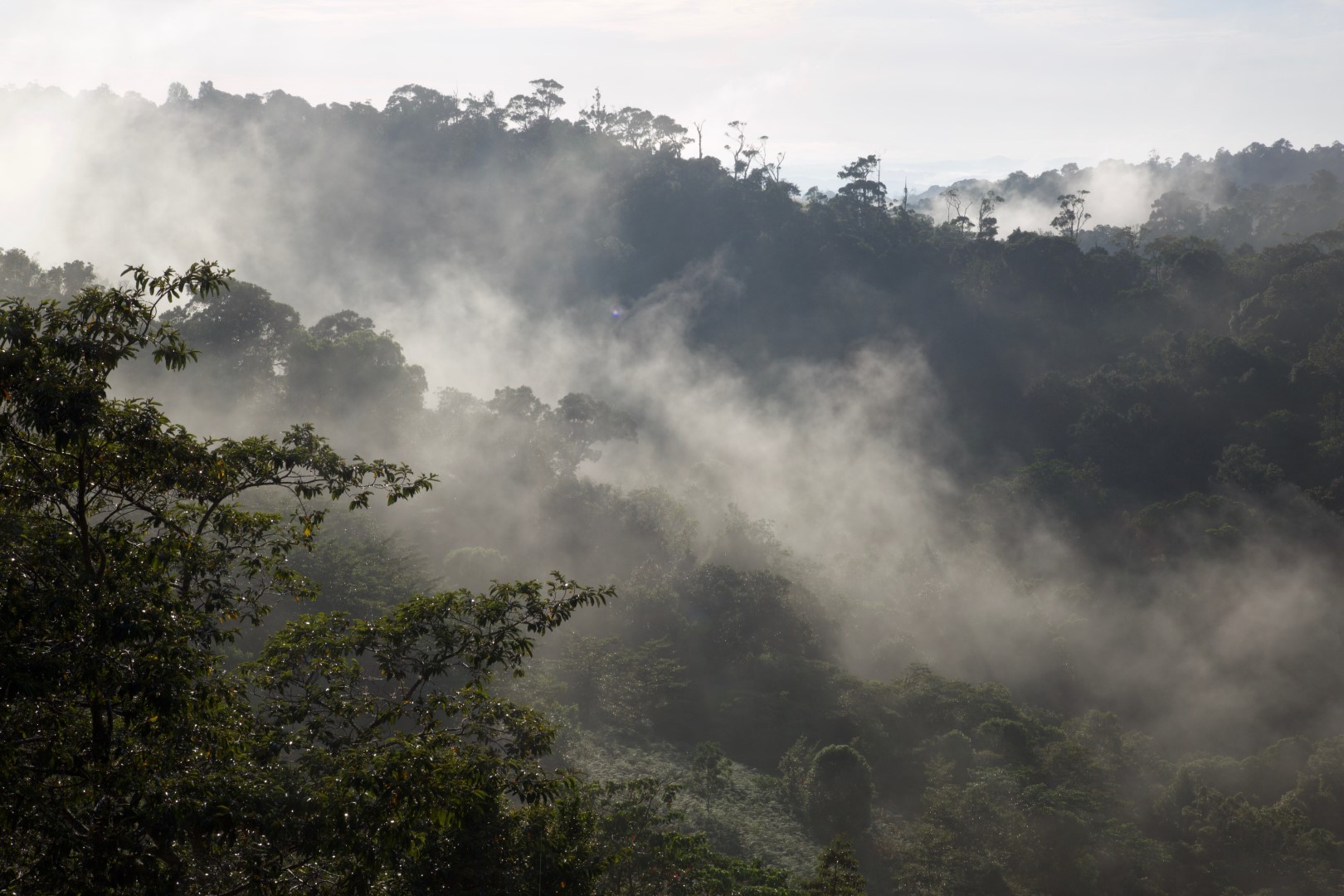
The Thiaki Rainforest Restoration was registered in June 2014 and is located in the wet tropics region of Queensland. This project establishes permanent plantings of a mix of native tree species on land that was cleared of forest for at least five years prior to the project having commenced. The Thiaki Rainforest Restoration Project has yielded notable benefits by converting degraded grasslands into diverse and thriving rainforests. These benefits underscore the project’s effectiveness in not only effective carbon sequestration but also enhancing ecosystem functions such as increasing biodiversity and nutrient cycling.
Community Impact
The project’s landowners have collaborated with multiple Australian research institutions on an initiative aimed at cost-effective rainforest restoration. This effort united scientists and researchers to restore former agricultural land.
Project partners included: the Biodiversity Fund, Australian Research Council, University of Queensland, Adelaide University, Charles Darwin University, and Cambridge University.
Biodiversity Impact
Biodiversity benefits include creating habitats for native species and improving ecosystem services. The project uses mixed native species rather than monoculture plantations, which has shown to be more effective in enhancing biodiversity and ecosystem resilience. This method supports various taxa and helps in the recovery of plant species diversity and community composition in secondary rainforests.
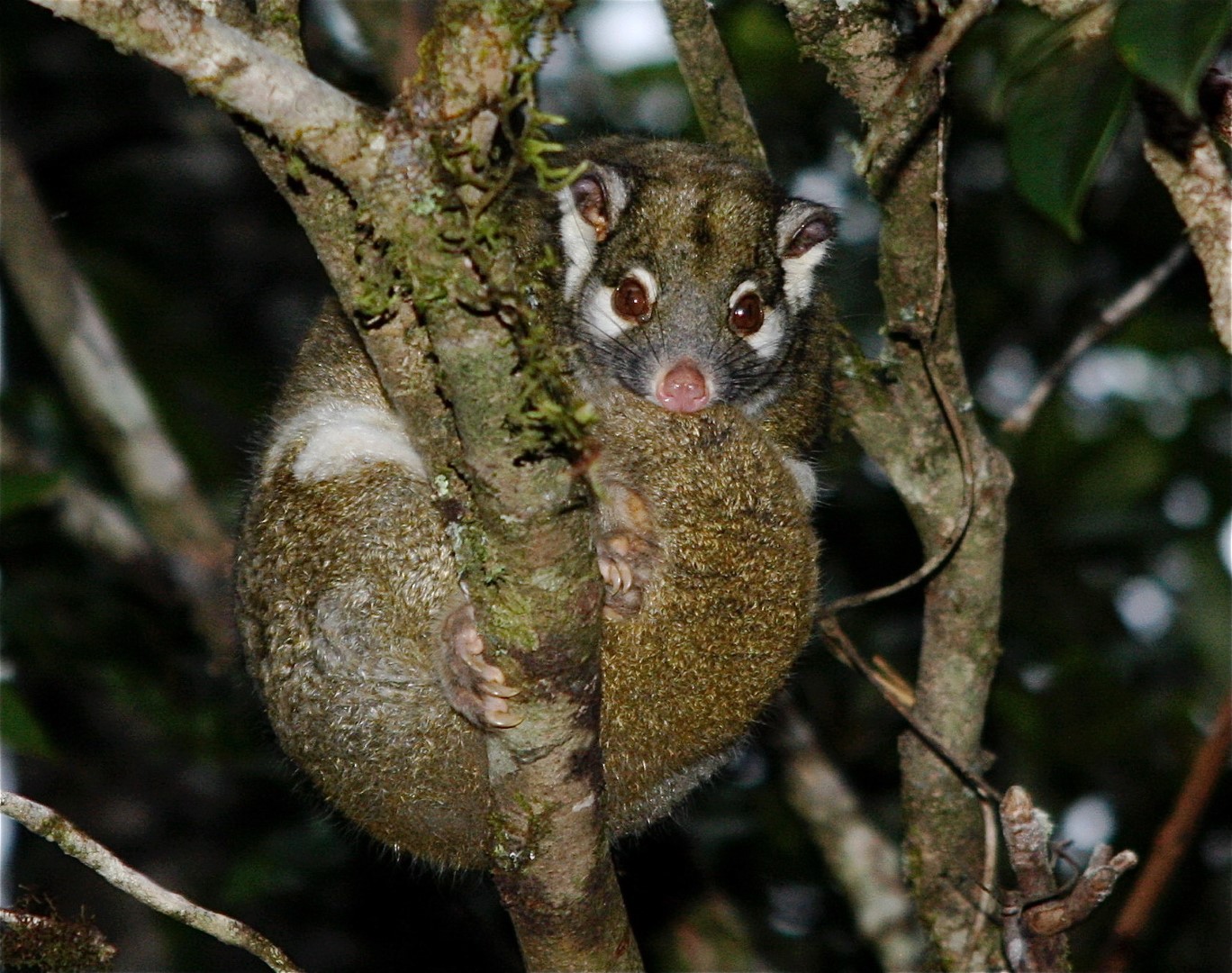
The habitat supports numerous native species, including the Southern Cassowary, Lumholtz Tree Kangaroo, various rainforest ringtail possum species, and endemic bird species found in North Queensland rainforests. The project sits at the headwaters of the Johnstone River that runs into the Great Barrier Reef. Thiaki establishes a wildlife corridor across the landscape that links to a World Heritage rainforest, allowing the movement of native animals impacted by climate change.
Real and Lasting Impact
Permanence: The project has a permanence period of 100 years. According to the methodology, any disturbance events like disease or fire within the project area are systematically monitored and documented. Any occurrence of these events is accounted for in a reduction of0252 the carbon credits issued. Plantings are carefully established and maintained for permanent growth, utilizing native species well-suited to the local environment. Satellite analysis of the project area indicates successful plantings and initial forest cover. Additionally, consistent with all sequestration projects registered under the ERF, a 5% risk of reversal buffer serves as an insurance mechanism.
Additionality: The methodology of this project determines additionality and establishes the baseline scenario. The project area must encompass land that has been cleared of forest for at least 5 years prior to the project’s initiation. Specifically, Thiaki comprises of fragmented remnant rainforest and previously cleared land used for beef cattle grazing. While most of the clearing occurred over 50 years ago, some areas were cleared as recently as 1978-79. According to the methodology, the baseline carbon stock is zero, representing the amount of carbon the project’s carbon estimation area (CEA) would have contained without intervention. Additionally, the project must demonstrate that it is not mandated by any Commonwealth, state, or territorial government law. Meeting these criteria confirms the project’s additionality.
Leakage: In the context of reforestation projects, leakage refers to the risk that project activities will generate native forest cover decline outside the project area. Leakage risks are considered negligible for reforestation projects.
Sustainable development goals
This project contributes to the following United Nations Sustainable Development Goals