Product Data
Reducing emissions from deforestation and forest degradation (REDD+)
Verified Carbon Unit (VCU)
Verified Carbon Standard
VM0007 REDD+ Methodology Framework
Multiple project IDs. Available on request or provided at retirement
2019, 2020, 2021, 2022, 2023, 2024, 2025
3: Good Health and Well-Being
4: Quality Education
5: Gender Equality
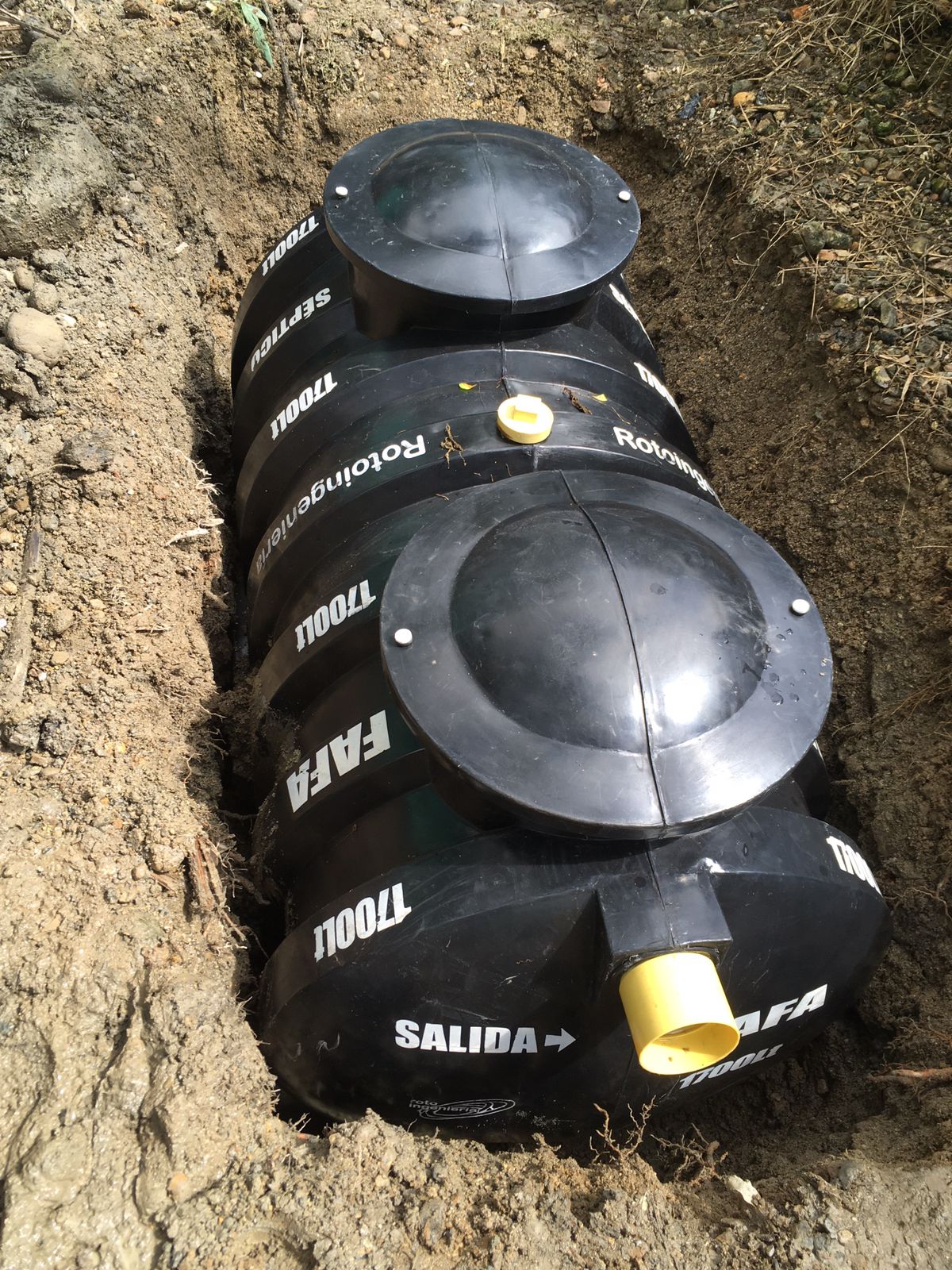
6: Clean Water and Sanitation
7: Affordable and Clean Energy
13: Climate Action
15: Life on Land
17: Partnership for the Goals
Project Details
Why we support this project
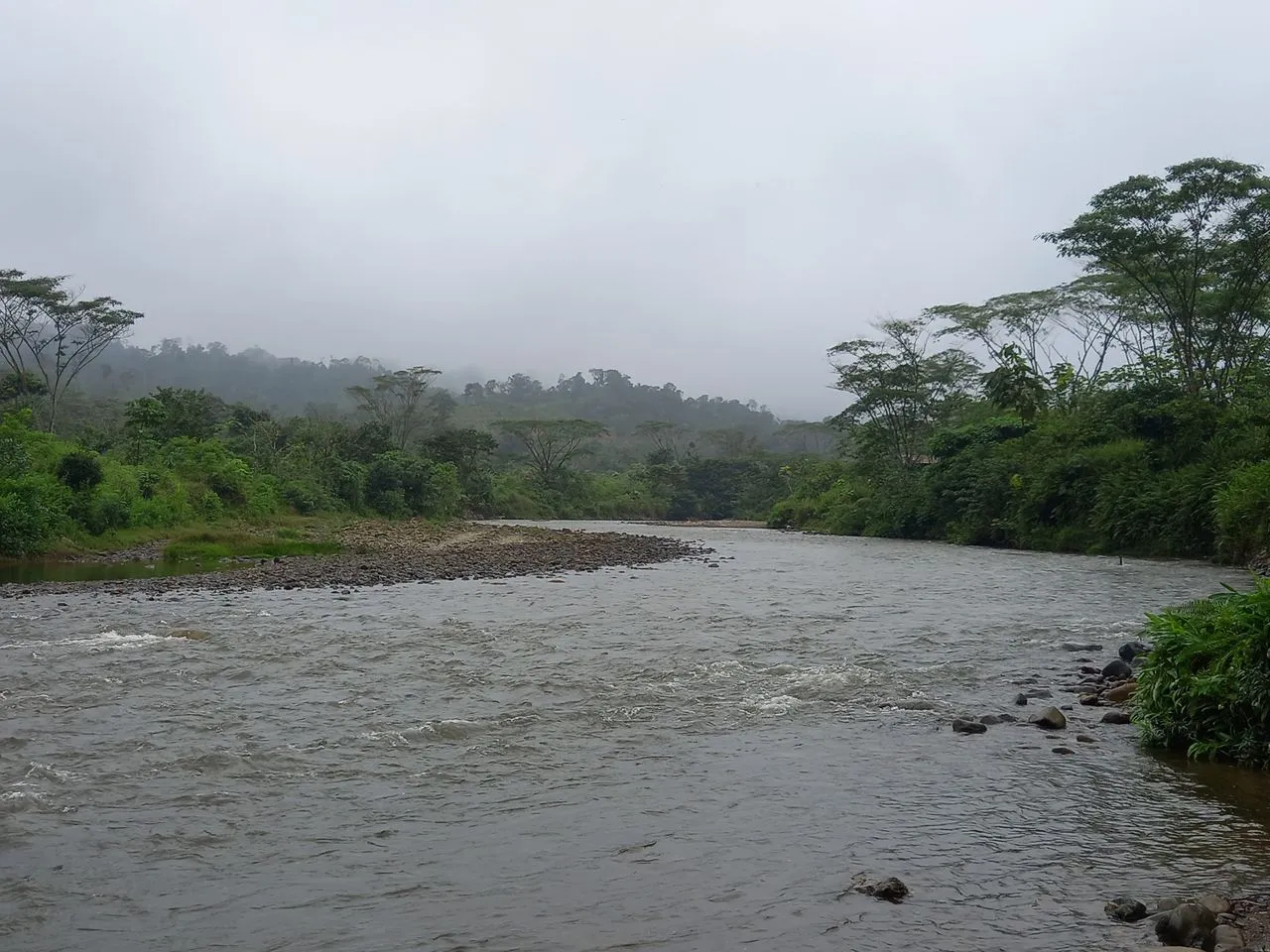
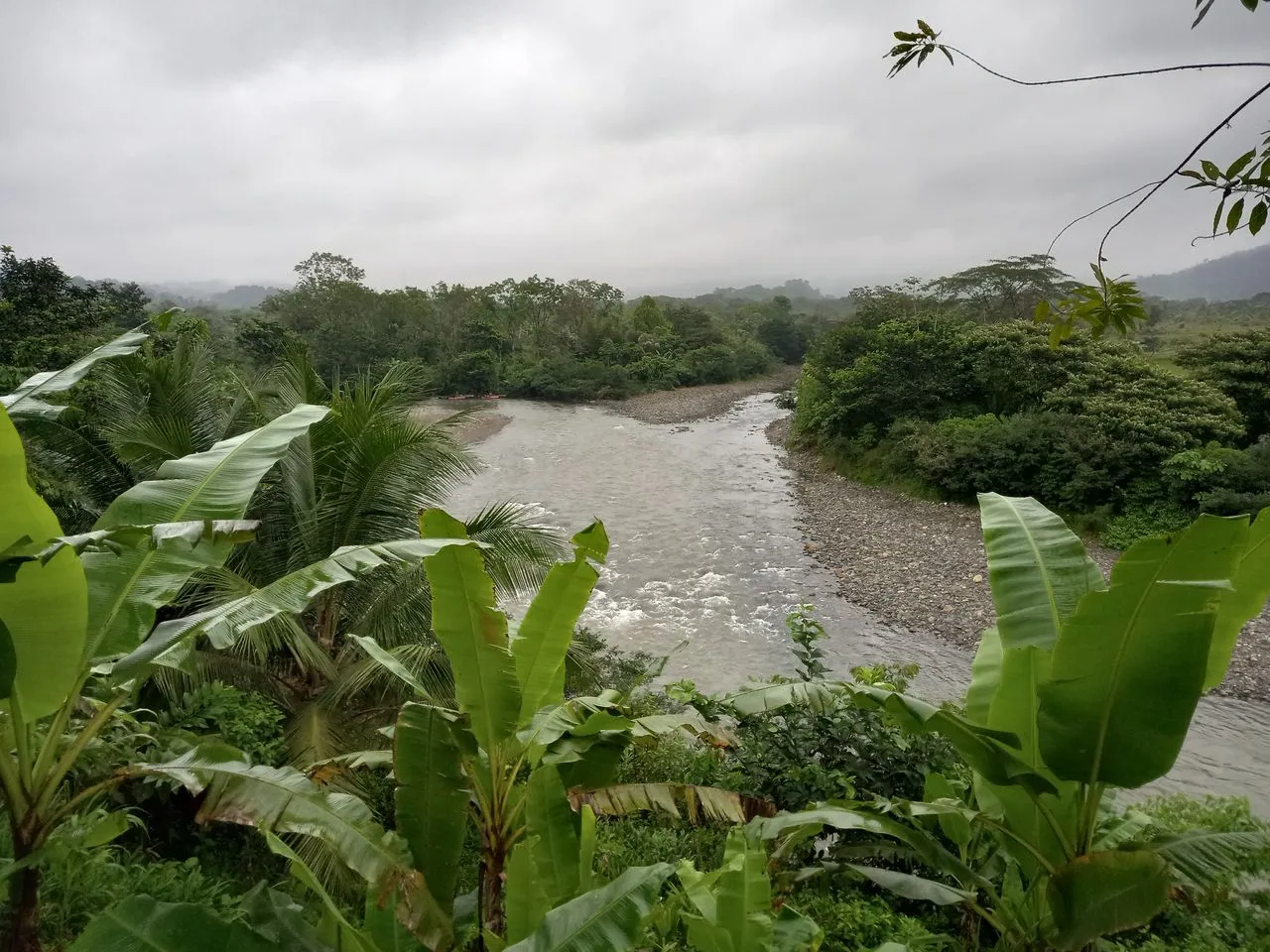
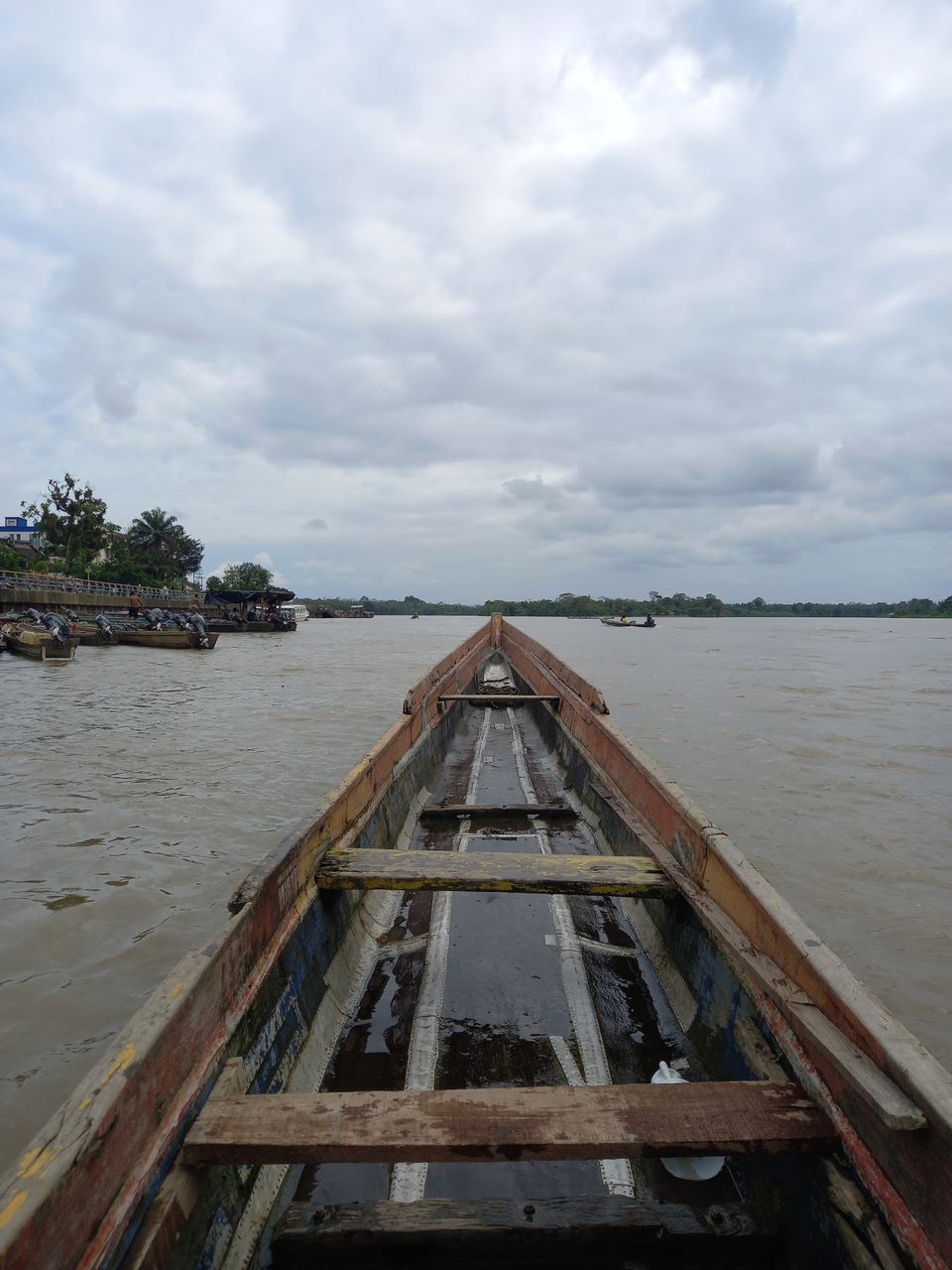
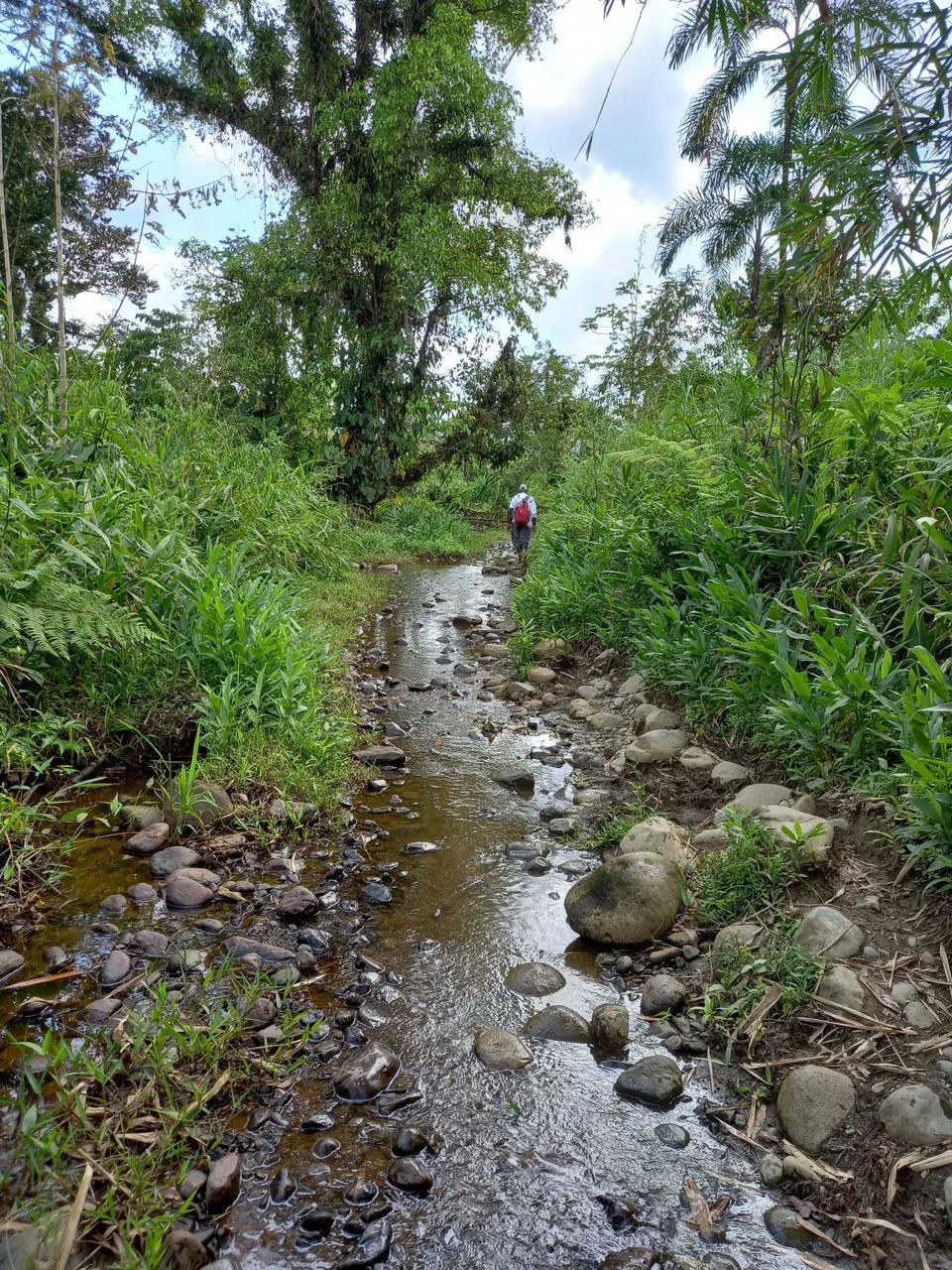
The Condoto Project protects 46,191 ha of tropical rainforest in Chocó, Colombia, an area threatened by deforestation from mining, agriculture, and illegal activities. It reduces CO₂ emissions, restores degraded land, and promotes sustainable forest management. The project also addresses social challenges by supporting governance, economic development, and environmental protection in Afro-descendant community territories.
The Condoto Project is also certified under Verra’s Climate, Community & Biodiversity (CCB) Standards, highlighting its strong positive impacts on both people and nature.
Real and Lasting Impact
Permanence: As per VCS method requirements, the proponents assessed risks to the project’s long-term sustainability, resulting in a 10% buffer allocation to safeguard against potential non-permanence.
Three main risk categories were identified and addressed:
- Climate risks: High rainfall and proximity to water bodies pose flooding, pollution, and extreme weather risks. The project mitigates these by protecting natural forests and reducing ecosystem degradation.
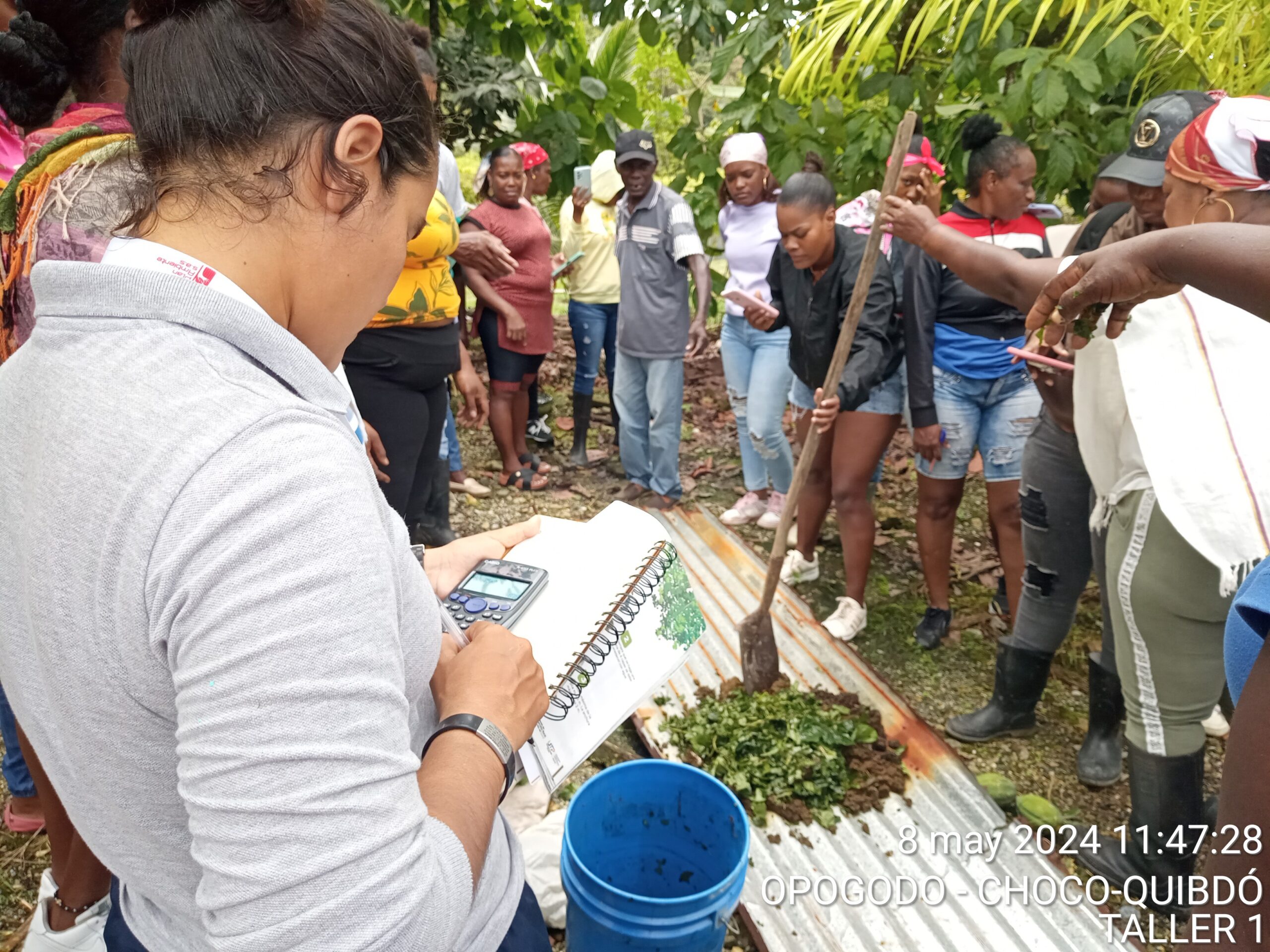
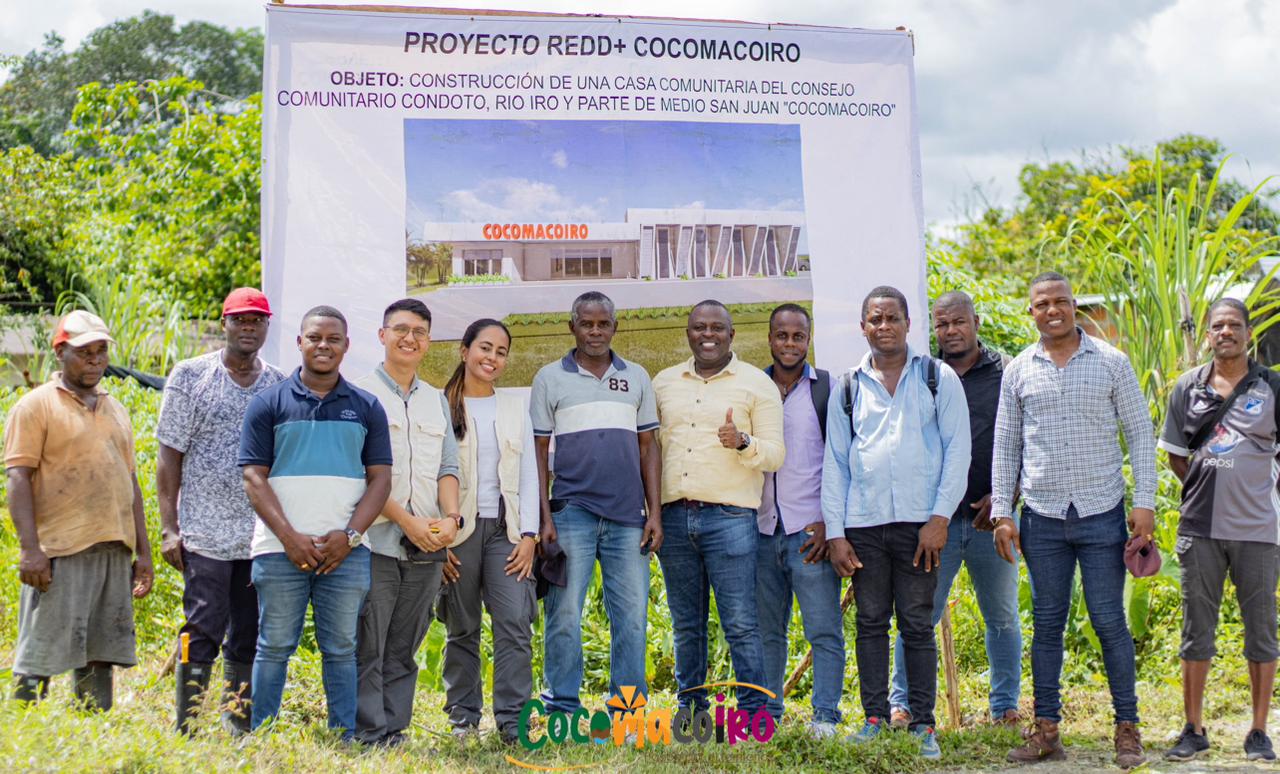
- Community risks: Challenges such as weak governance, economic instability, and lack of engagement could threaten permanence. To counter this, the project includes strong community participation and capacity-building initiatives.
- Biodiversity risks: Sustainable land-use practices and active forest protection help prevent environmental degradation and maintain ecosystem stability.
By proactively addressing these risks, the project ensures long-term carbon storage and sustained environmental and social benefits.
Additionality: Additionality refers to whether the emission reductions or removals would have occurred without revenue from the sale of carbon credits. A baseline analysis for the Condoto REDD+ Project identified that, without the project, deforestation would continue due to illegal mining, logging, agricultural expansion, and livestock farming—activities that remain the primary income sources for the community. It was found that investment and social barriers would not prevent continued forest degradation and that the project is not common practice – no similar large-scale initiatives exist in the region to address deforestation.
Because the local Afro-descendant and Indigenous communities lack the financial and governmental support to implement such conservation efforts independently, the project’s interventions—such as sustainable land-use planning, governance support, and biodiversity monitoring—are not business-as-usual. Therefore, the project is additional, as these critical activities would not occur without REDD+ funding.
Leakage: The project addresses leakage by defining a leakage belt and implementing a targeted leakage mitigation strategy in accordance with VCS requirements.
To prevent displacement of deforestation, the project applies three key mitigation strategies:
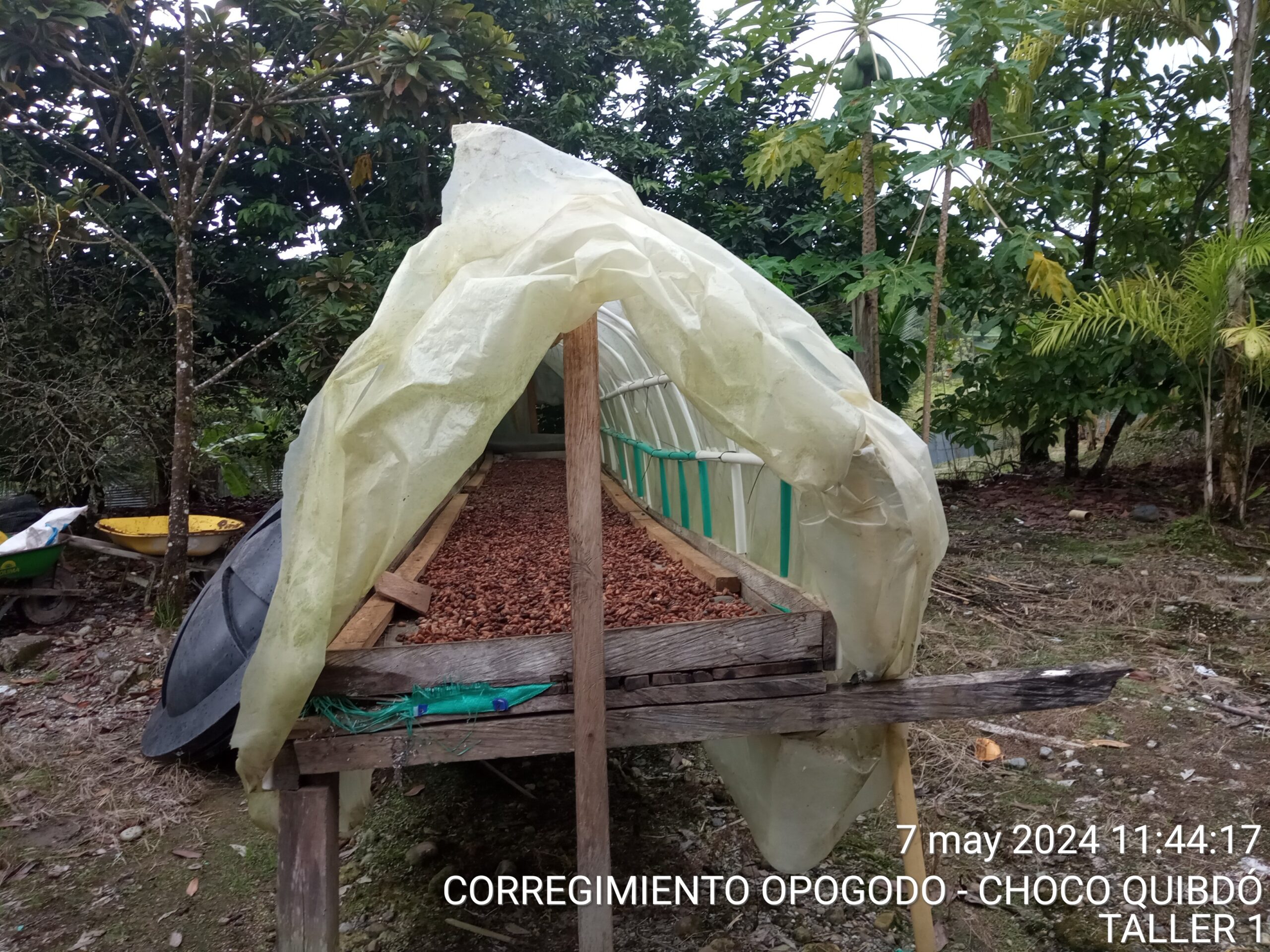
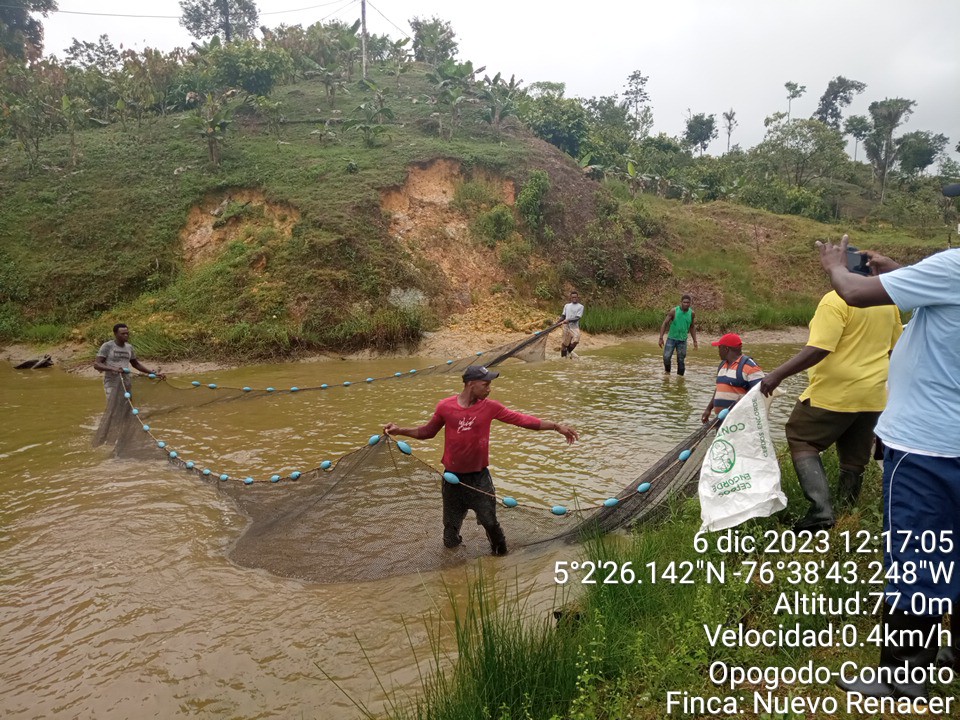
- Sustainable livelihoods: Introducing productive activities that improve socio-economic conditions, reducing reliance on deforestation-driven income.
- Governance strengthening: Enhancing local governance structures to promote sustainable land management and prevent unauthorized land-use change.
- Forest patrols: Establishing monitoring systems to detect and deter illegal activities that could shift deforestation outside the project boundaries.
The auditor’s validation report confirmed that leakage was properly assessed, justified, and aligned with VCS standards, ensuring the project’s overall climate impact remains credible.
Sustainable development goals
The project helps to address the following United Nations Sustainable Development Goals