Product Data
Reducing emissions from deforestation and forest degradation (REDD+)
Verified Emission Reduction (VER)
Gold Standard
VM0007 REDD+ Methodology Framework
VCS1477
2020, 2021
1: No Poverty
2: Zero Hunger
3: Good Health and Well-Being
4: Quality Education
5: Gender Equality
6: Clean Water and Sanitation
8: Decent Work and Economic Growth
13: Climate Action
15: Life on Land
16: Peace, Justice and Strong Institutions
17: Partnership for the Goals
Project Details
Why we support this project
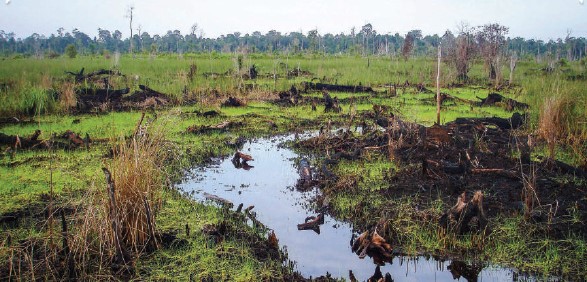
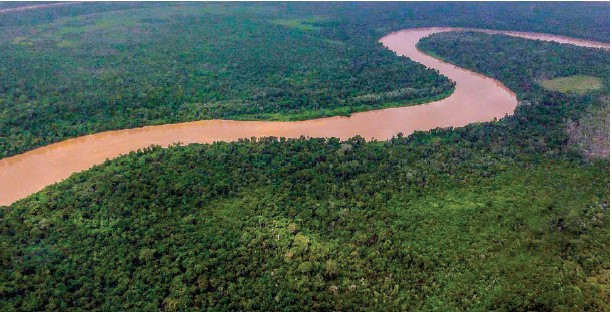
The largest program of its kind, the Katingan Mentaya Project protects vital peatland in Central Kalimantan, Indonesia. Located squarely within a state designated production forest, the project area was planned to be cleared and converted to an industrial acacia plantation.
Who we work with
This project was founded and is managed by PT Rimba Makmur Utama (RMU). RMU focuses on nature-based solutions in Indonesia to protect and restore natural, social and economic ecosystems. Since 2013, RMU has been managing the Katingan Mentaya Project, which was established in 2017 in response to the climate crisis. RMU’s strong belief that the peat forest of Kalimantan, Indonesia, can still be saved and restored by providing local communities with a sustainable source of income is the massive driver behind this project and has even led to other initiatives to help reduce emissions and give back to local communities.
Community Impact
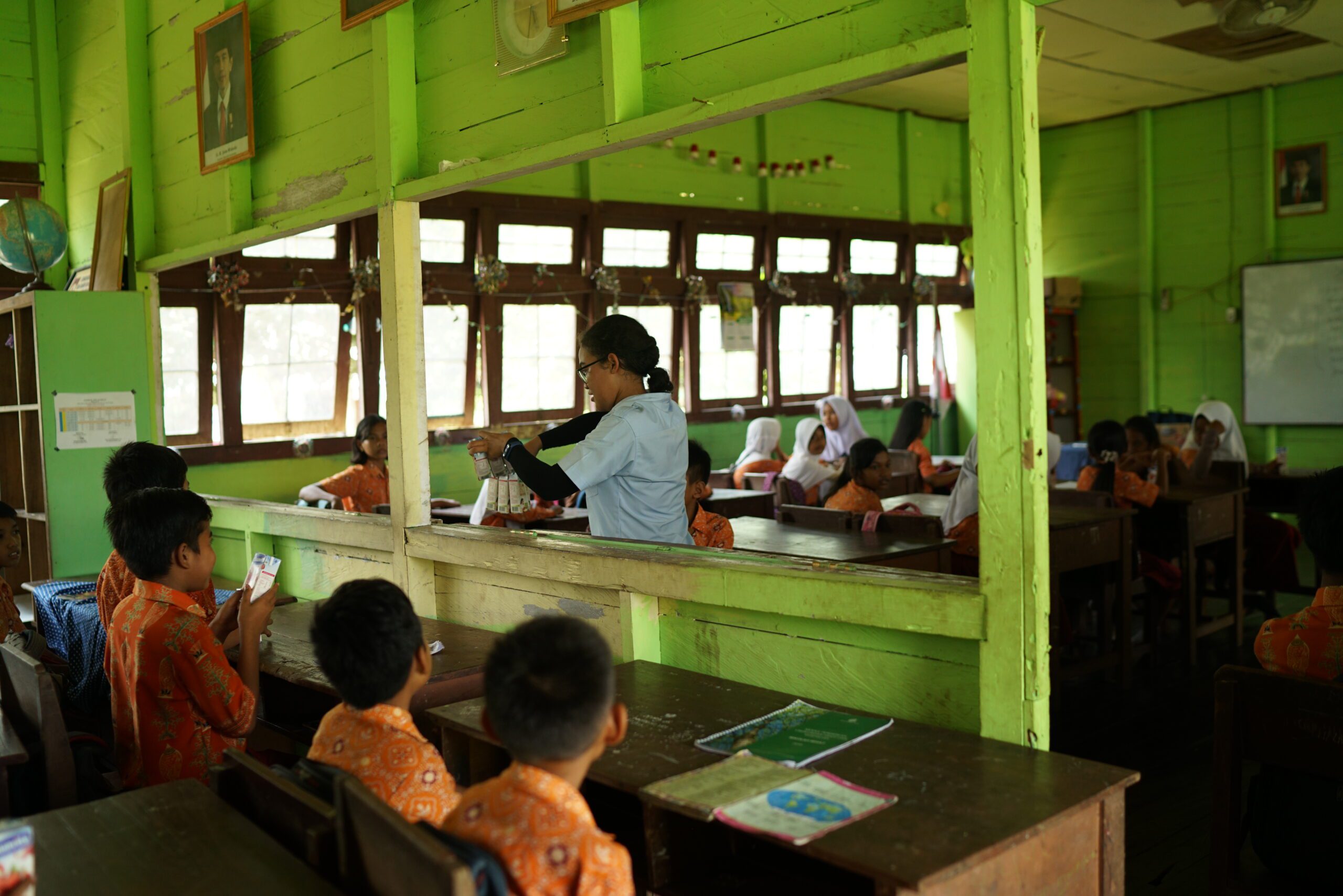
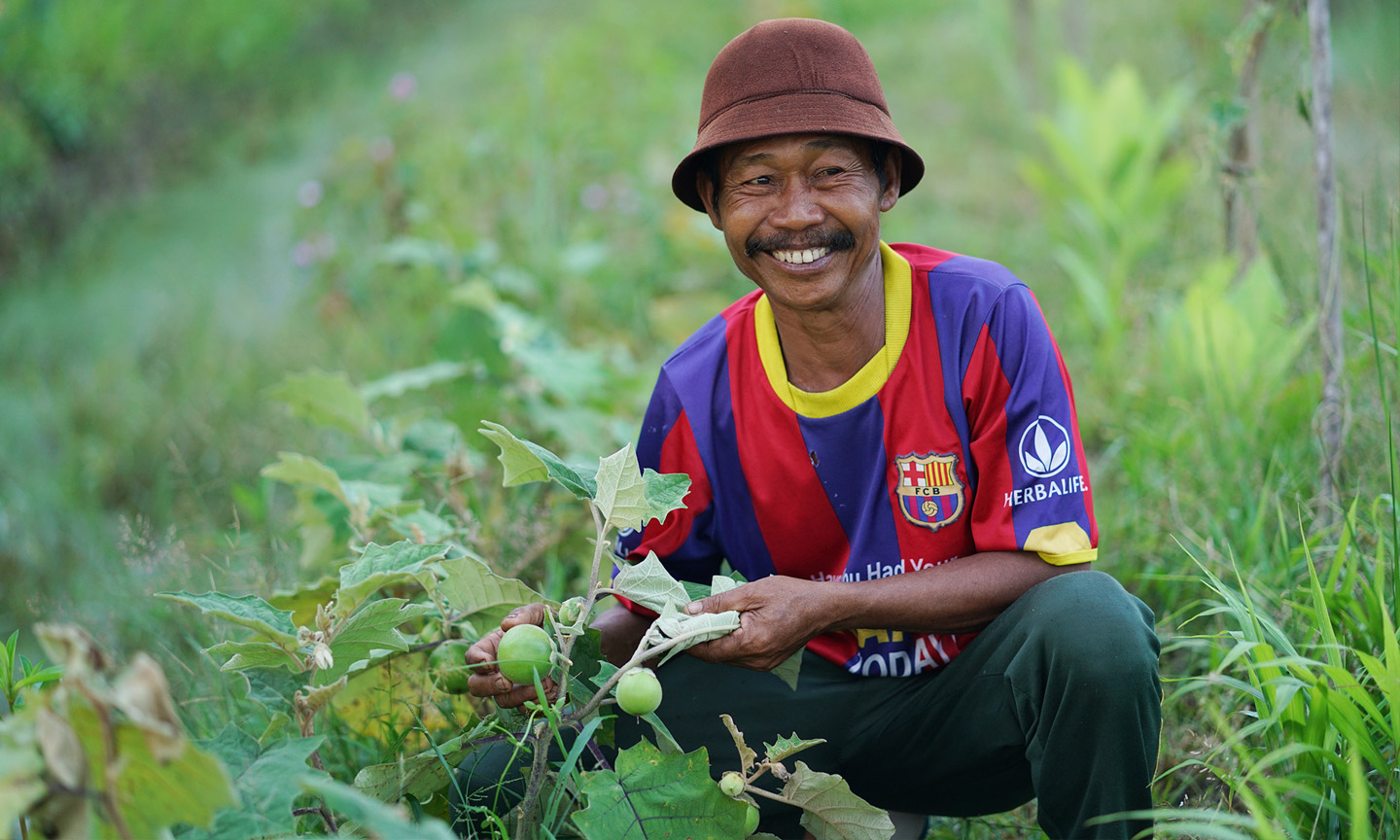
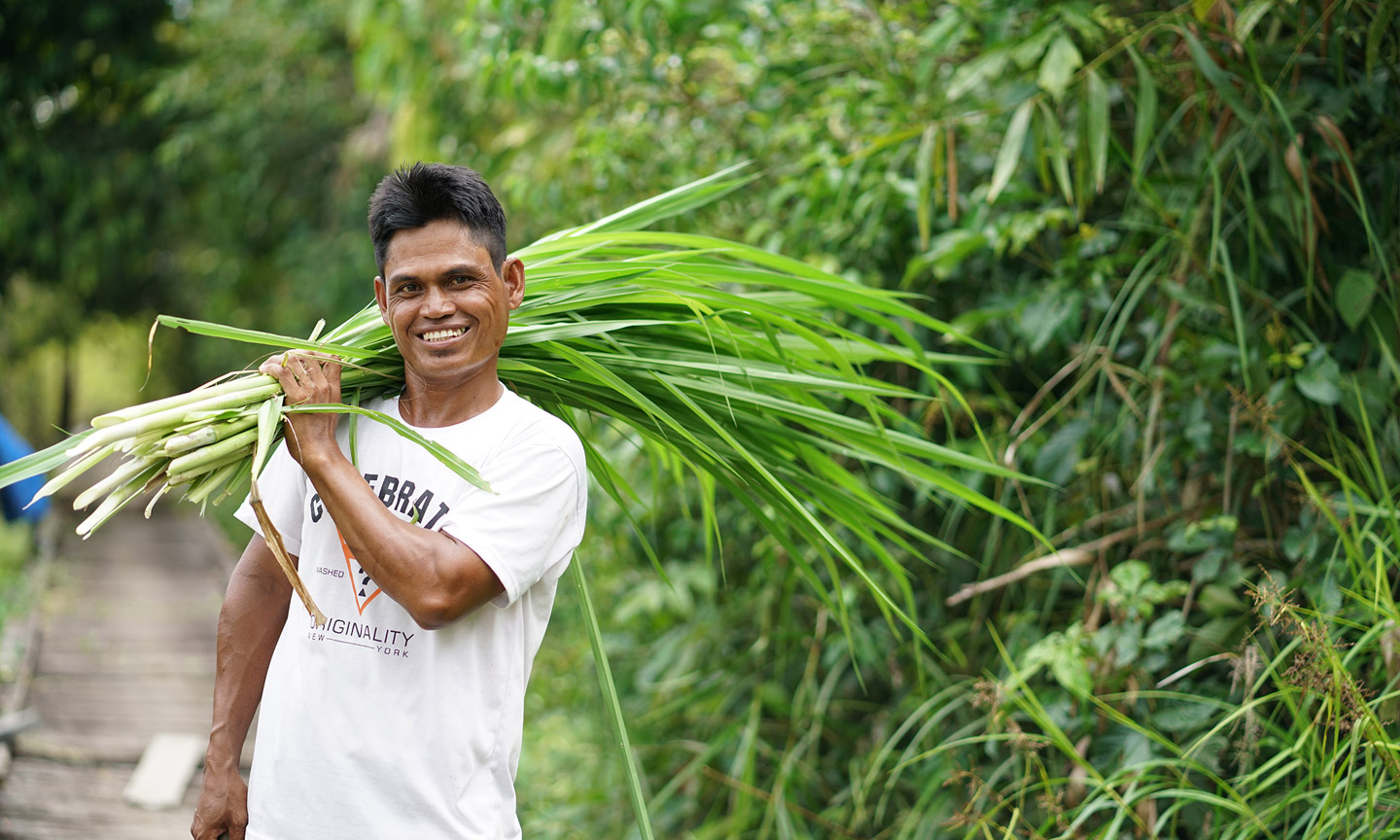
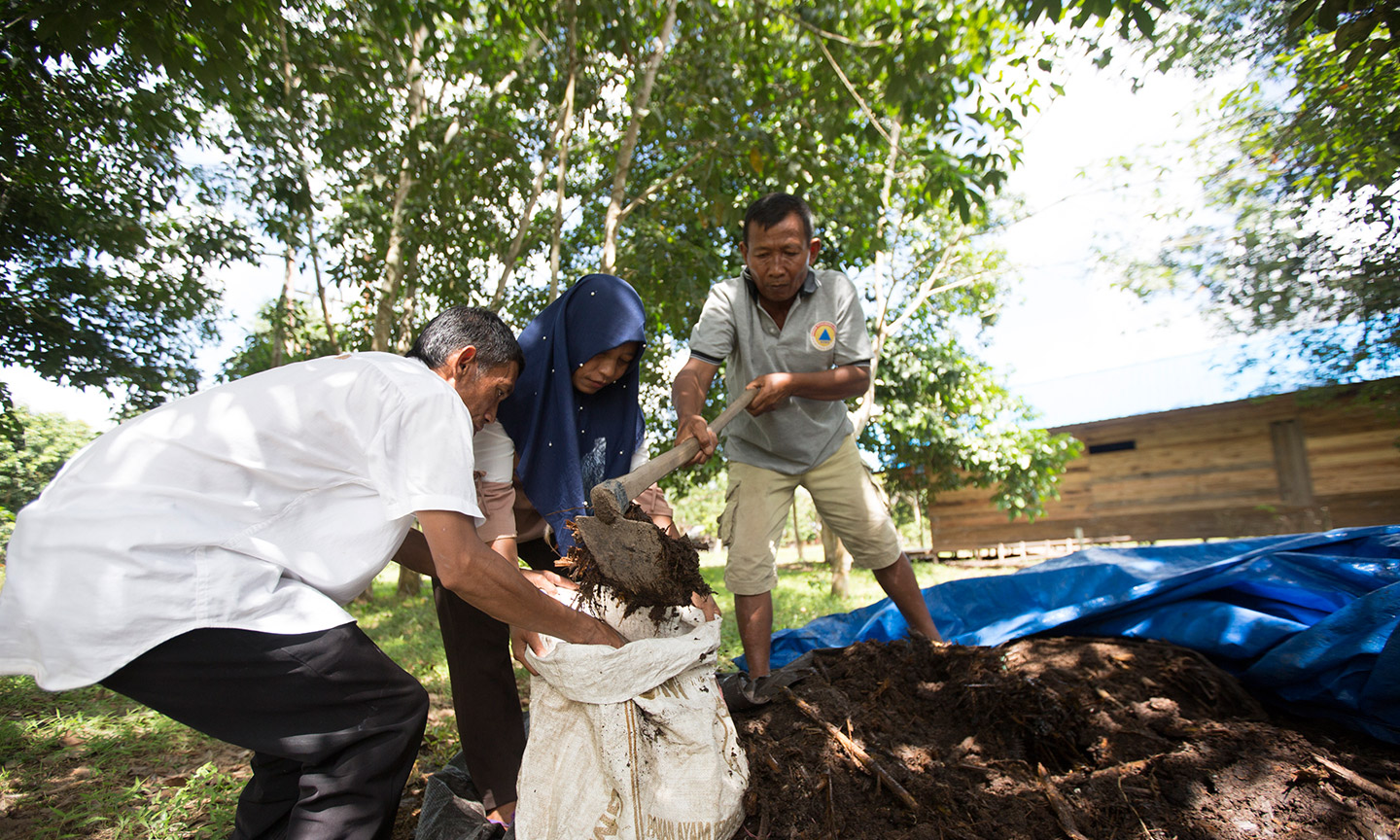
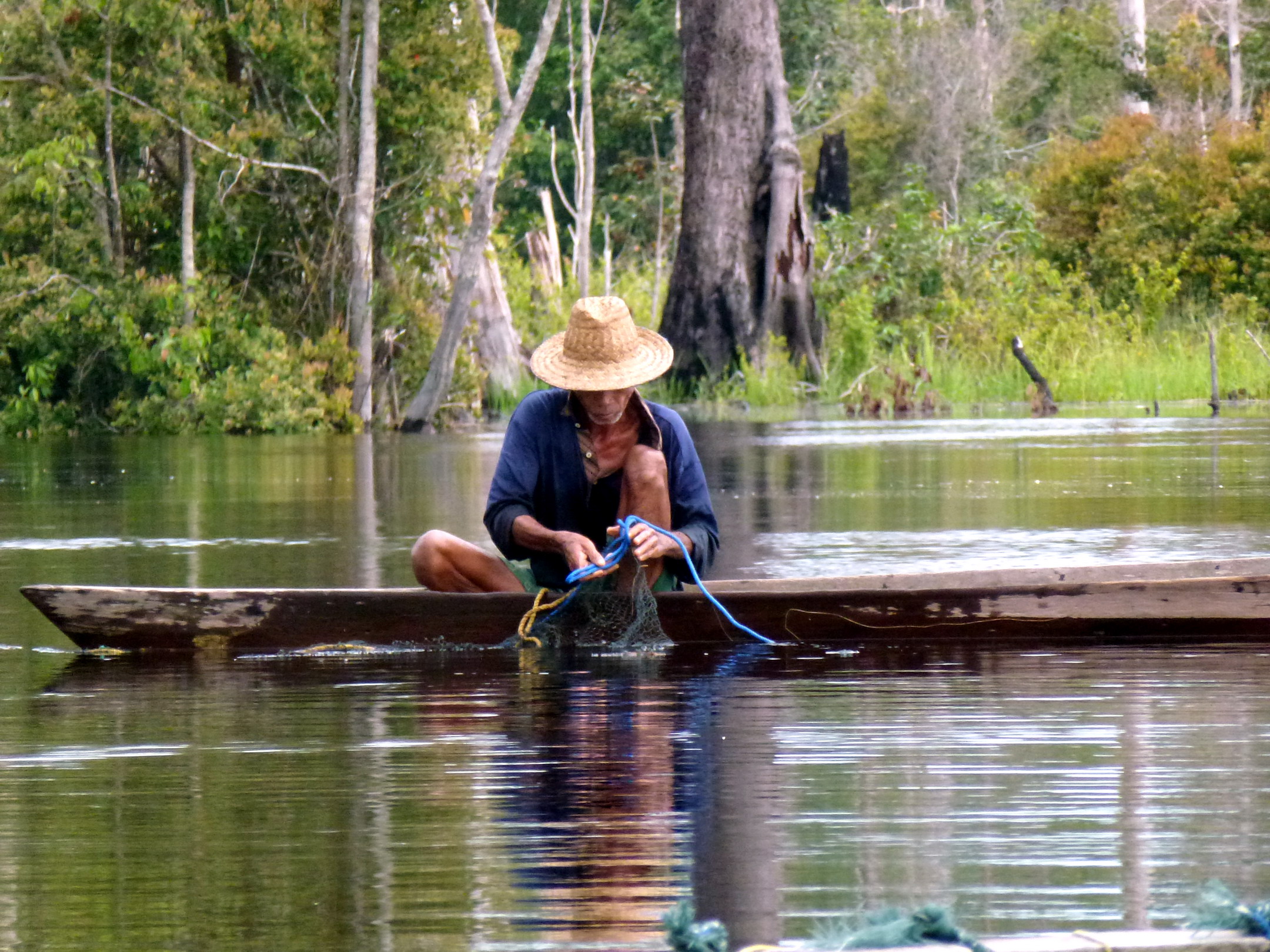
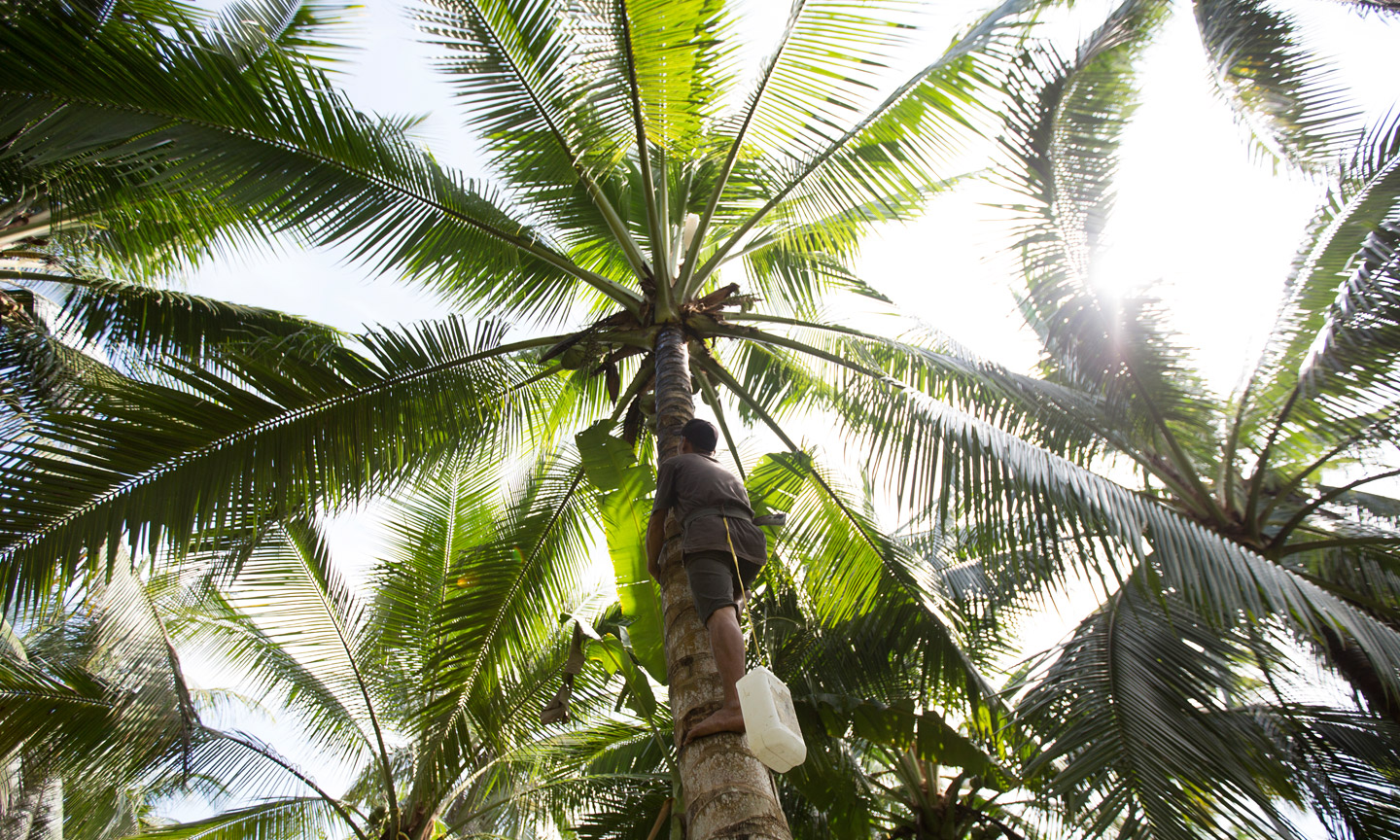
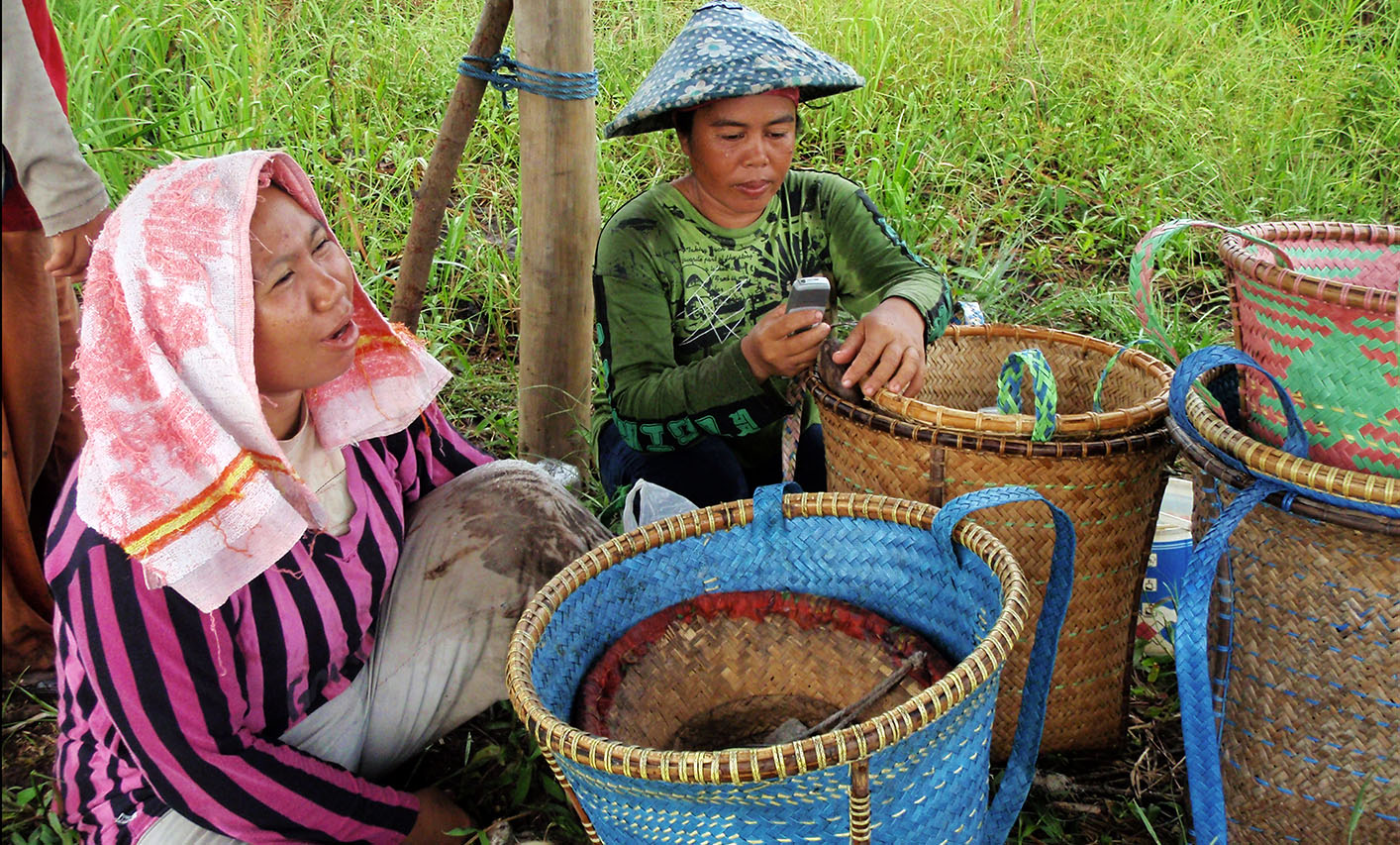
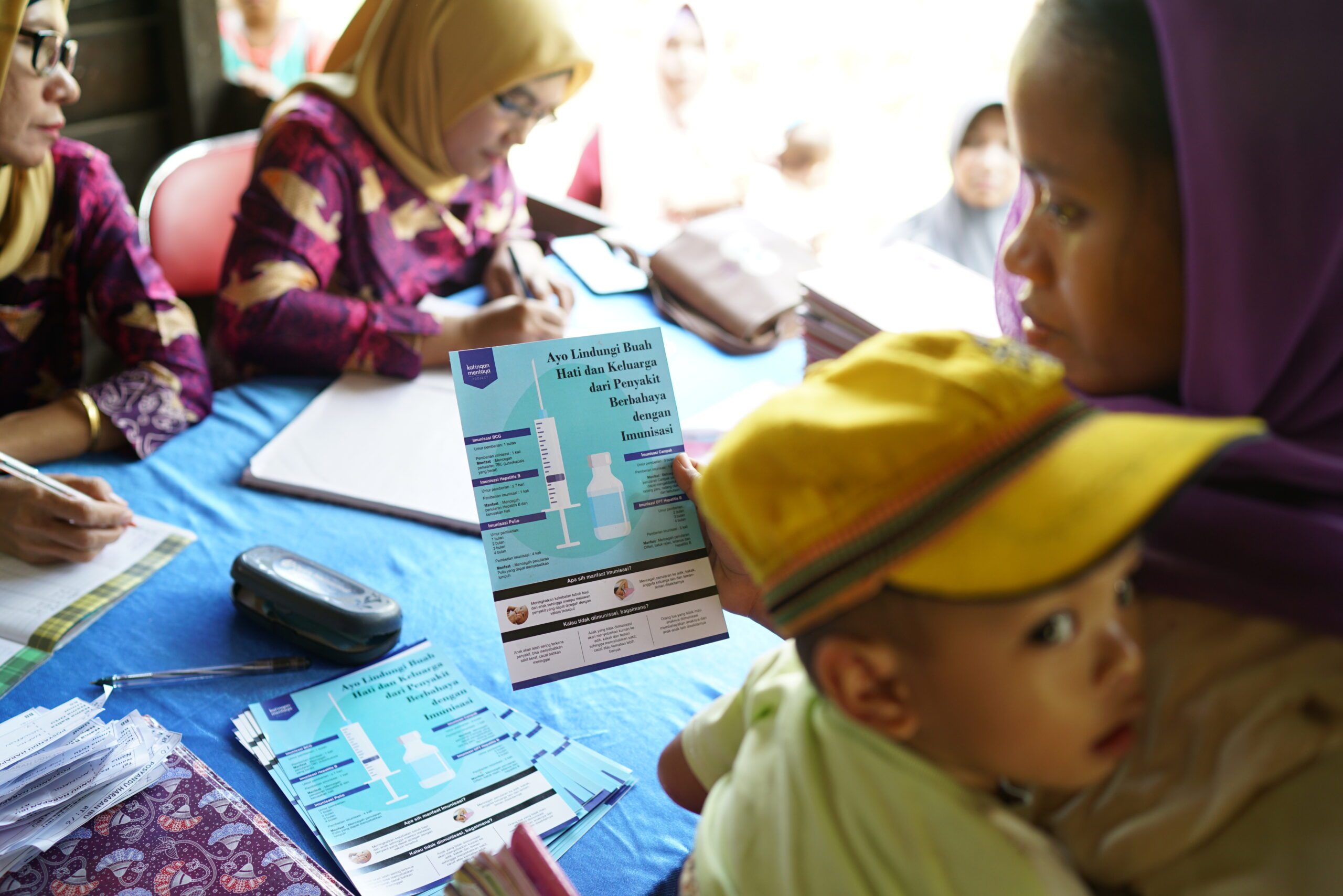
In partnership with 34 local villages, the project aligns with sustainable development initiatives by building community capacity, increasing employment and education. By fostering inclusive partnerships and a culture of nature connection and sustainability in local communities, the project serves to reduce poverty, enhance the wellbeing of communities, and reorient deforestation trends and their destructive environmental and climate impacts.
The Katingan Mentaya Project is living proof that carbon finance can combat climate change. The largest program of its kind, it generates an average 7.5 million triple gold certified carbon credits annually; equivalent to taking 2,000,000 cars off the road each year. In partnership with local communities, the project utilises carbon revenues to ensure natural forest restoration and protection.
Biodiversity Impact
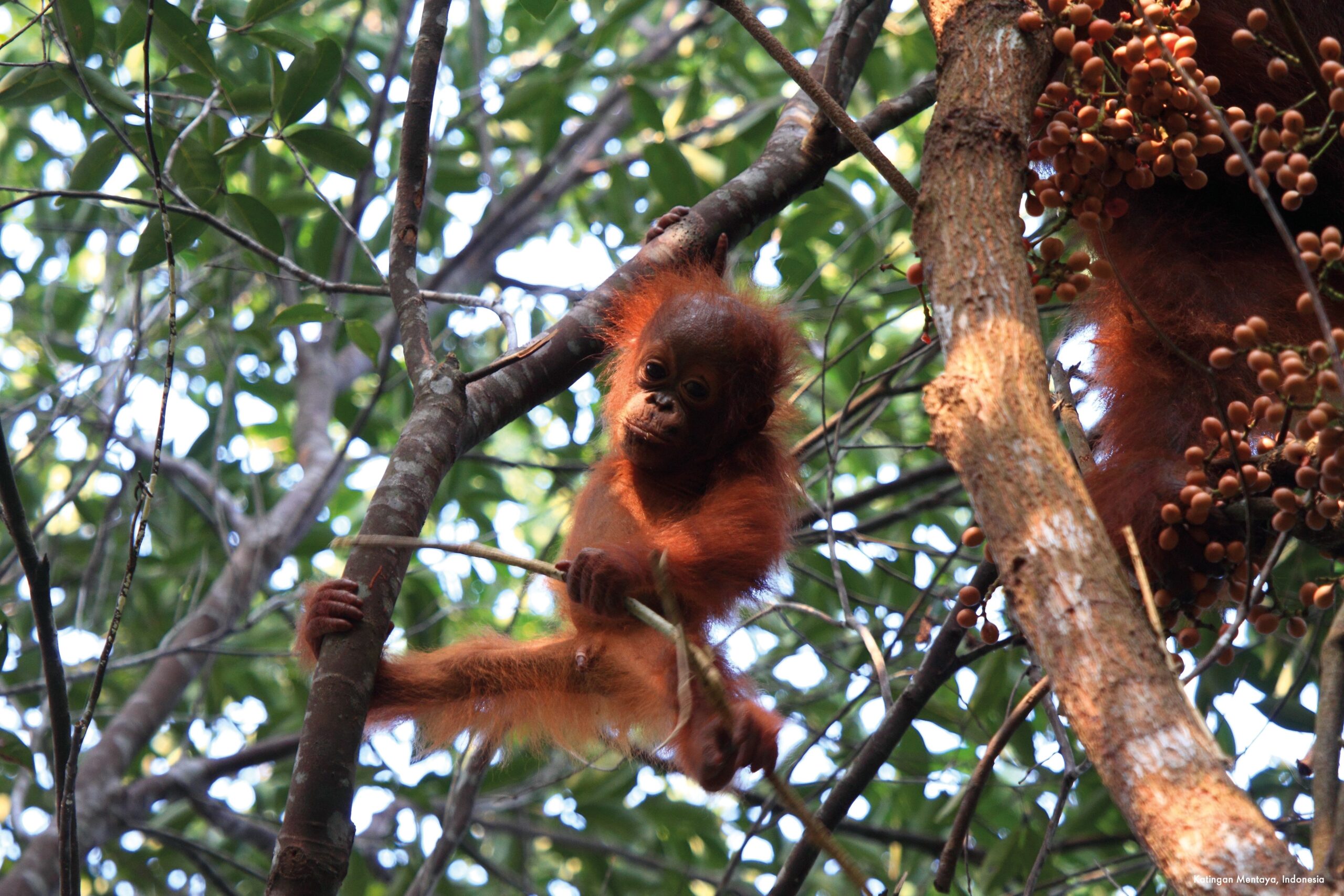
The project activities deliver vital biodiversity conservation outcomes. The project protects vital peatland habitats in Central Kalimantan, Indonesia, for five Critically Endangered, eight Endangered and 31 Vulnerable species. The protected area is home to between 5 and 10% of the global populations of the Bornean Orangutan, Proboscis Monkey and Southern Bornean Gibbon.
Real and Lasting Impact
Permanence: Project activities must generate permanent reductions and removals in GHG emissions. This requires that the carbon sequestered and stored within the project area will not be released due to unmitigated risk factors such as forest fires, extreme weather events, pest and disease outbreaks and land tenure disputes that result in deforestation. The project actively mitigates risks to the permanence of GHG reductions and removals.
Additionality: A project is additional if the GHG emissions reductions and removals would not occur without the implementation of the project activities. Prior to the establishment of the project, the land area was legally designated as production forest, and conversion to industrial acacia plantation was the most likely land-use scenario. The project activities prevent planned deforestation, restore wetlands and reforest small compartments – all of which would not occur in the absence of the project. Therefore, the project GHG emissions reductions and removals are additional.
Leakage: In the context of REDD+ projects, leakage refers to the displacement of deforestation and forest degradation from within the project area to outside of the project area. The project must identify and account for all potential sources of leakage including (but not limited to) activity shifting of avoided planned deforestation and the displacement of agricultural activities by applying a leakage factor to the net emissions calculation, which essentially discounts the total issuance of carbon.
Sustainable development goals
This project meets the following United Nations Sustainable Development Goals