Product Data
Renewable Energy
Verified Emission Reduction (VER)
Gold Standard
ACM0002 - Grid-connected electricity generation from renewable sources
Multiple project IDs. Available on request or provided at retirement
2015, 2016, 2017, 2018, 2019, 2020, 2021, 2022, 2023, 2024, 2025
7: Affordable and Clean Energy
8: Decent Work and Economic Growth
13: Climate Action
Project Details
Why we support this project
In addition to reducing greenhouse gas emissions by displacing energy from thermal power plants, the project has also created employment opportunities in the area.
These projects help to secure supplies for rural communities and work with locals to identify infrastructure needs in order to improve connectivity and community facilities.
BeZero, which provides a third-party carbon crediting rating system, gives this project a rating of B.
Real and Lasting Impact
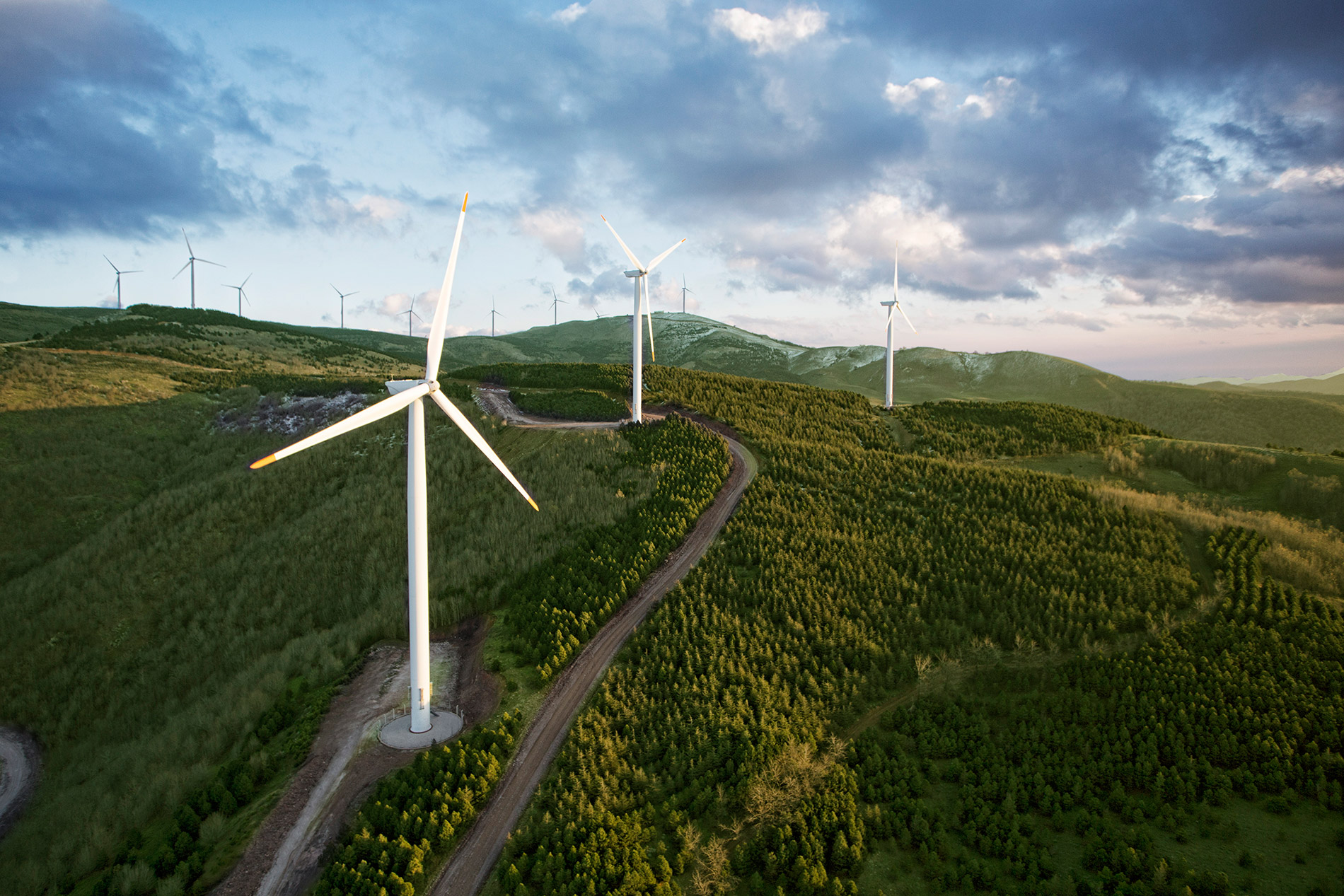
Permanence: Project activities must represent permanent reductions in GHG emissions. These renewable wind energy projects avoid emissions by displacing grid energy supply from fossil-fuel generation sources. Avoided emissions are considered permanent.
Additionality: A project is additional if the GHG emissions reductions would not occur without the intervention of the project activity. For renewable energy projects to meet additionality requirements, an analysis of alternative energy infrastructure development including the expansion of emissions-intensive, fossil-fuel electricity infrastructure is required. The analysis compares the investment financial rate of return (IRR) for the renewable energy project with the relevant benchmark, and all identified alternative projects that could be implemented to meet electricity demand. This comparative analysis determines the financial viability of the renewable energy project compared to alternative fossil-fuel energy projects and indicates whether a project requires income from carbon offsets to be financially viable. It was determined that these renewable energy projects would not achieve a sufficient IRR without the income from carbon offsets. Therefore, the projects are considered additional.
Leakage: In the context of renewable energy projects, leakage refers to the risk that the establishment of the project will generate measurable emissions increases outside the project area. Emissions leakage is very unlikely to occur due to the nature of displacing electricity and avoiding GHG emissions which would have otherwise been generated by fossil fuel sources. As such, renewable energy projects are considered to have negligible leakage risk.
Sustainable development goals
This project meets the following United Nations Sustainable Development Goals