Product Data
Reducing emissions from deforestation and forest degradation (REDD+)
Verified Carbon Unit (VCU)
Verified Carbon Standard
VM0007 REDD+ Methodology Framework
Multiple project IDs. Available on request or provided at retirement
2013, 2014, 2015
4: Quality Education
7: Affordable and Clean Energy
8: Decent Work and Economic Growth
13: Climate Action
15: Life on Land
16: Peace, Justice and Strong Institutions
Project Details
Why we support this project
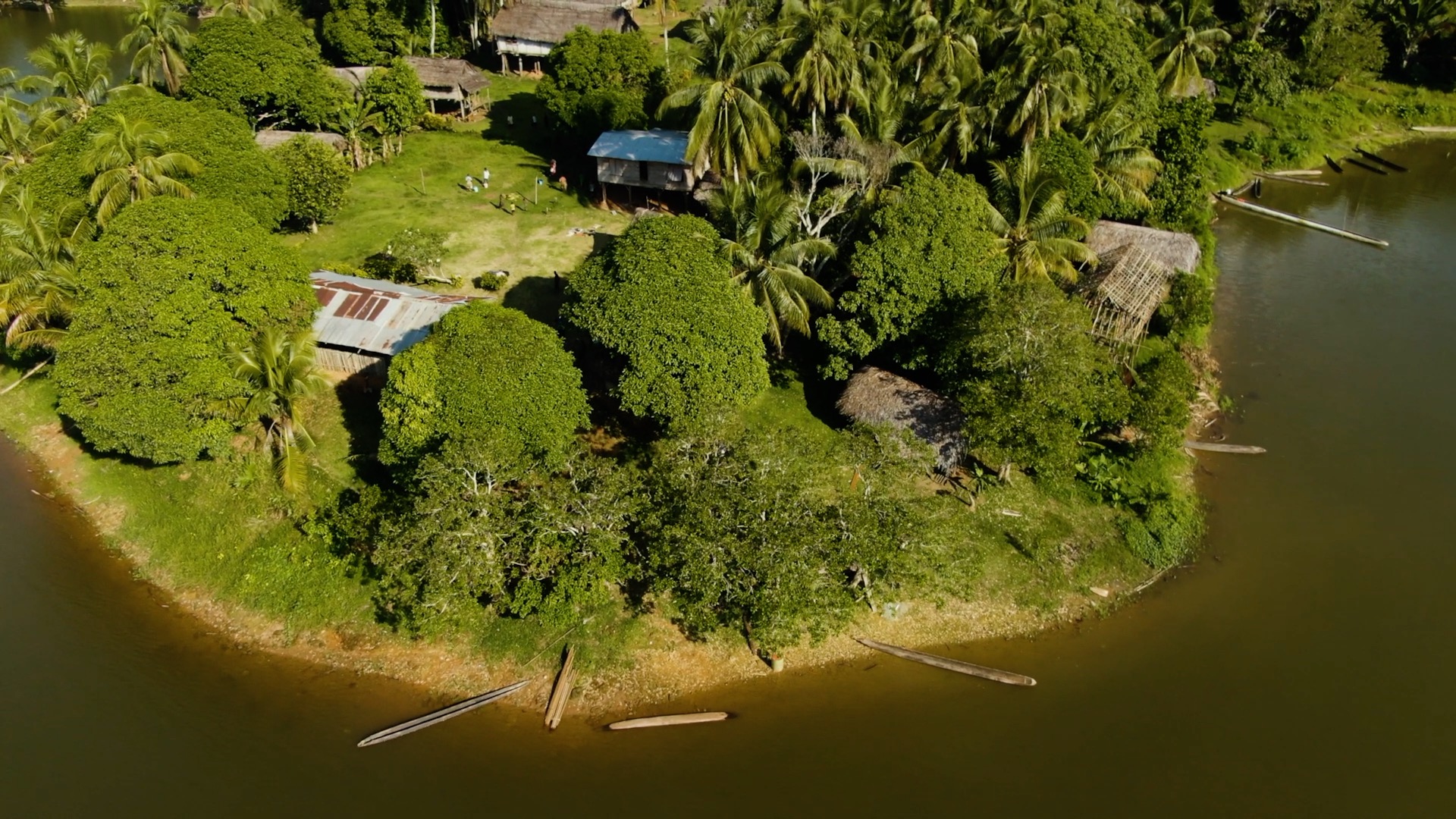
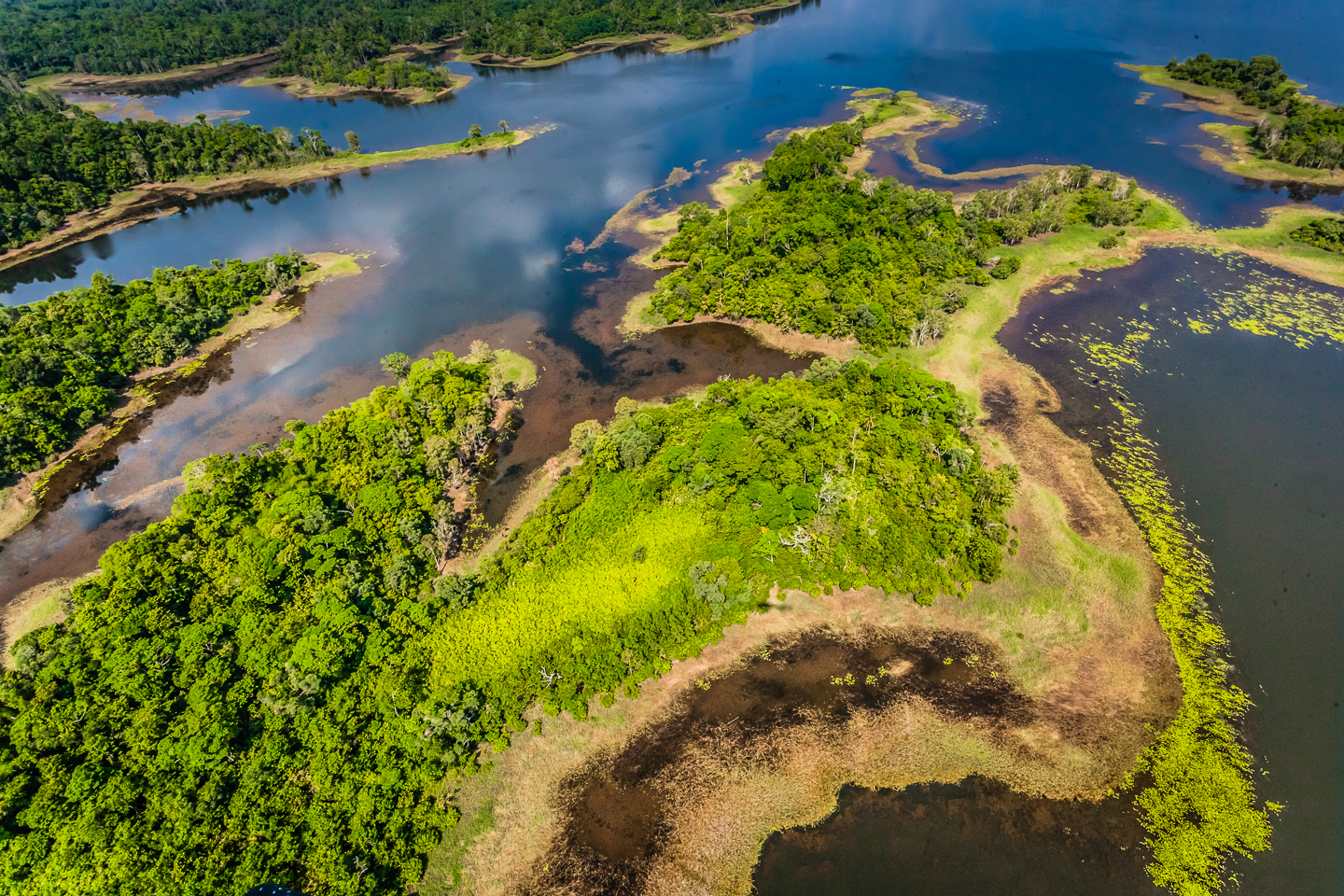
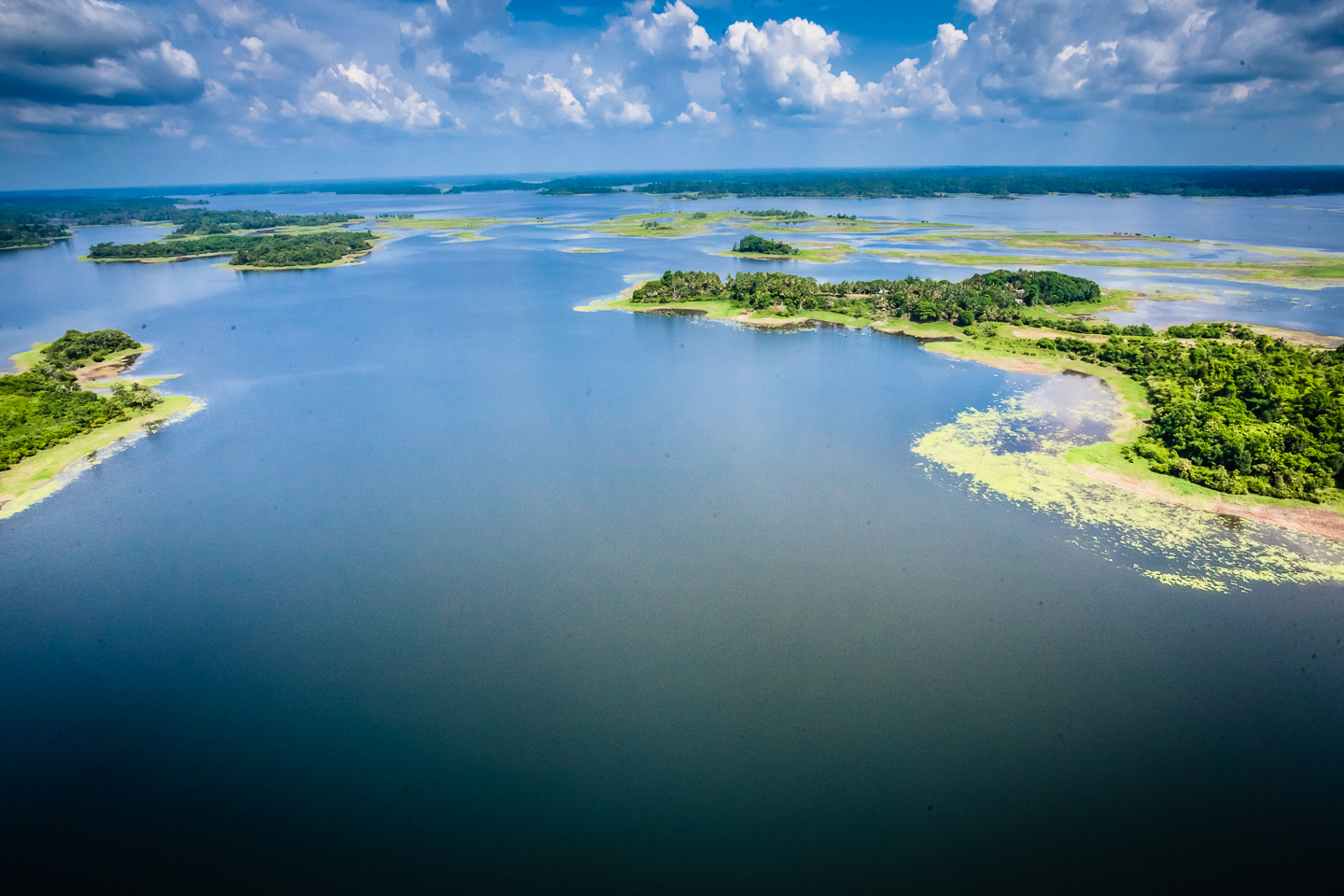
The April Salumei REDD+ project is located in Papua New Guinea, a country which contains ~7% of the world's biodiversity in less than 1% of the world’s total land area.
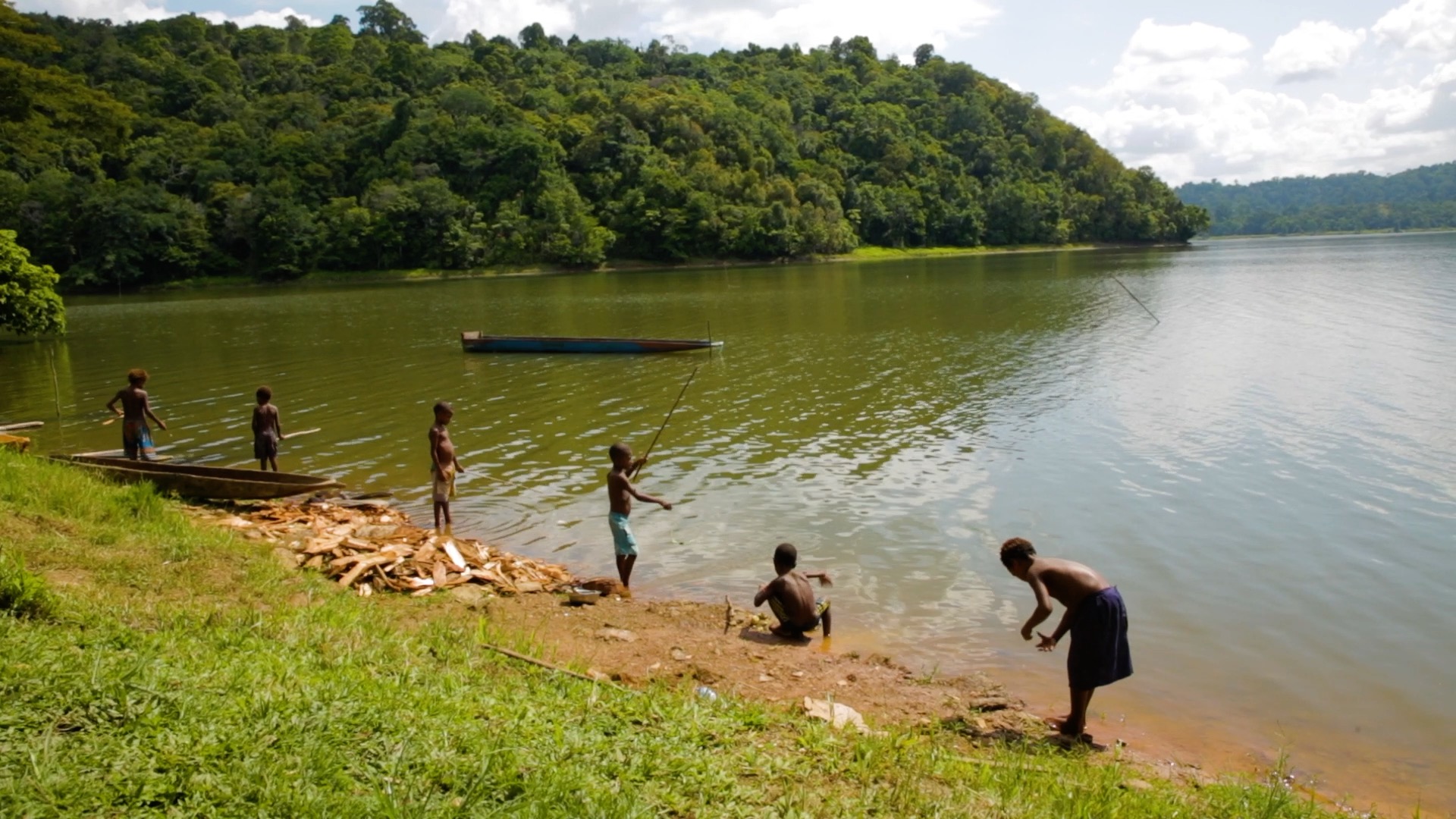
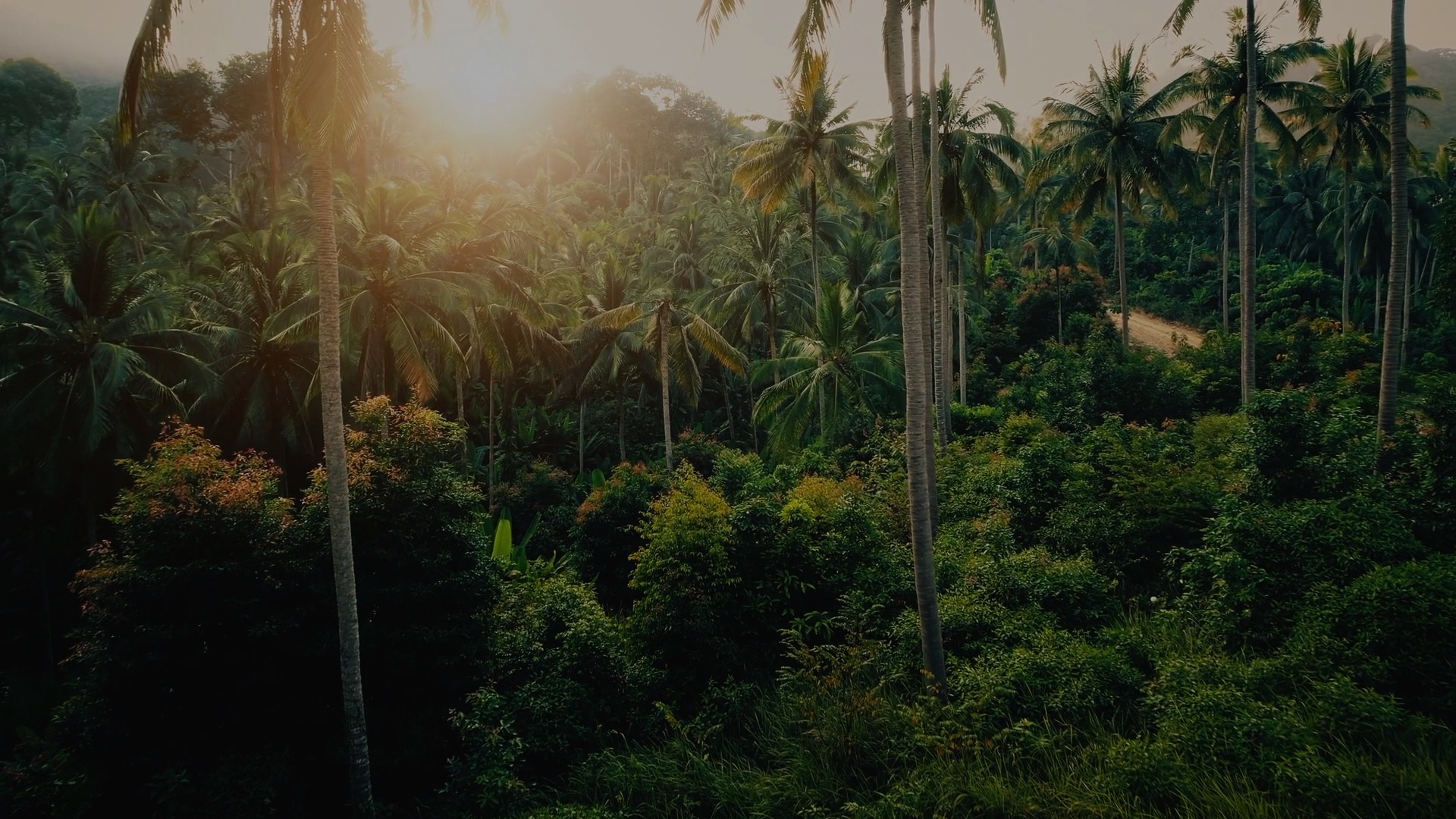
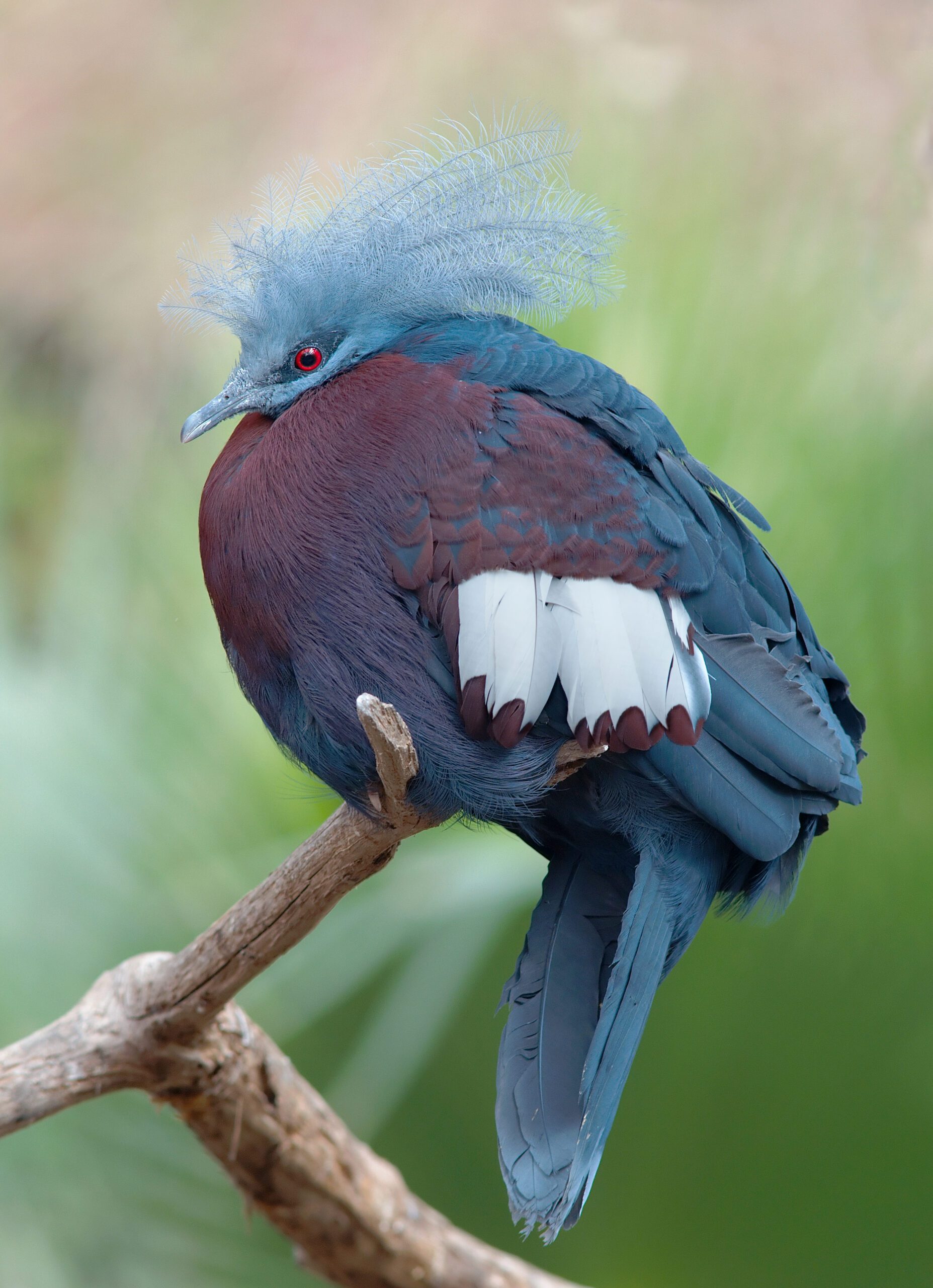
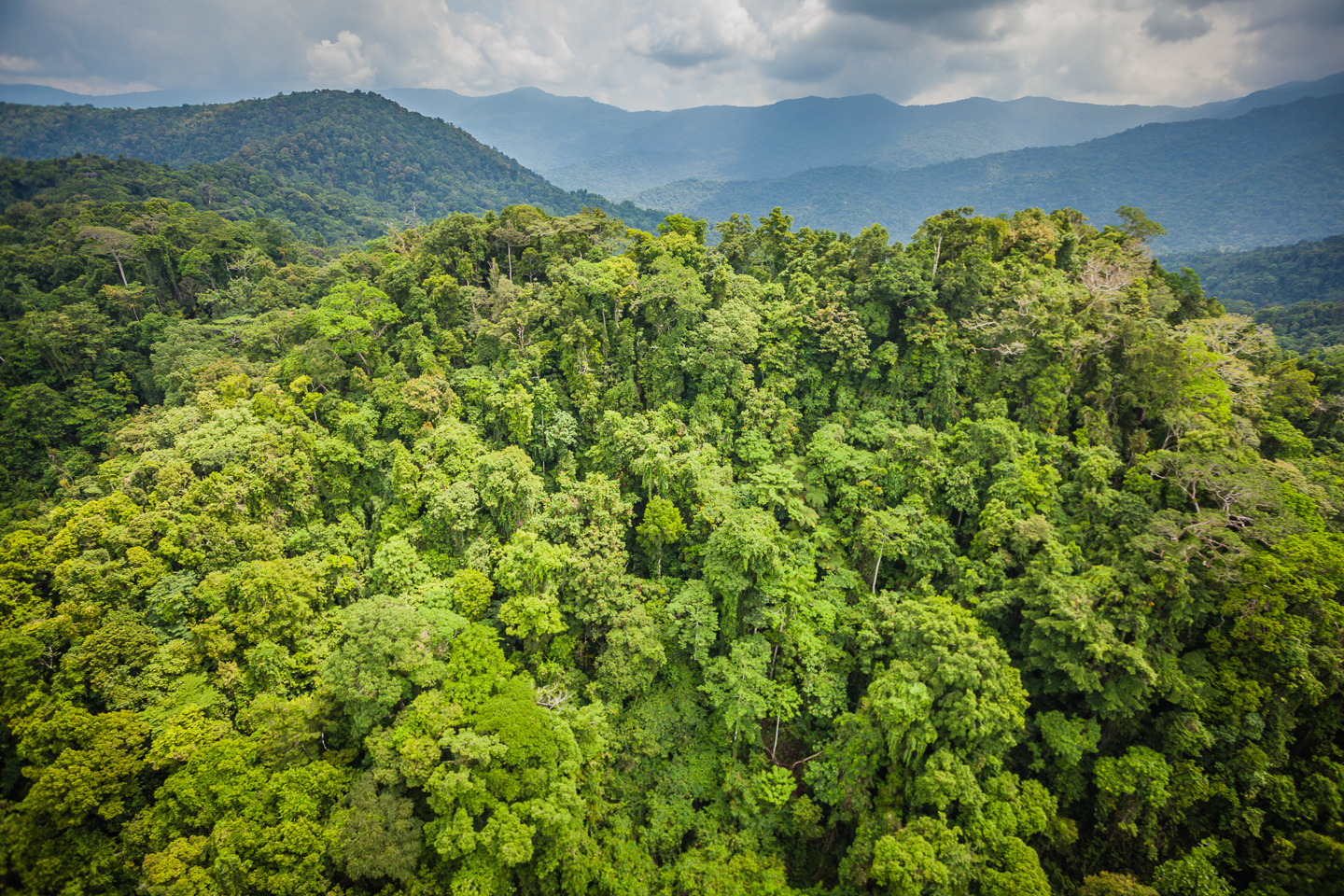
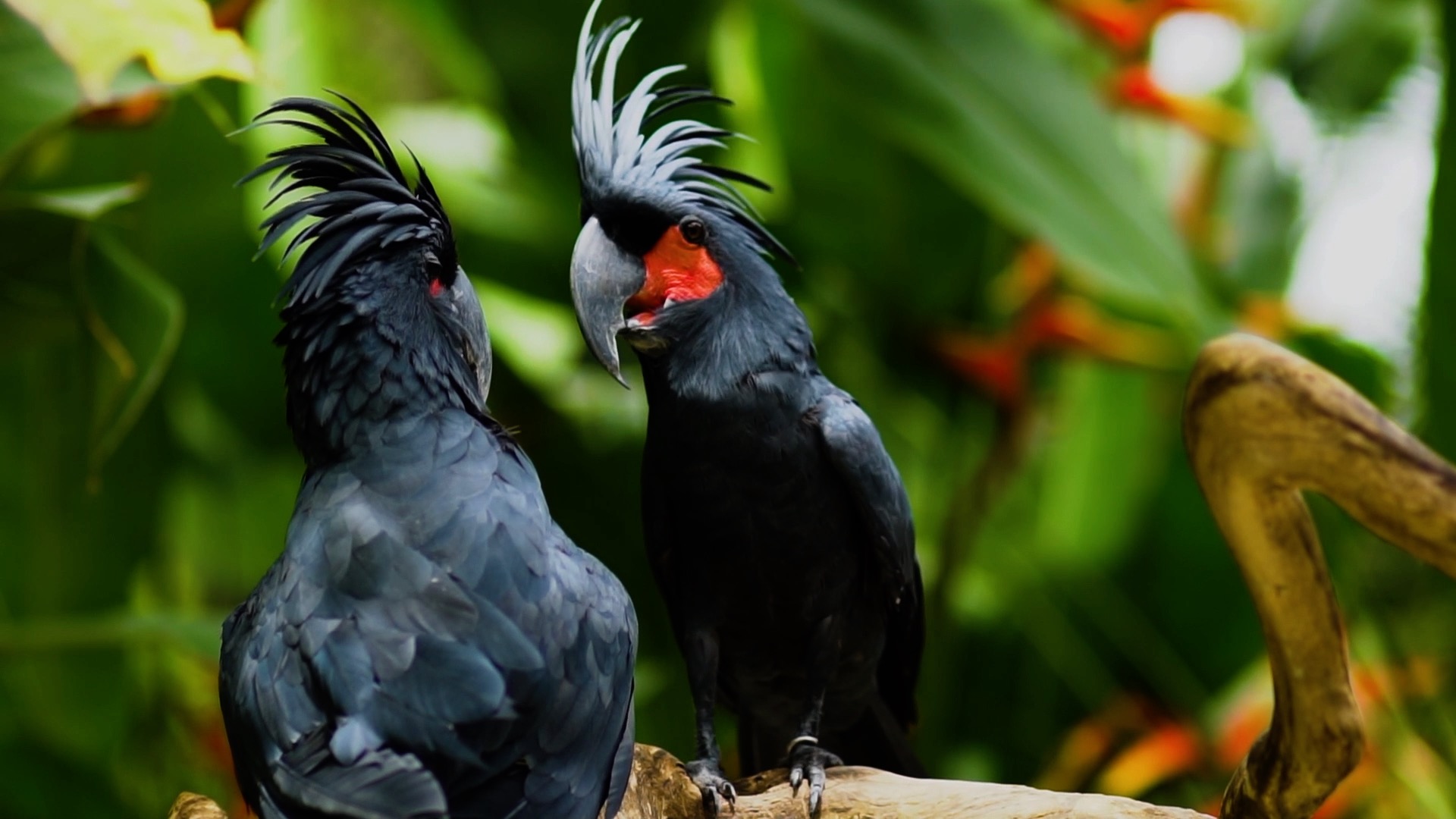
As a result of the project, 603,712ha of virgin tropical rainforest is being conserved against planned deforestation, preventing ~22.8 million tonnes of GHG emissions from being released into the atmosphere. The project also protects vital habitat for many endangered species including the palm cockatoo, the bird of paradise and the southern crowned pigeon.
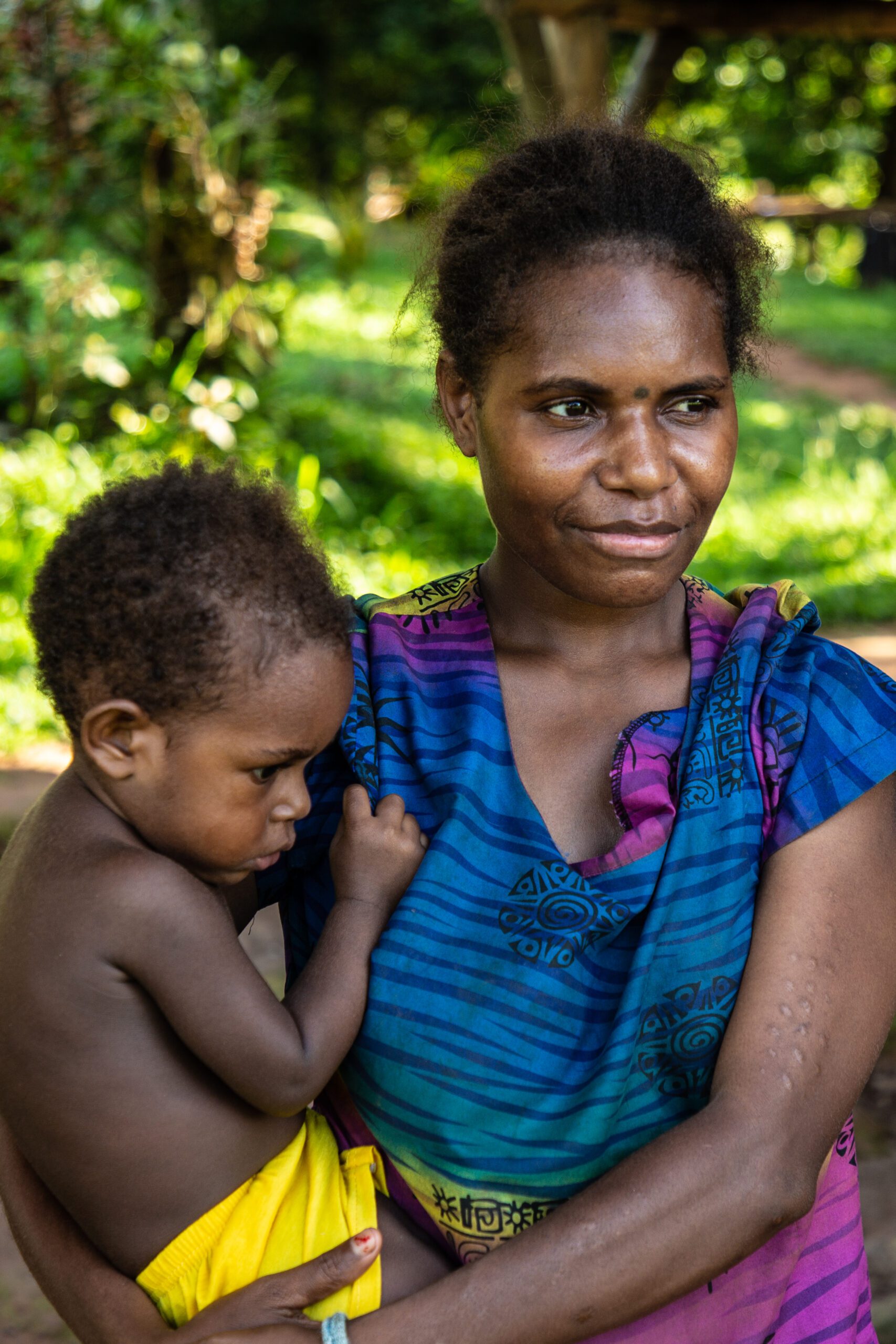
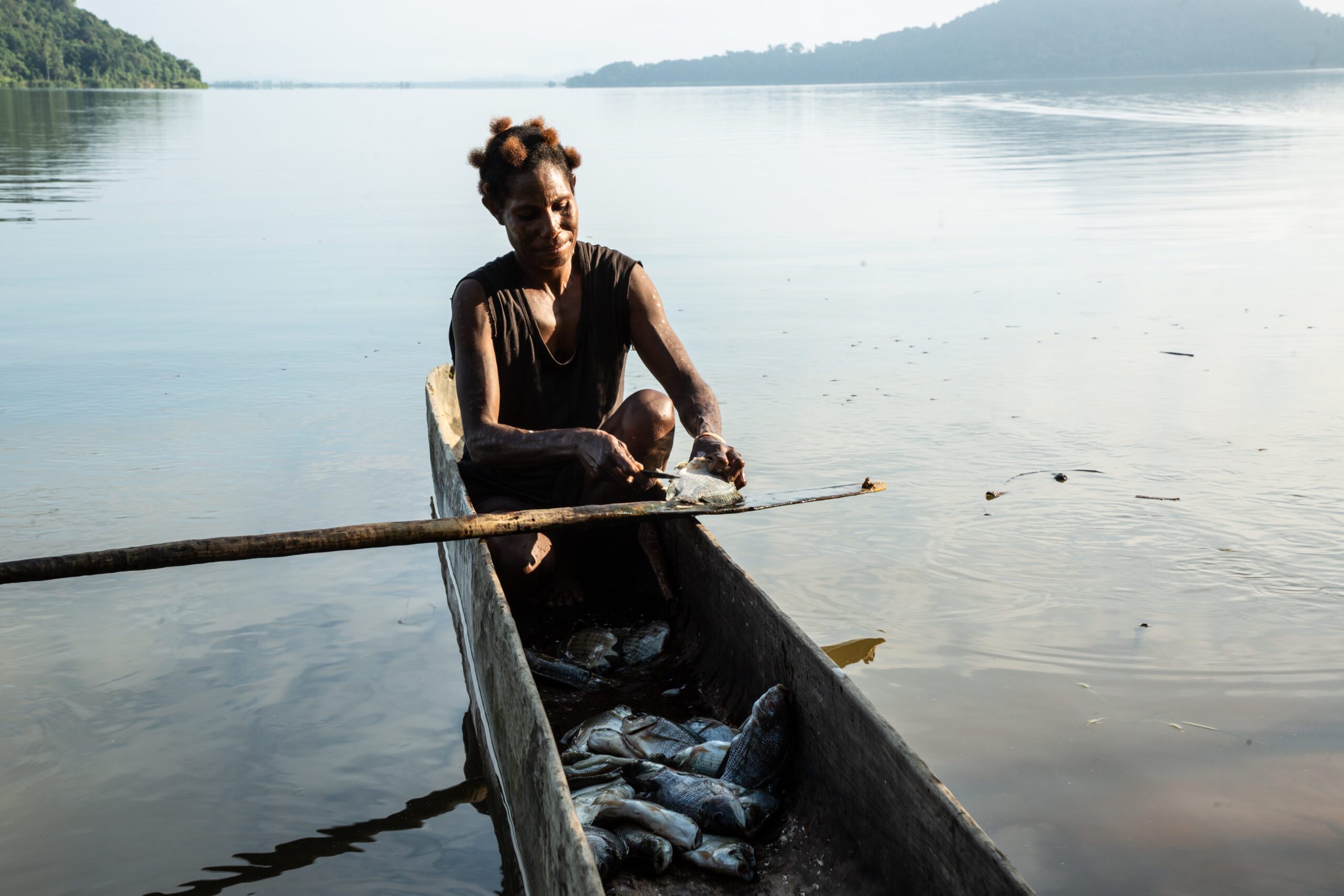
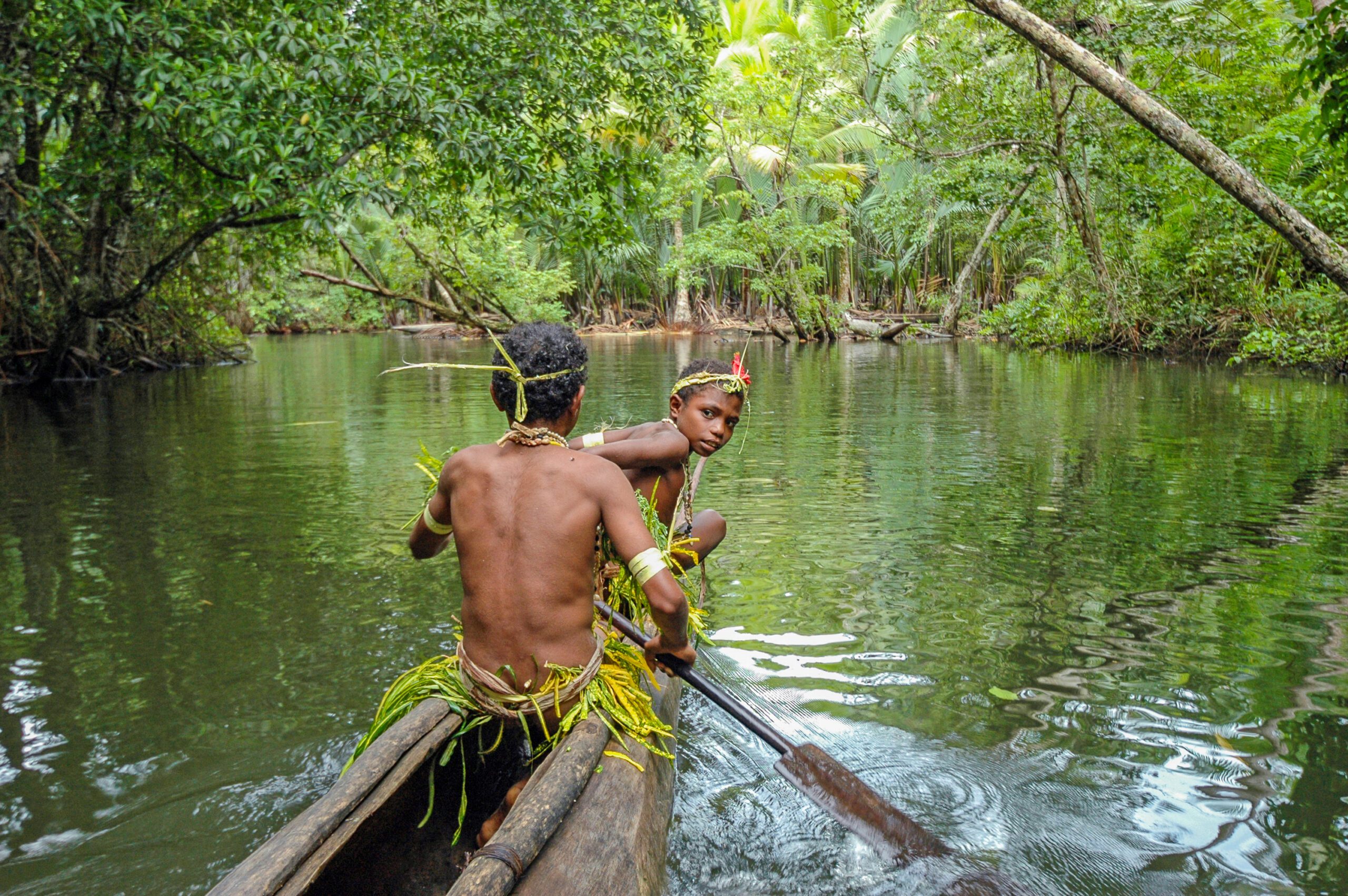
The project channels climate finance to autonomous Indigenous groups, through the conservation of one of the most ecologically distinct forest communities in the world. The project also promotes culturally inclusive, sustainable community development via an agreed Sustainable Development Plan.
Community Impact
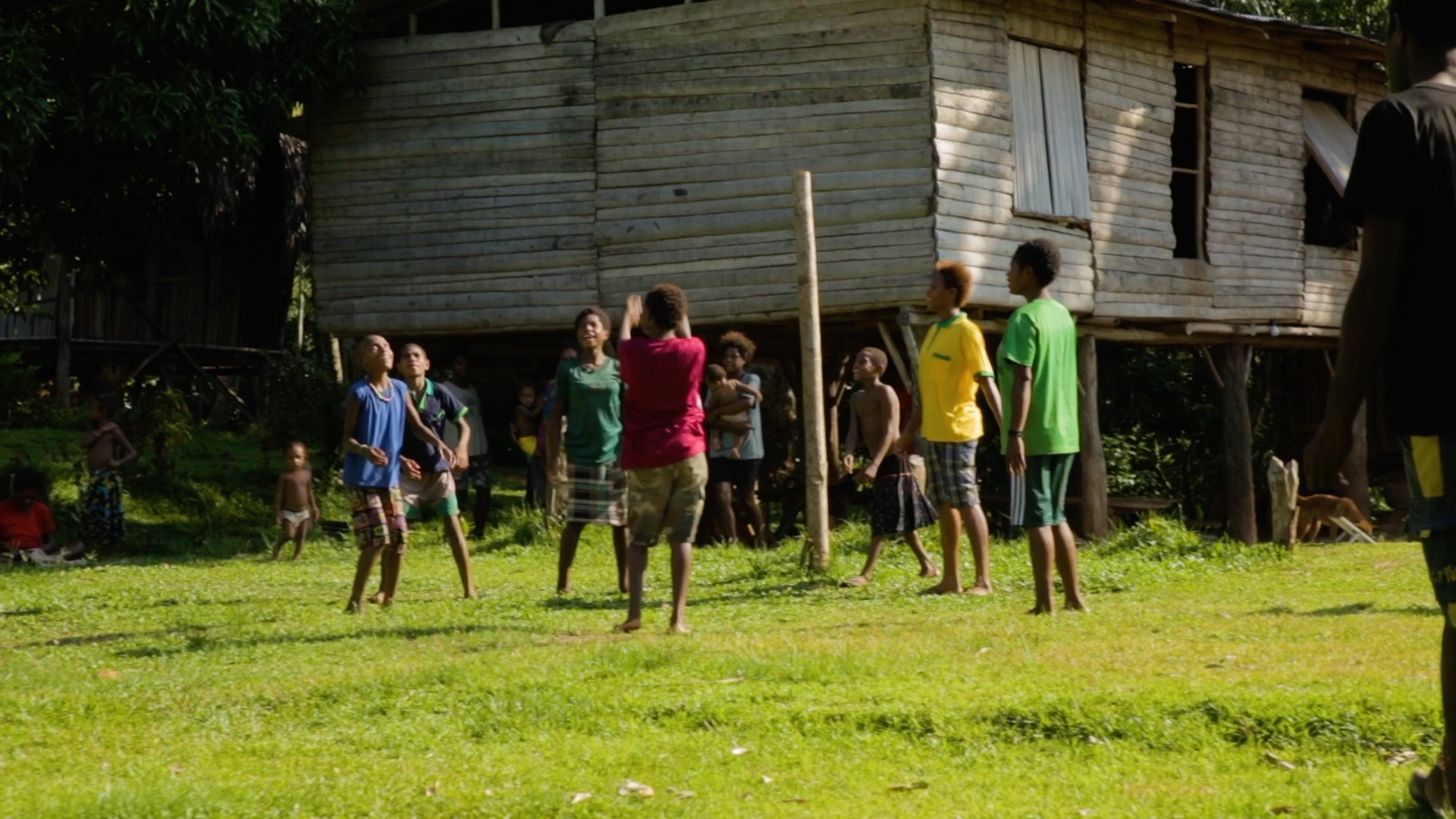
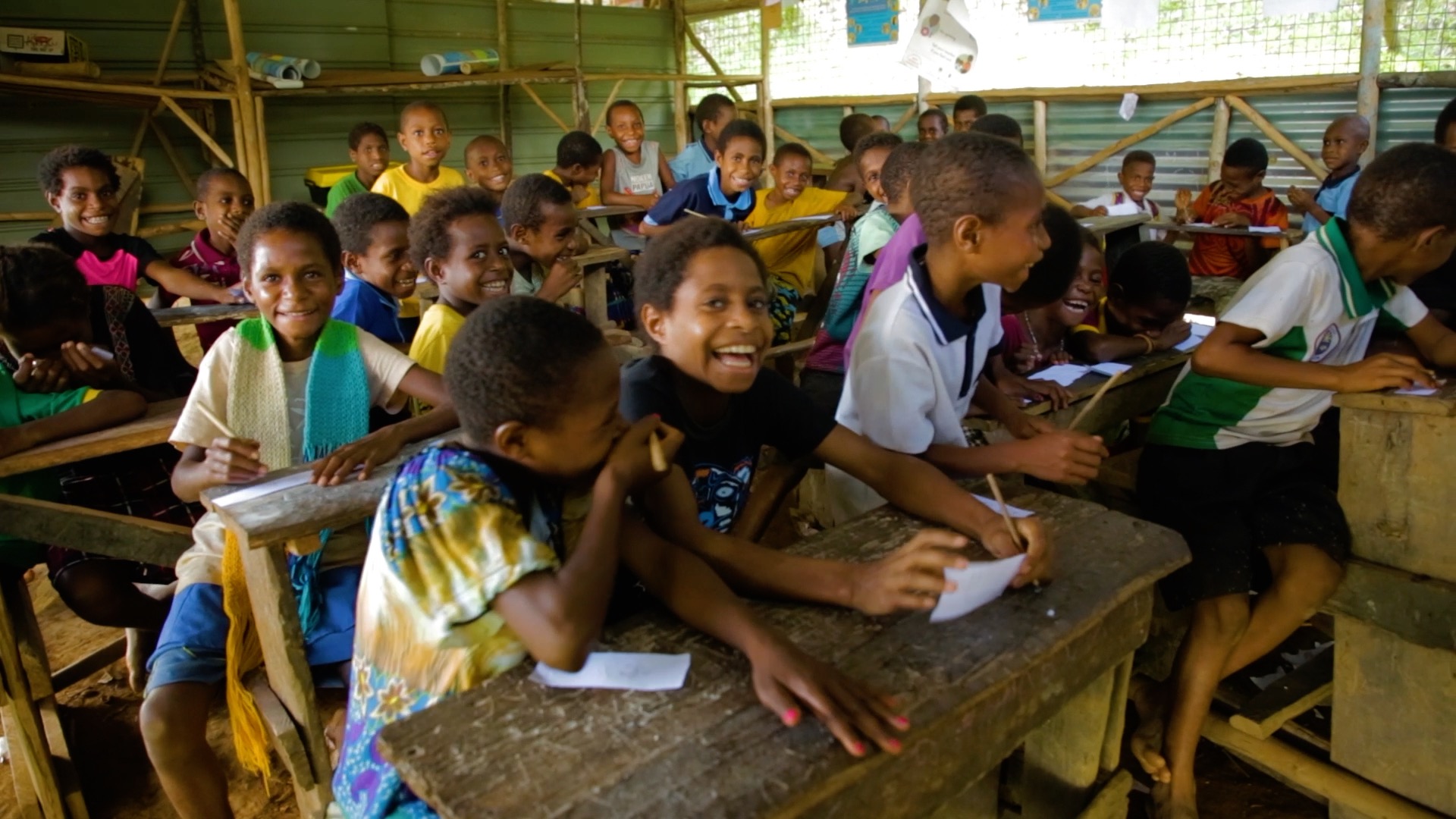
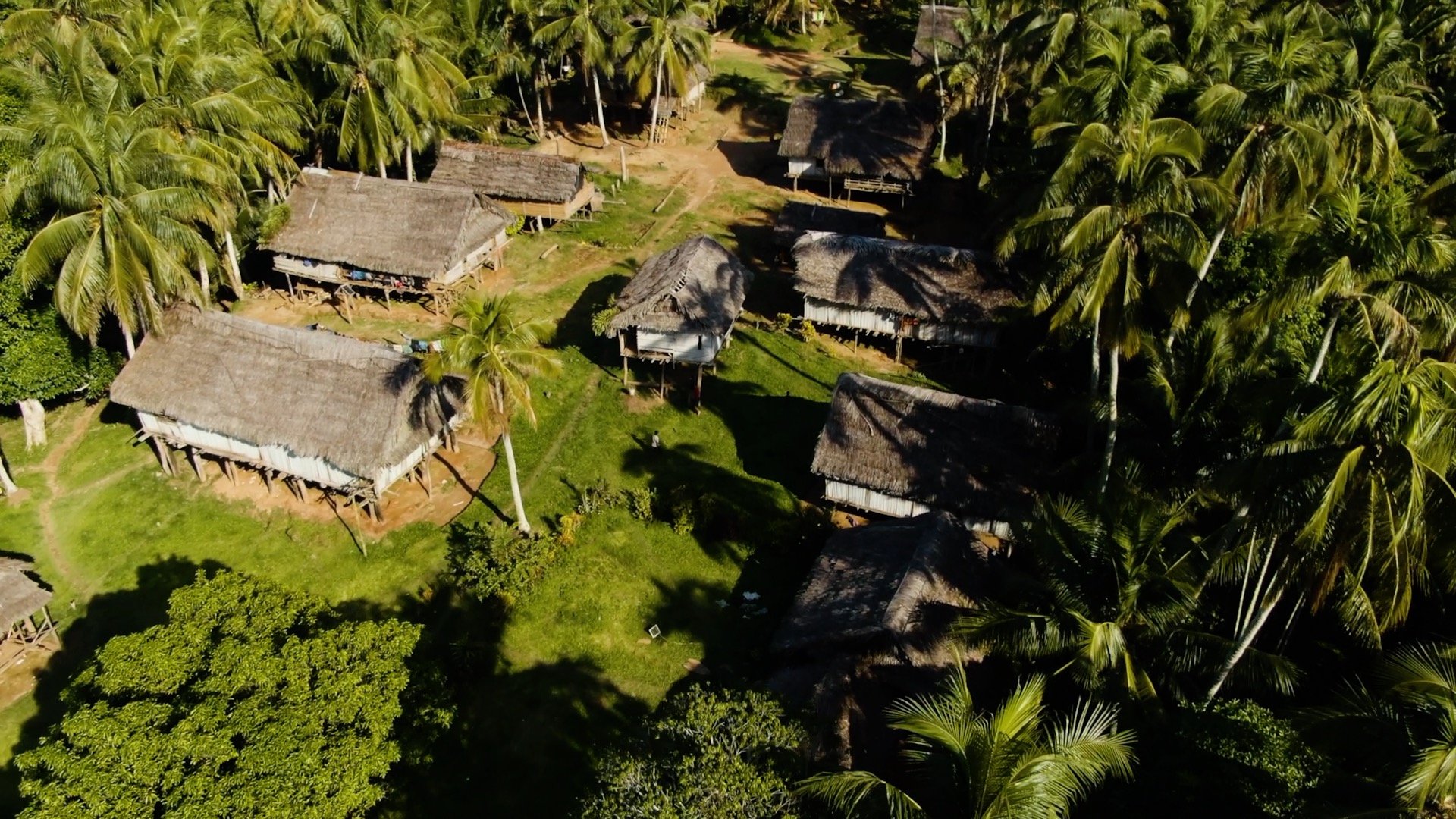
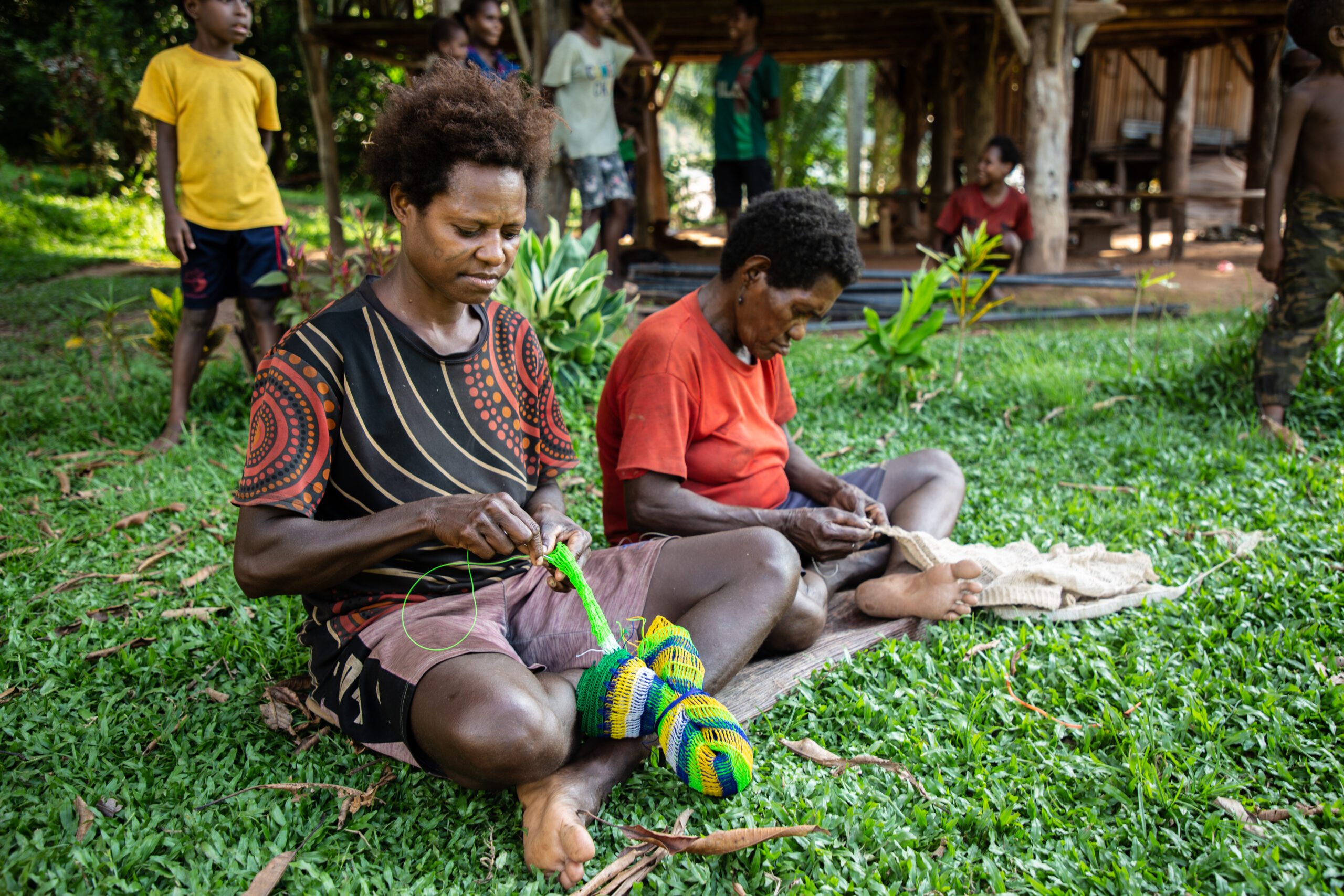
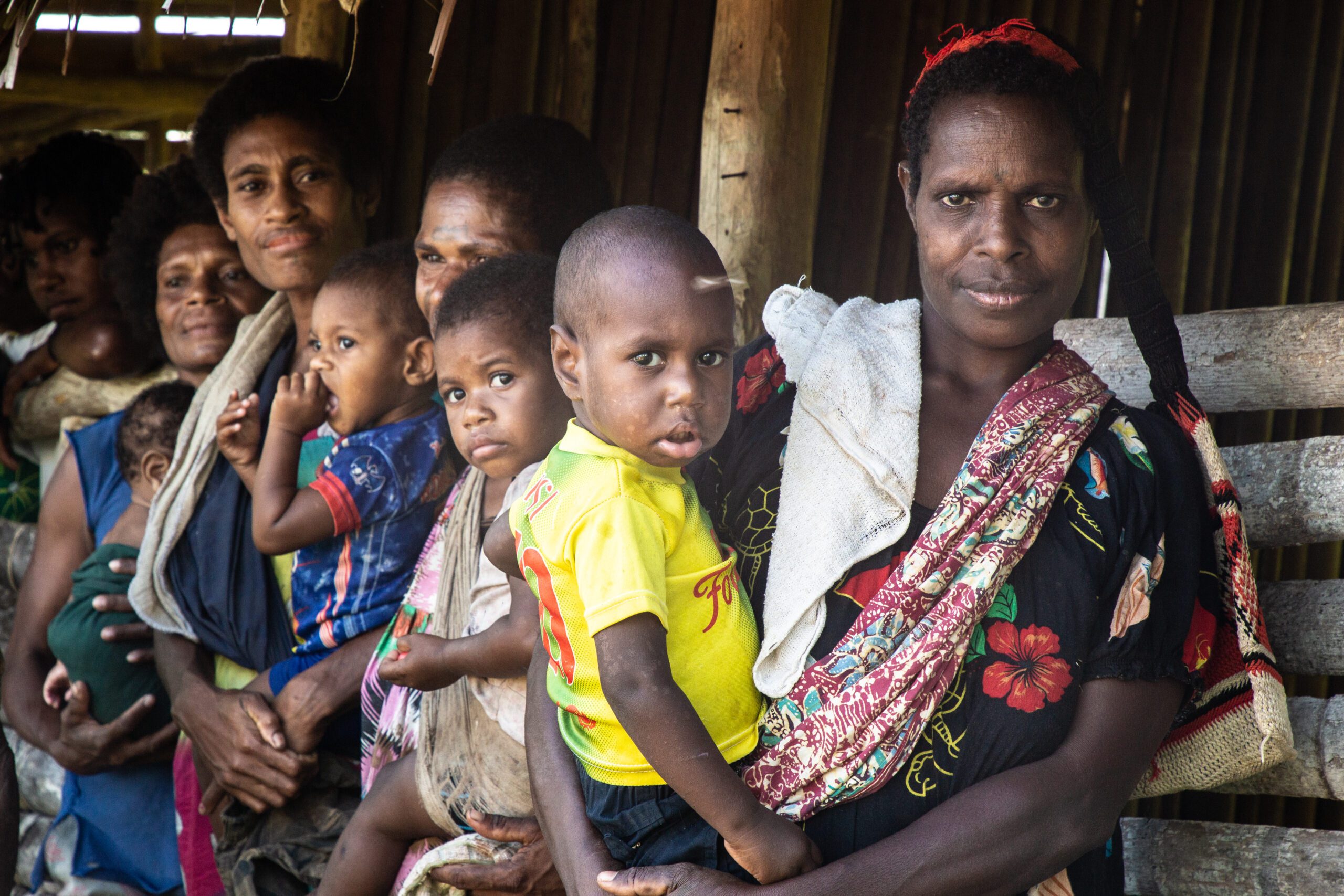
164 distinct clan groups and 15,000 indigenous people live in the project area, covered by the project's Sustainable Development Plan (SDP), due for implementation between 2026 - 2030. The SDP was developed by a team of local and international specialists, who work with local communities and stakeholders to identify a long-term suite of local investments that attend to local needs and aspirations, encompassing health, education, training, economic development (including sustainable agriculture) and local employment to support conservation and biodiversity outcomes. Previous projects to date include: Light up April Salumei 1000 Sustainable, solar powered lights provided to 30 schools, 26 health centres, aid posts, families and cultural centres Created 8 meaningful jobs Provided 6 skill development traineeships
Eagle Wood Project Employed experts in nursery management that trained representatives from each Landowner Company as forest community stewards Created 10 meaningful jobs Facilitated the planting of 10,000 trees
Biodiversity Impact
In addition to reducing carbon emissions, the project also has a range of other benefits. The project protects vital habitat for many endangered animals, including the tree kangaroo, palm cockatoo, the bird of paradise and the southern crowned pigeon.
These species are protected from the most prominent key threatening process in the region - deforestation.
The project activities deliver vital biodiversity conservation outcomes: PNG contains ~7% of global biodiversity across just 1% of the globe's landmass. April Salumei is one of the top 10 most ecologically distinct areas on the planet.
Real and Lasting Impact
Permanence: Project activities must generate permanent reductions and removals in GHG emissions. This requires that the carbon sequestered and stored within the project area will not be released due to unmitigated risk factors such as forest fires, extreme weather events, pest and disease outbreaks and land tenure disputes that result in deforestation. The project has a permanence period of at least 38 years (until 2047).
Additionality: A project is additional if the GHG emissions reductions and removals would not occur without the implementation of the project activities. In the case of April Salumei, the project area was under threat from planned commercial logging. Local communities have agreed to cancel logging permits, with revenue from carbon offsets being paid in lieu of royalties from logging.
Leakage: Leakage risks refer to risks that timber harvesting and/or land-use conversion will relocate to other areas in PNG and pertain to market effects and activity shifting.
Leakage effects due to market effects are negligible, however, they have been robustly accounted for in both the calculation of GHG reductions and in additional mitigation measures undertaken by the project proponents. Risks of activity shifting were deemed non-existent.
Sustainable development goals
This project contributes to the following United Nations Sustainable Development Goals