Product Data
Indigenous Fire Management
Australian Carbon Credit Unit (ACCU)
Australian Government Emissions Reductions Fund
Emissions Abatement through Savanna Fire Management
EOP100945, EOP100947, ERF101624, ERF102943, ERF179381, ERF106185
2022, 2023, 2024, 2025
1: No Poverty
2: Zero Hunger
3: Good Health and Well-Being
4: Quality Education
5: Gender Equality
8: Decent Work and Economic Growth
11: Sustainable Cities and Communities
13: Climate Action
15: Life on Land
17: Partnership for the Goals
Project Details
Why we support this project
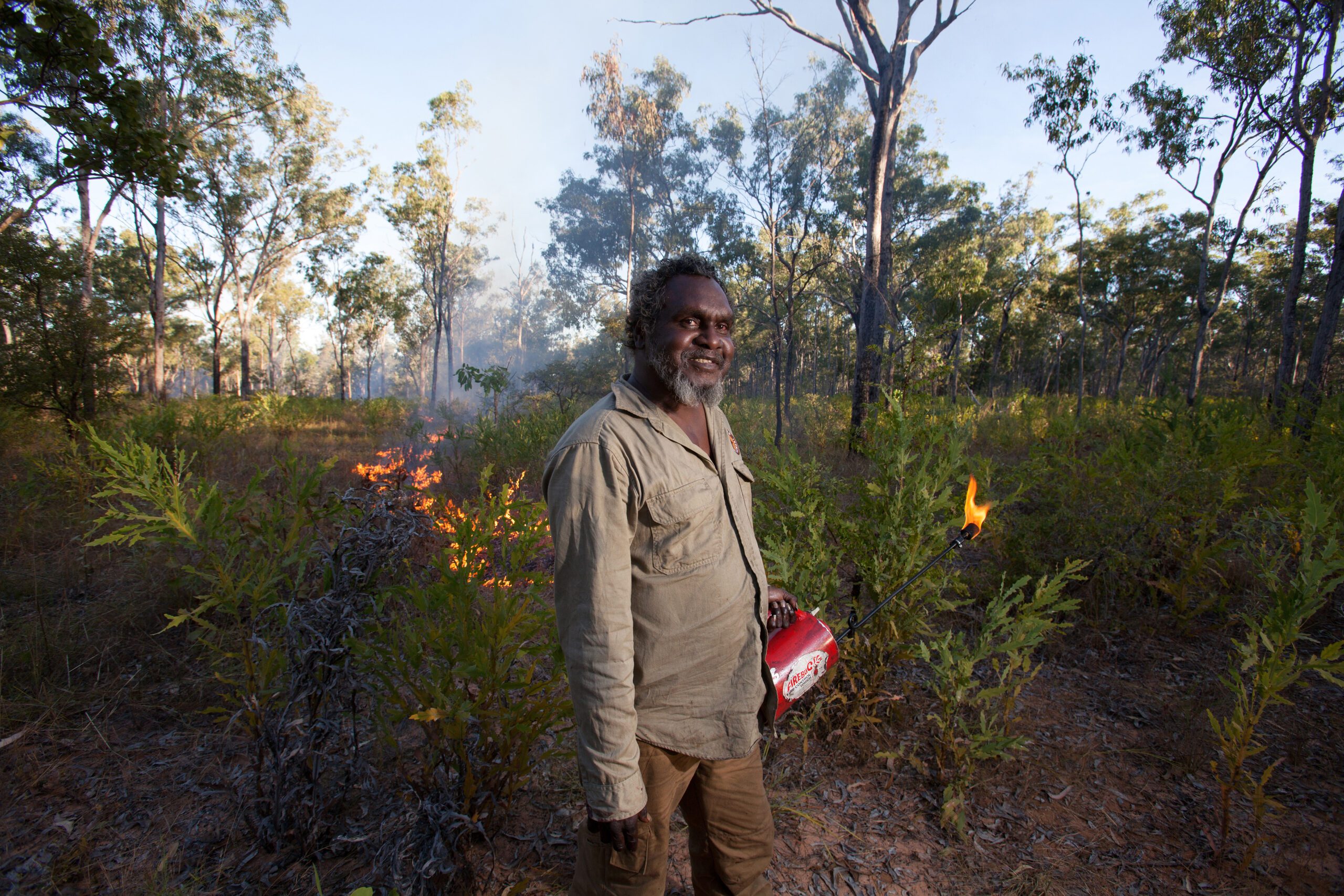
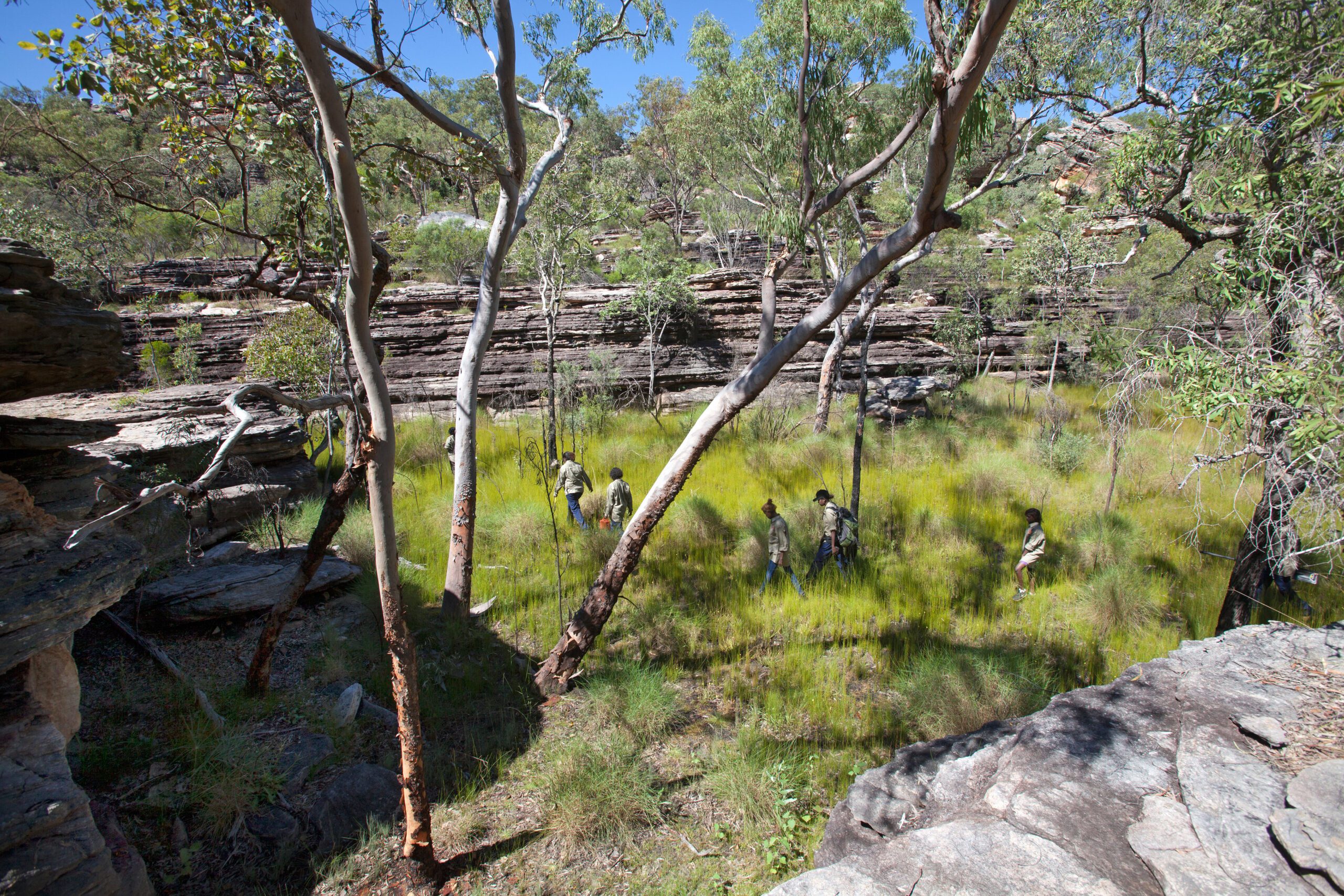
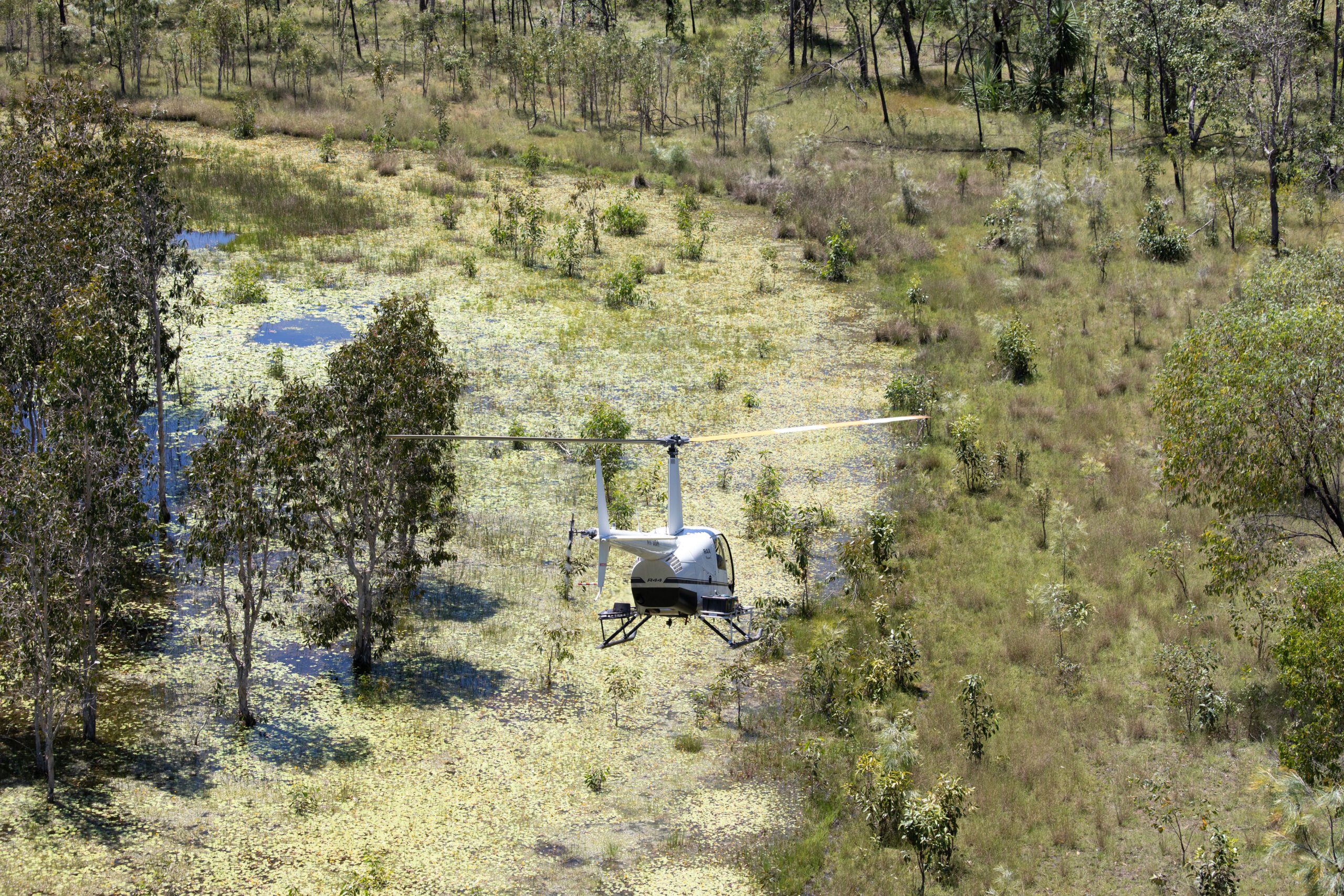
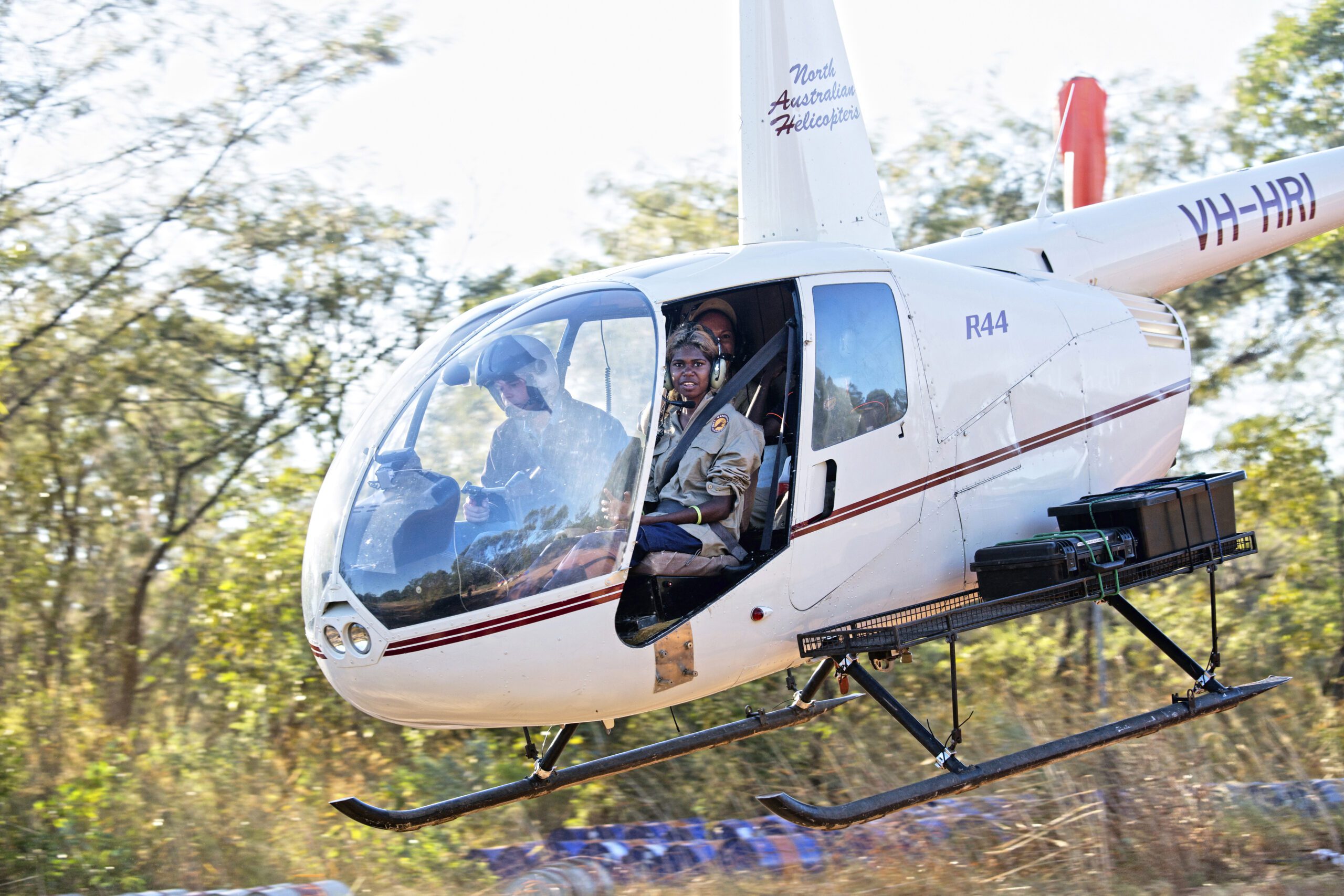
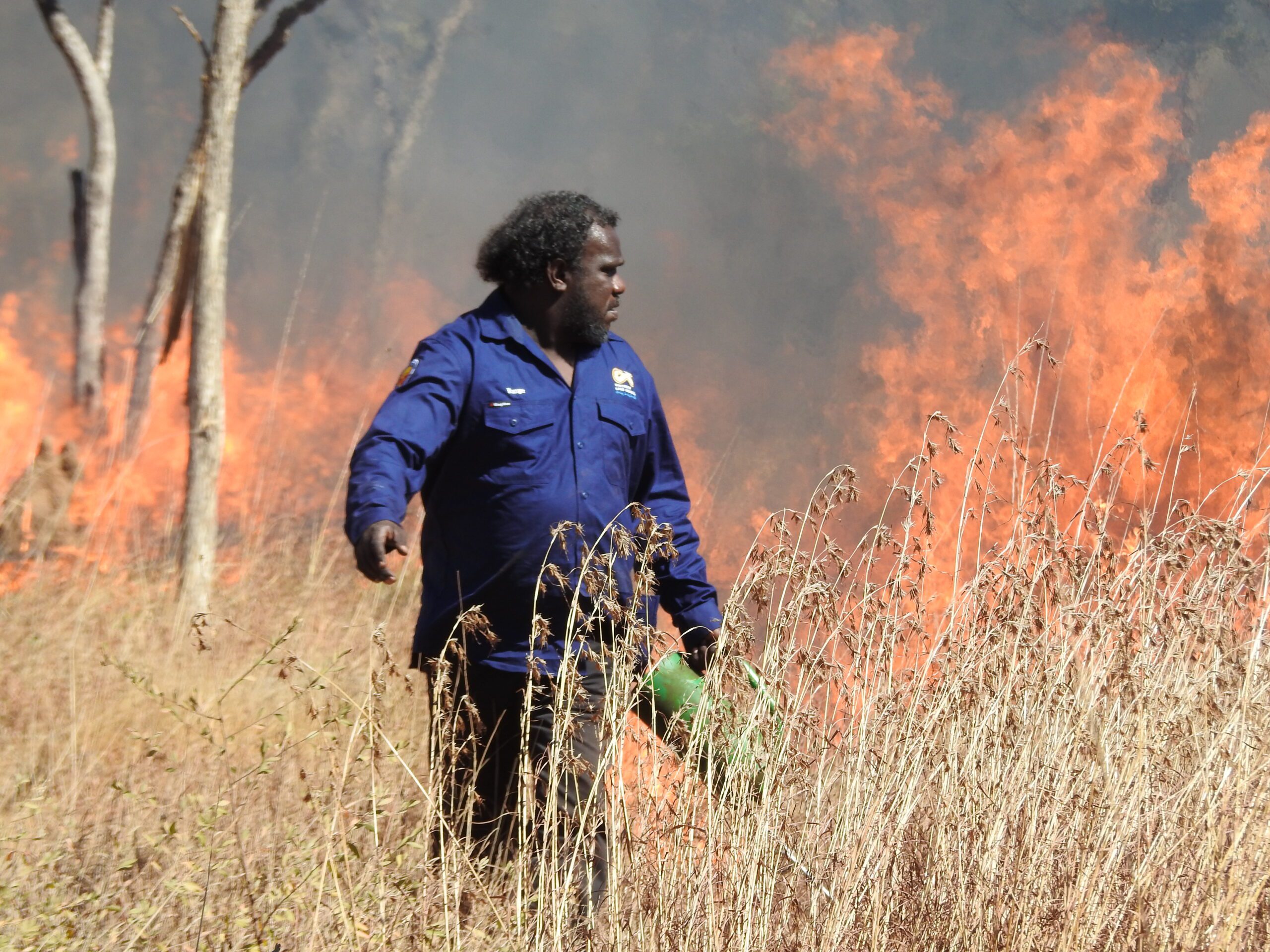
Arnhem Land’s vast savanna is one of the world’s most fire-prone landscapes. Left unchecked, large late dry-season fires can occur, releasing millions of tonnes of carbon and causing significant damage to important cultural sites and habitats. ALFA turns that story around. Drawing on 60,000 years of Indigenous knowledge, its 11 Aboriginal ranger groups conduct cool, early-season burns to lay a mosaic of natural firebreaks across 86,000 km²—an area larger than Tasmania—dramatically reducing the scale and intensity of wildfires.
Supporting ALFA credits does far more than cut emissions: it fuels self-determination, safeguards culturally and ecologically significant sites, and keeps Country healthy for generations to come. ALFA is a registered charity under the Australian Charities and Non-for-profit Commission and 100% Indigenous owned and operated.
Who we work with
Arnhem Land Fire Abatement (ALFA) is an Aboriginal-owned, not-for-profit carbon farming organisation established in 2015 by Traditional Owners from Arnhem Land. ALFA was a critical advisor in the development of the savanna fire management method and has consequently enabled the utilisation of ancient fire knowledge in tandem with modern technology to create a key environmental solution at a local, national and global scale.
TEM and ALFA have established a trusted relationship over six years and TEM is the key channel to market for voluntary ALFA carbon credits.
Community Impact
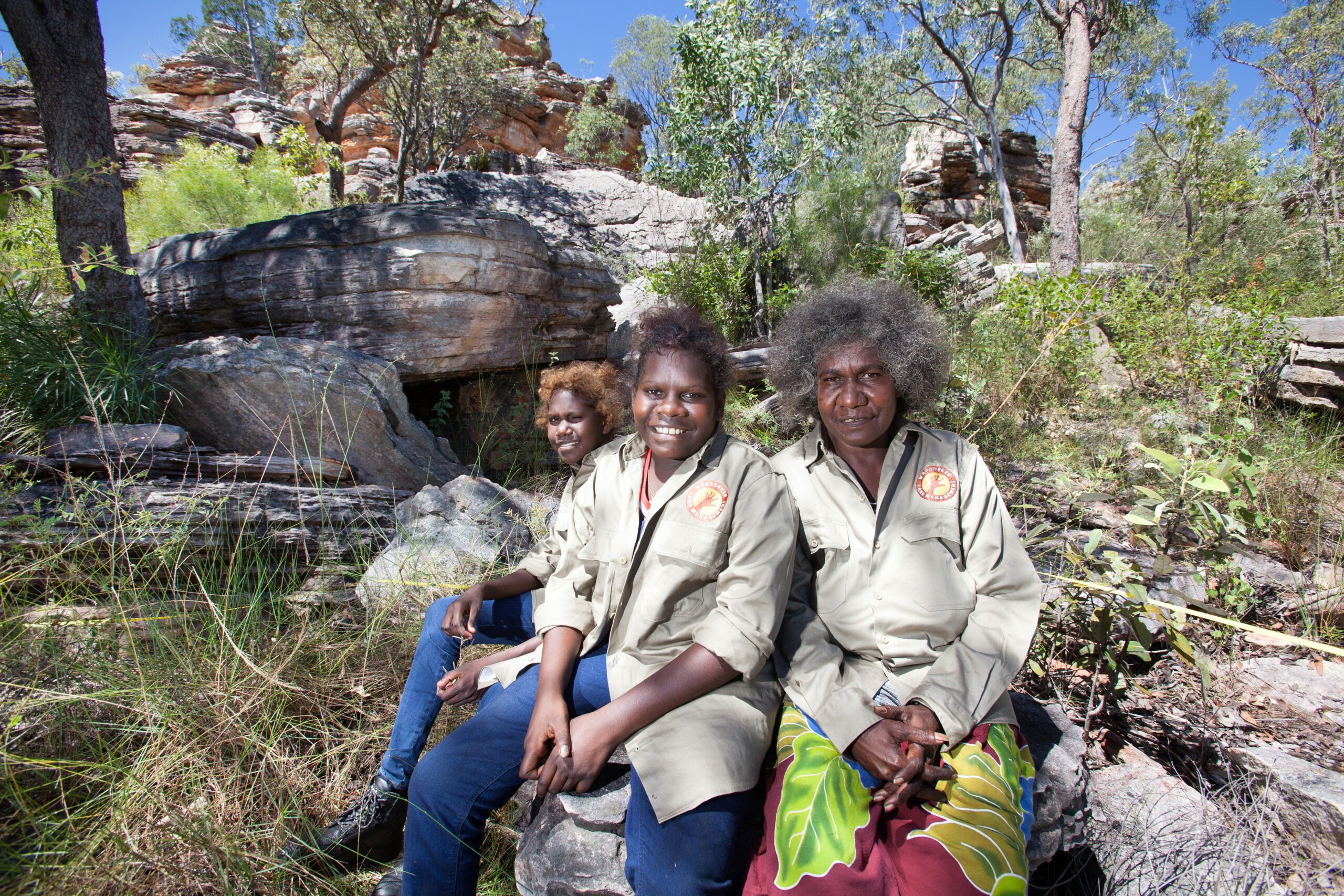
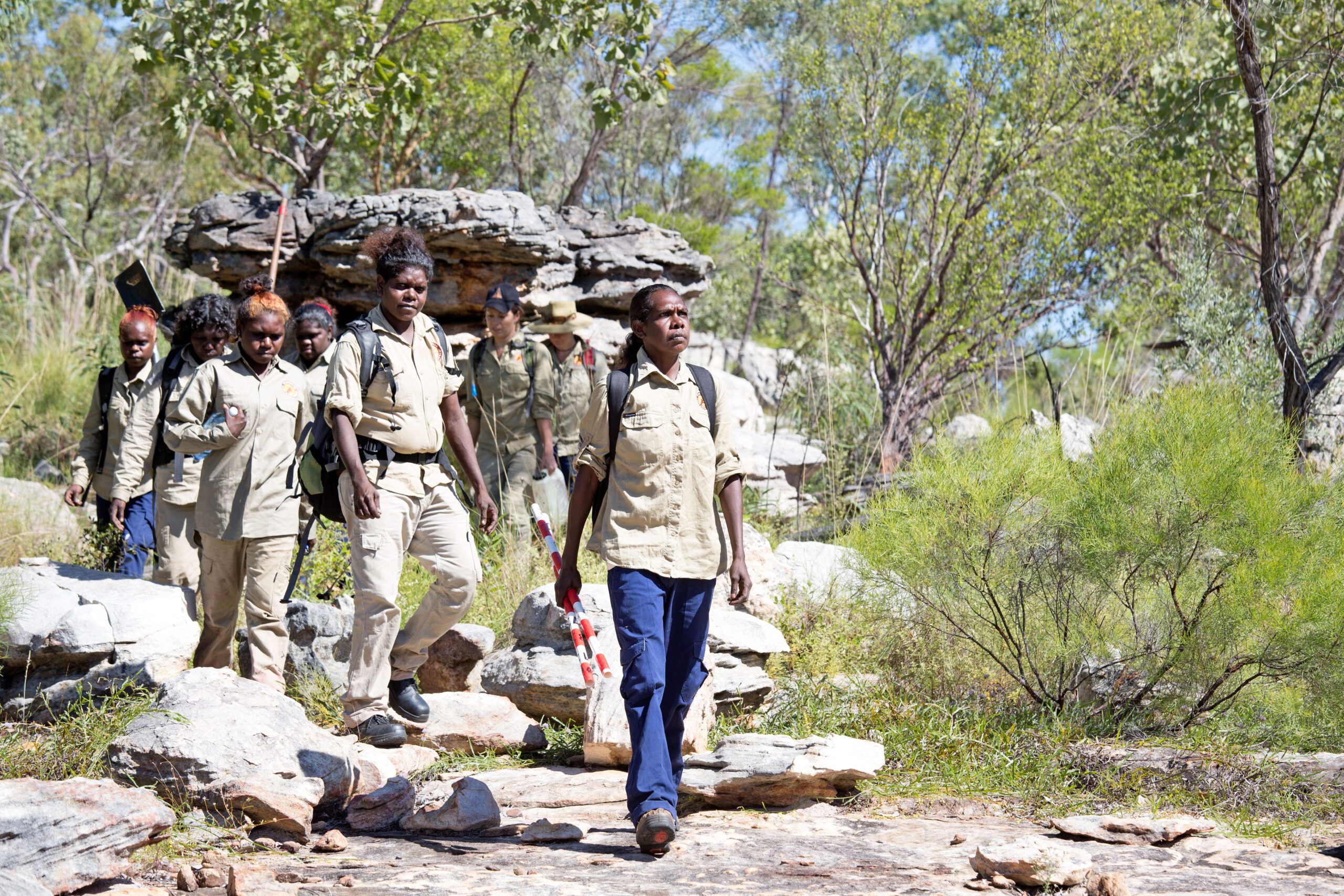
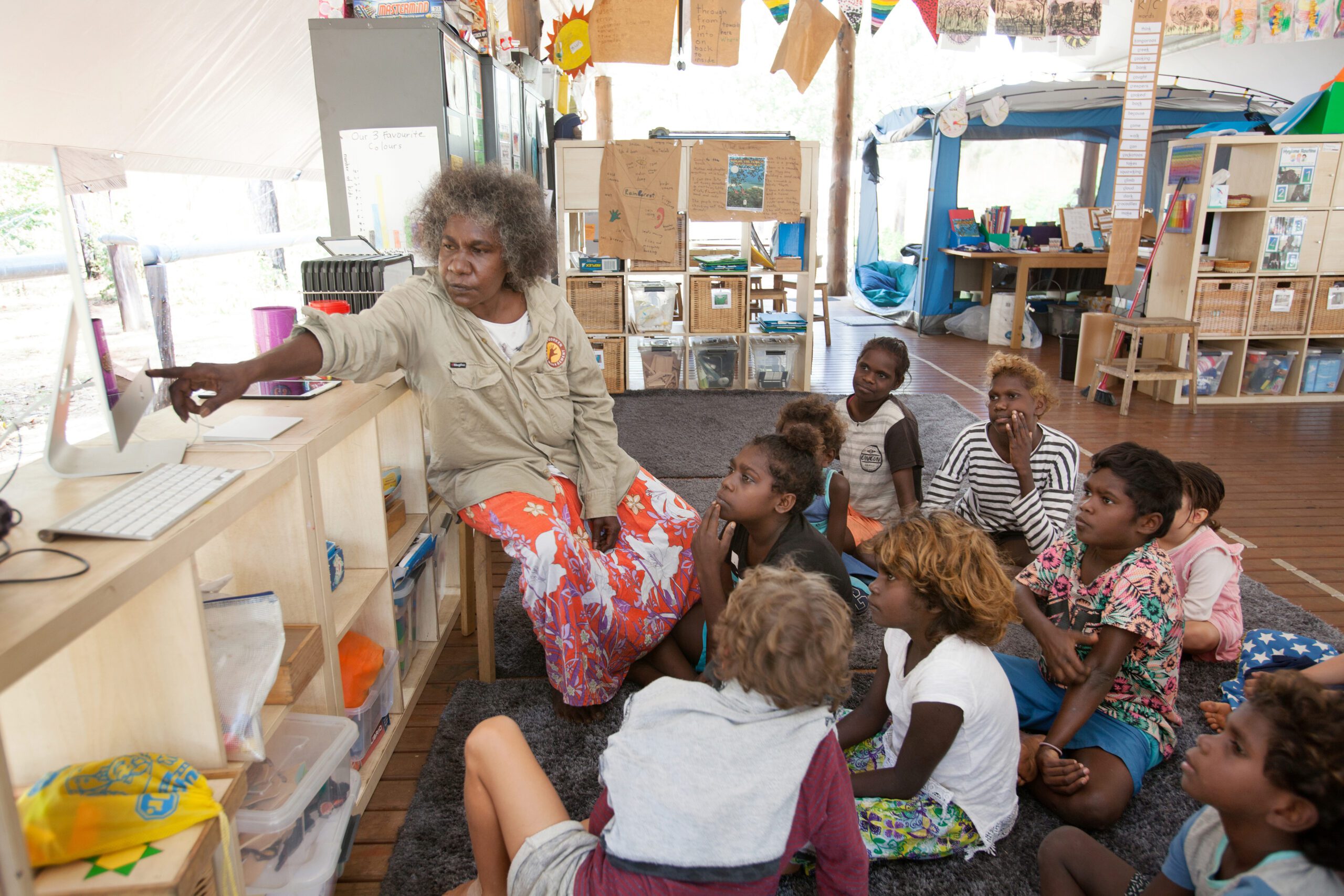
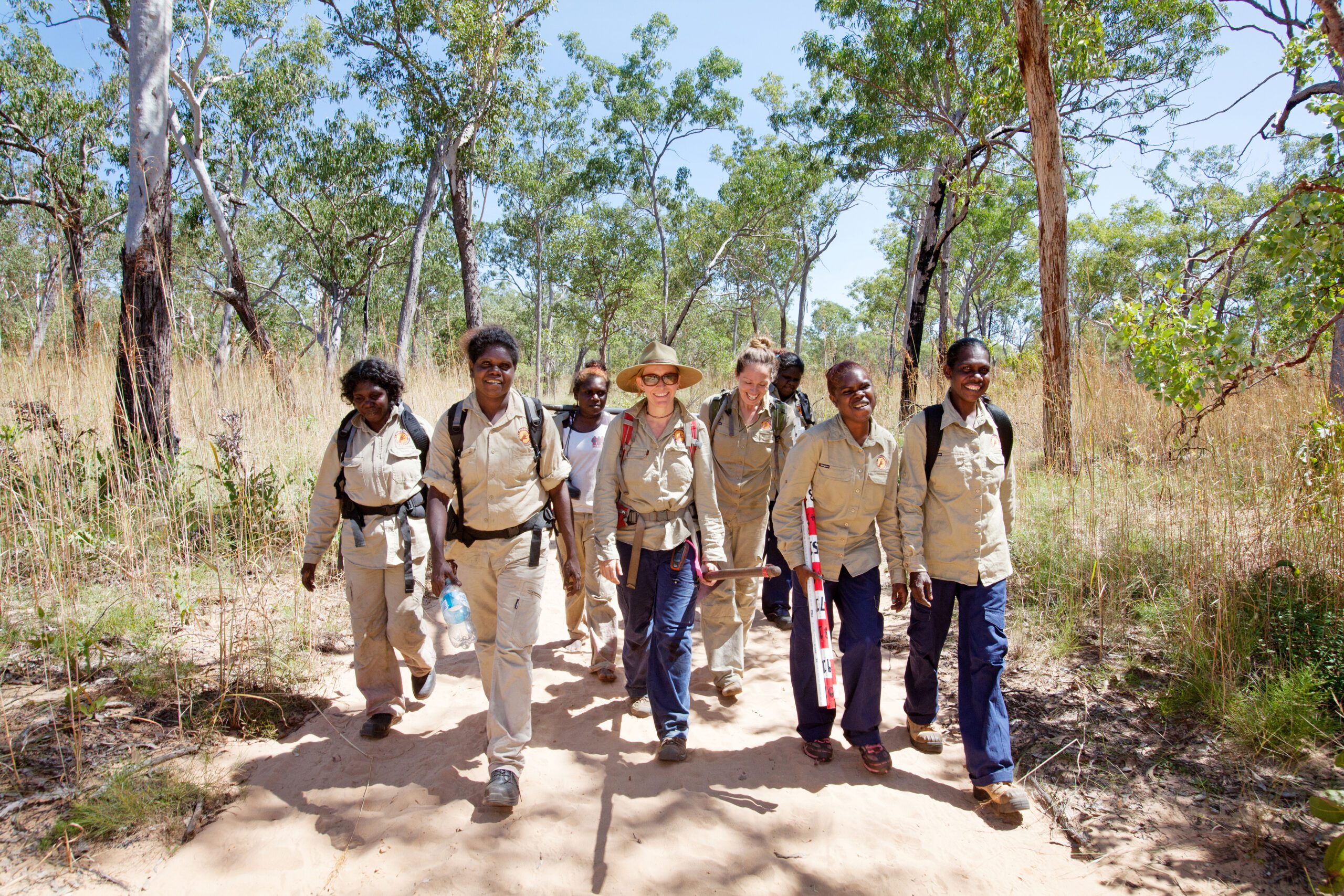
The projects have profound impacts on local community by providing employment and training opportunities for local rangers while supporting Aboriginal people in returning to, remaining on, and managing their Country.
- Revenue stays on Country – Up to 95 % of all income is reinvested through partner Aboriginal ranger groups, maximising local benefit while keeping overheads minimal.
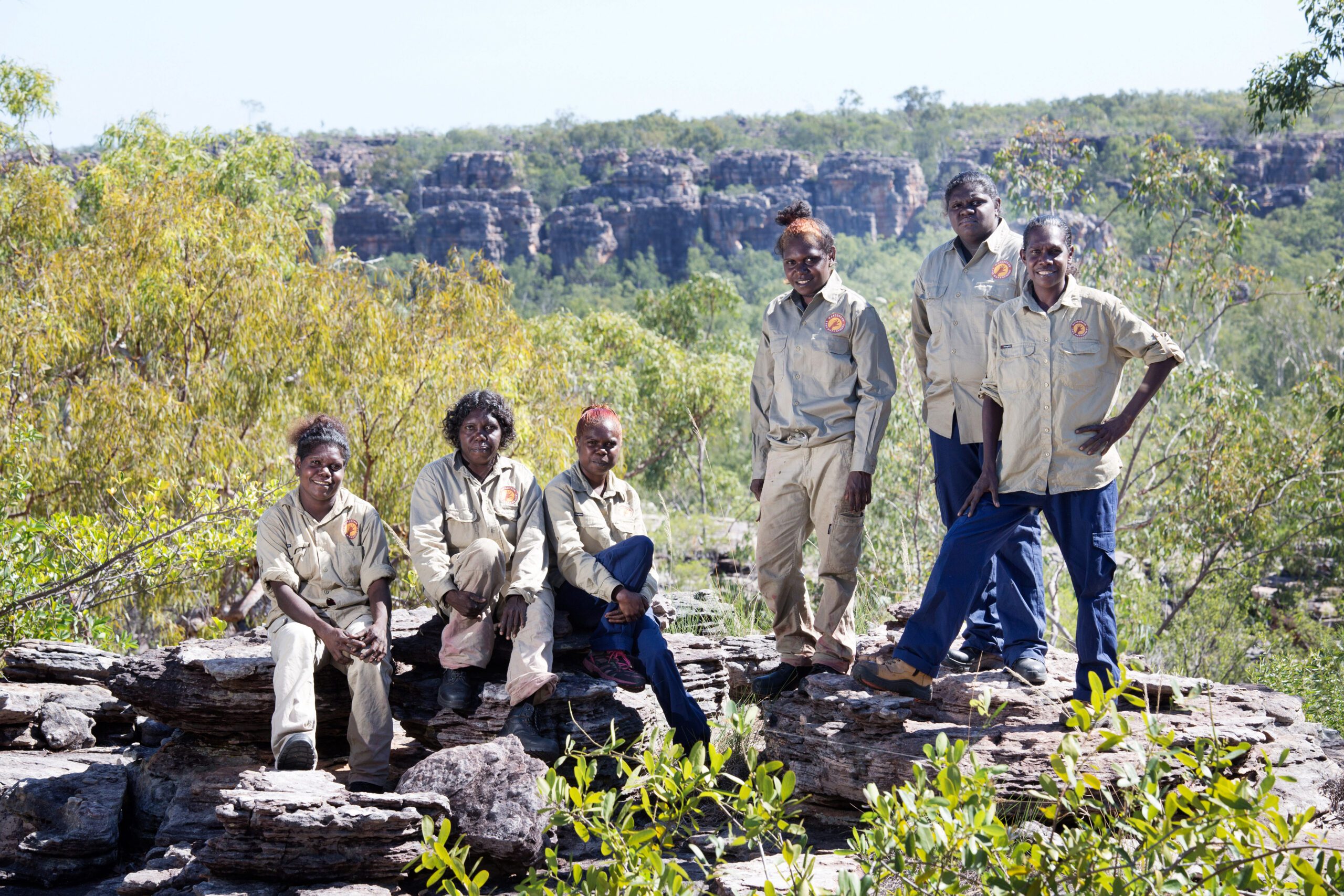
- Meaningful jobs & training – Ranger programs create sought-after employment in remote regions and now include a dedicated women’s ranger teams, with more women joining fire operations every year.
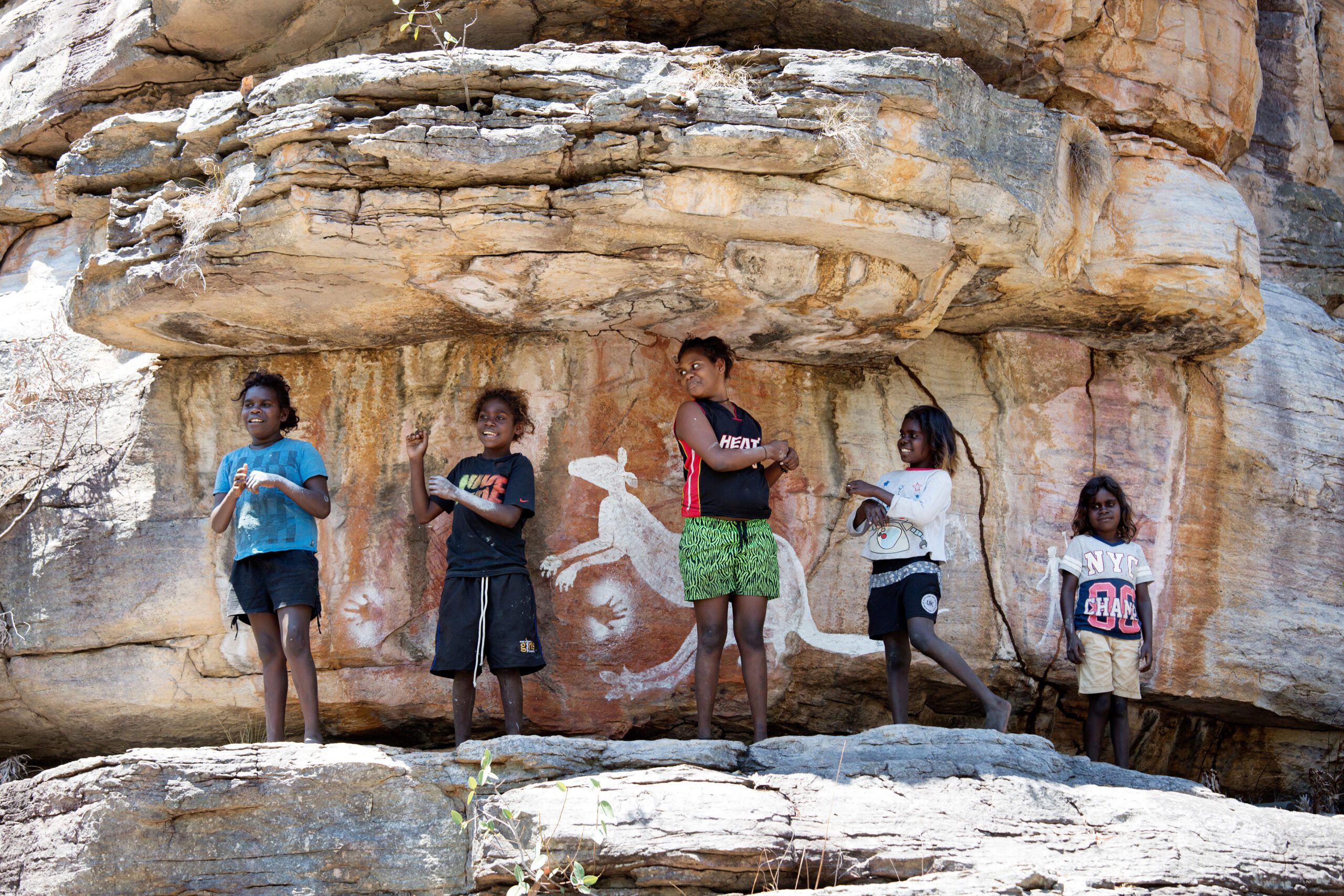
- Cultural resilience – Controlled burning reconnects people to Country, supports language and knowledge transfer, and enables elders to teach younger generations traditional land-management practices.
Real and Lasting Impact
Permanence: The projects provide employment and training opportunities for local rangers while supporting Aboriginal people in returning to, remaining on and managing their country. Communities are supported in the preservation and transfer of knowledge, the maintenance of Aboriginal languages and the wellbeing of traditional custodians.
Additionality: A project is additional if the GHG emissions reductions would not occur without the intervention of the project activities in accordance with the registered project. Savanna fire management activities for the primary purpose of emissions reductions are not required under local, state or law. Further, the application of landscape-scale strategic early dry season fire management is highly resource-intensive, incurring substantial costs. Despite the myriad of benefits that flow from the activities in ALFA (Arnhem Land Fire Abatement Projects) areas, they would not occur in the absence of the registered project. Therefore, the project GHG emissions reductions are additional.
Leakage: In the context of savanna fire management projects, leakage refers to the risk that emissions reductions in the project area will generate increased emissions outside the project area. There are no leakage risks associated with ALFA projects. Conducting savanna fire management activities in a project area does not increase the risk of high-emissions wildfire in other areas, and/or displace savanna fire management activities in nearby landscapes.
Sustainable development goals
The project meets the following United Nations Sustainable Development Goals:

Downloads
Fire Map
The project area before and after the introduction of traditional fire management.